
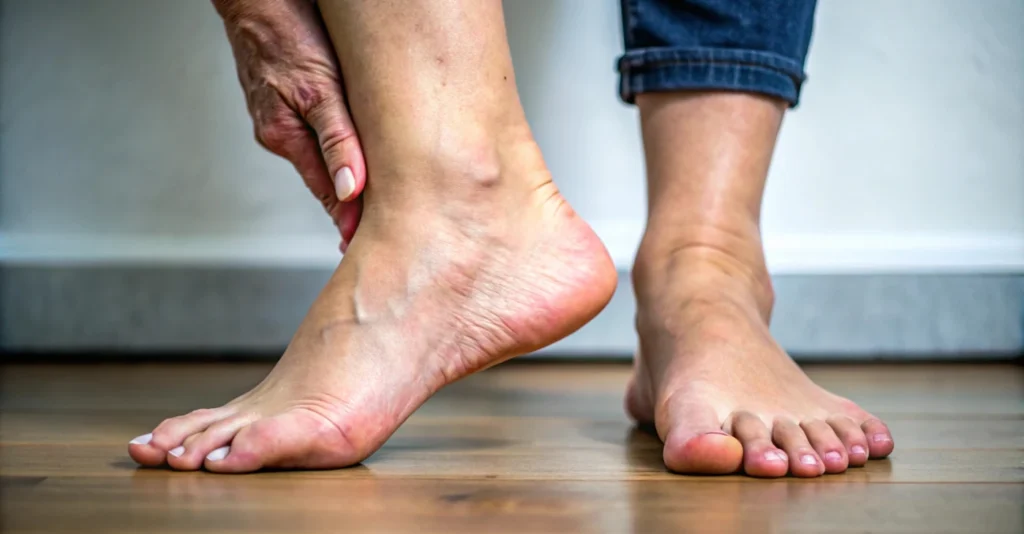
Swelling in the feet can be uncomfortable, painful, and sometimes alarming. What Is The Cause Of Swelling In The Feet? is a question many people ask when they notice a swollen right foot, a left foot swelling up, or puffy pockets around the ankles. While occasional swelling might be harmless, persistent or severe swelling could indicate an underlying health issue that needs attention.
At our emergency room in Pasadena, we frequently treat patients worried about swollen feet and ankles. Understanding why feet swell, the symptoms to watch for, and when to seek medical care is essential. This guide will help you recognize the signs and make informed decisions about your health.
What Causes Feet to Swell?
Feet swelling, also known as edema, happens when excess fluid collects in the tissues of your lower limbs. It can result from lifestyle factors, medical conditions, medications, or environmental influences like heat. Swelling in feet can affect one or both feet and may be temporary or persistent depending on the cause.
Symptoms
- Swollen feet or ankles.
- Legs or feet feel heavy or fatigued.
- Puffy areas around ankles.
- Skin appears tight or shiny.
- Mild discomfort or tenderness.
Injury or Trauma
Foot, ankle, or leg injuries can trigger swelling as the body sends extra fluid to aid healing. Sprains, fractures, or minor bruises cause localized inflammation and fluid retention. Athletes or older adults prone to falls are more likely to experience injury-related swelling. Severe injuries may sometimes lead to complications such as hematomas or joint instability if not properly monitored.
Symptoms
- Pain or tenderness in the injured area.
- Swelling near the injury site.
- Bruising or redness.
- Difficulty bearing weight or walking.
Prolonged Standing or Sitting
Long periods of standing or sitting can make it harder for blood to return to the heart, leading to fluid pooling in the feet and ankles. Sedentary workers, cashiers, and frequent travelers are particularly susceptible. Over time, repeated episodes can contribute to vein problems like varicose veins and increase the risk of chronic venous insufficiency.
Symptoms
- Swelling that worsens by evening.
- Aching or tired legs.
- Relief when feet are elevated.
- Stiffness in the lower legs.
Heart, Liver, or Kidney Conditions
Swelling in both feet and ankles may indicate serious underlying health problems, including congestive heart failure, liver cirrhosis, or kidney disease. These conditions disrupt normal fluid balance, leading to persistent edema. People with chronic diseases or advanced age are most affected, and long-term swelling may signal worsening organ function if left untreated.
Symptoms
- Both feet and ankles swell simultaneously.
- Fatigue or shortness of breath.
- Gradually worsening swelling.
- Sudden weight gain from fluid retention.
Medications
Certain medications, including steroids, calcium channel blockers, or hormone therapy, can cause fluid retention and swelling in the feet and ankles. People taking multiple medications or long-term therapy are more prone. Swelling from medications may appear gradually and can sometimes mimic symptoms of underlying health conditions, making it important for clinicians to review patient history carefully.
Symptoms
- Swelling begins after starting medication.
- Mild to moderate swelling in feet and ankles.
- Puffy appearance around joints.
- Occasional mild discomfort.
Weather and Heat
Hot weather causes blood vessels to expand, which can allow fluid to leak into surrounding tissues and cause temporary swelling in the feet and ankles. Individuals living in warm climates or those exposed to high temperatures for long periods are most affected. Repeated exposure may exacerbate underlying circulation issues and make the feet more prone to edema over time.
Symptoms
- Swelling is worse during hot days.
- Heaviness or fatigue in legs.
- Puffy pockets around ankles.
- Improvement with cool compress or leg elevation.
Venous Insufficiency (Poor Circulation)
Venous insufficiency occurs when the veins in the legs fail to efficiently return blood to the heart, causing fluid to pool in the lower extremities. Untreated venous insufficiency can lead to chronic swelling, skin changes, and in severe cases, venous ulcers. According to an NIH study, about 70% of individuals with chronic venous disease showed signs of venous insufficiency, highlighting its prevalence and the importance of monitoring symptoms.
Symptoms
- Swelling in both feet and ankles, especially by evening.
- Heavy, tired, or aching legs.
- Visible varicose veins.
- Skin may appear tight or slightly discolored.
Feet Swelling During Pregnancy
Pregnancy naturally causes fluid retention and changes in circulation, leading to swollen feet and ankles. Hormonal changes, such as increased progesterone, relax blood vessel walls, while the growing uterus places pressure on pelvic veins. Swelling is most common in the third trimester and tends to worsen in the evening. Sudden or severe swelling may indicate conditions like preeclampsia, requiring medical attention.
How to Prevent Swollen Feet During Pregnancy
- Elevate your feet whenever possible.
- Avoid standing for long periods.
- Wear comfortable, supportive shoes.
- Stay hydrated and eat a balanced diet.
- Engage in gentle exercises like walking or prenatal yoga.
Signs You Shouldn’t Ignore
Certain signs of foot swelling may indicate a serious condition that needs urgent attention. Recognizing these can help prevent complications.
Warning Signs
- Sudden or severe swelling in one or both feet.
- Swelling with chest pain, shortness of breath, or dizziness.
- Redness, warmth, or tenderness in the swollen area.
- Swelling that doesn’t improve with elevation or rest.
- Persistent pain or difficulty walking.
If you experience any of these symptoms or notice them worsening, contact Neighbors Emergency Centers promptly for expert evaluation and care.
Treatment for Swelling in Legs and Feet
Managing swelling depends on the underlying cause. Simple lifestyle adjustments and medical care can help reduce discomfort and prevent complications.
- Elevation: Raise your legs above heart level to ease fluid buildup.
- Compression socks: Improve circulation and reduce swelling.
- Hydration: Drink enough water to flush excess fluids.
- Medication adjustment: Consult your doctor if medications contribute to swelling.
How to Reduce Swelling in Feet
- Avoid prolonged standing or sitting.
- Gentle foot and ankle exercises.
- Limit salt intake to reduce fluid retention.
- Apply cold compresses to swollen areas.
- Massage feet to promote fluid movement
Swollen Feet? Neighbors Emergency Centers Can Help
Persistent or sudden swelling in your feet and ankles may signal an underlying health issue. Identifying the cause early is crucial to prevent complications, relieve discomfort, and maintain mobility. Timely evaluation can help you get the right treatment and improve your overall health and quality of life.
At Neighbors Emergency Center, our expert team provides comprehensive emergency care for swelling in the feet. With on-site testing and professional evaluation, we help determine the root cause and guide you toward effective treatment to reduce swelling safely and improve your overall well-being.