
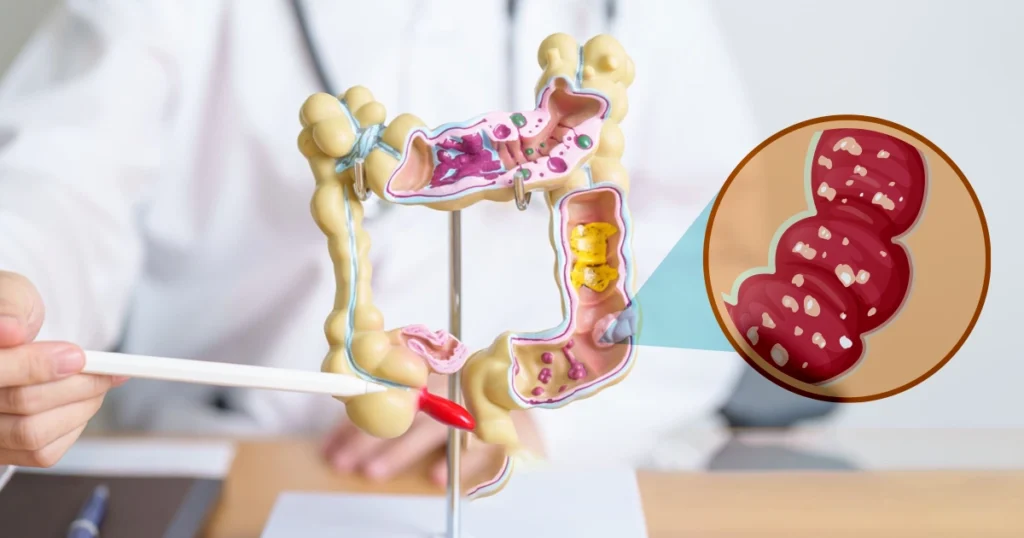
Irritable bowel syndrome (IBS) is a common gastrointestinal disorder affecting millions worldwide. It can cause persistent abdominal discomfort, irregular bowel habits, and bloated gut pain, disrupting daily life and overall well-being. Understanding what causes IBS can help manage symptoms and improve quality of life.
If you or a loved one has experienced unexplained colon pain, painful bowel movements, or changes in bowel habits, it can be distressing. At our emergency room in Amarillo, we frequently see patients seeking relief from digestive problems and IBS flare-ups.
What causes IBS?
IBS results from a combination of gut-brain axis dysfunction, altered gut microbiota, visceral hypersensitivity, and post-infectious changes. Studies show that about 20% of adults in Western populations experience IBS, often triggered by stress, certain foods, or infections. These factors disrupt normal digestive function, leading to colon pain, bloated gut pain, and irregular bowel habits.
IBS Symptoms
- Abdominal pain or colon pain.
- Bloating and bloated gut pain.
- Diarrhea, constipation, or alternating constipation after diarrhea.
- Painful bowel movements.
- Excess gas or irritable bowel reflux.
- Whitish or unusual mucus in stool.
- Urgent need to defecate or feel incomplete evacuation.
Gut-Brain Axis Dysfunction
Disruption in the gut-brain axis can lead to abnormal communication between the brain and digestive system. This miscommunication affects bowel motility and sensation, causing colon pain and bloated gut pain. Patients may feel heightened sensitivity to normal digestive processes. Stress and anxiety can worsen these disruptions, triggering IBS flare-ups.
Treatment
- Antispasmodic medications for cramps.
- Gut-directed hypnotherapy or CBT.
- Coordination with a gastroenterologist for management plans.
Visceral Hypersensitivity
IBS patients often have more sensitive gut nerves, making normal digestive activity painful or uncomfortable. Even small amounts of gas or stool can trigger abdominal discomfort. This hypersensitivity contributes to bloated gut pain, colon pain, and urgent bowel movements. Stress and trigger foods can intensify these symptoms.
Treatment
- Low-dose antidepressants to modulate nerve pain.
- Enteric-coated peppermint oil capsules.
- Relaxation techniques to reduce gut sensitivity.
Dysbiosis
An imbalance in gut bacteria can affect digestion, immune function, and gut signaling. Dysbiosis may lead to bloated gut pain, constipation after diarrhea, and increased IBS flare-ups. It often develops after antibiotic use or gastrointestinal infections. Supporting a healthy gut microbiome is crucial for IBS relief.
Treatment
- Probiotic supplements targeted for IBS relief.
- Prebiotic fiber under clinician supervision.
- Dietary modifications to support beneficial bacteria.
Post-Infectious IBS
Severe gastrointestinal infections can leave lingering gut sensitivity even after recovery. This can cause irregular bowel habits, painful bowel movements, and colon pain. Patients often notice IBS symptoms weeks after gastroenteritis or food poisoning. Immune responses and residual inflammation play a key role.
Treatment
- Antibiotics only when clinically indicated.
- Rehydration and symptom control after infection.
- Follow-up digestive care to monitor lingering symptoms.
Food Intolerances
Certain foods, such as dairy, gluten, and high-FODMAP items, can trigger IBS symptoms in sensitive individuals. These foods may cause bloated gut pain, diarrhea, constipation after diarrhea, or painful bowel movements. Avoiding triggers can reduce IBS flare-ups and improve comfort. Keeping a food diary helps identify personal triggers.
Treatment
- Low-FODMAP diet guided by a dietitian.
- Food diary tracking to identify triggers.
- Enzyme supplements (e.g., lactase) if needed.
Stress & Psychological Factors
Chronic stress, anxiety, and depression can worsen IBS symptoms. Stress impacts gut motility, increases sensitivity, and can trigger irritable bowel reflux. Patients may experience colon pain, bloating, and painful bowel movements during stressful periods. Mind-body therapies help regulate gut-brain communication and reduce flare-ups.
Treatment
- Cognitive Behavioral Therapy (CBT).
- Mindfulness or stress-reduction exercises.
- Referral to a mental health provider if needed.
Also Read: Can Stress Cause Diarrhea
Hormonal Fluctuations
Hormonal changes, especially in females, can worsen IBS symptoms. Many experience increased colon pain, bloated gut pain, and IBS flare-ups around menstrual cycles. Hormonal shifts influence gut motility and sensitivity. Tracking symptoms alongside menstrual cycles helps guide treatment and management.
Treatment
- Symptom tracking with menstrual cycle.
- Coordination with a gynecologist for hormonal balance.
- Tailored IBS management during cycle changes.
Genetic & Family Predisposition
A family history of IBS indicates genetic susceptibility, though specific genes are not fully identified. Individuals may experience early signs of gastrointestinal disease, IBS flare-ups, or digestive problems if relatives have IBS. Genetic factors can influence gut motility, sensitivity, and microbiome composition. Early monitoring helps manage symptoms effectively.
Treatment
- Early symptom monitoring if high family risk.
- Routine digestive health evaluations.
- Preventive strategies, including diet and lifestyle changes.
When Is IBS an Emergency?
Although IBS is typically manageable, some symptoms require urgent care. Seek immediate evaluation if symptoms are severe, sudden, or accompanied by alarming signs.
- Severe, persistent abdominal pain unrelieved by bowel movements.
- Repeated vomiting or inability to keep fluids down.
- Blood in stool.
- Fever with worsening IBS symptoms.
- Signs of dehydration, such as dizziness or fainting.
- Unintended weight loss or new, worsening symptoms.
If you experience these signs, contact the Neighbors Emergency Center immediately for evaluation and care.
Is IBS Curable?
No. IBS is not curable, but it is manageable. Individualized care can provide significant IBS relief, control IBS flare-ups, and improve quality of life. Treatments focus on symptom control, identifying triggers, and using lifestyle and medical therapies tailored to the patient’s IBS subtype.
Natural Remedies to Prevent IBS
Natural approaches can help prevent symptoms, reduce flare-ups, and support digestive health. Lifestyle strategies ease early signs of gastrointestinal disease, promote regular bowel function, and reduce colon pain and bloated gut pain.
- Fiber-Rich Diet: Soluble fiber promotes regular bowel movements and helps with constipation after diarrhea.
- Regular Physical Activity: Daily exercise supports digestion, reduces bloated gut pain, and regulates bowel habits.
- Hydration: Adequate water intake prevents painful bowel movements caused by hard stools.
- Stress Management Techniques: Yoga, meditation, and deep breathing improve gut-brain communication and lower IBS flare-ups.
- Probiotics: Specific strains balance gut bacteria and provide IBS relief.
- Avoiding IBS Trigger Foods: Limit dairy, high-FODMAP, and spicy or fatty meals.
- Adequate Sleep: Quality sleep supports gut regulation and reduces irritable bowel reflux.
- Mind-Body Practices: CBT or biofeedback strengthens coping skills for stress and digestive problems.
Care for IBS Symptoms at Neighbors Emergency Center
Are you wondering, “What causes irritable bowel syndrome?” Understanding the underlying triggers, such as stress, gut-brain axis dysfunction, or certain foods, can help you take timely action and manage your digestive health effectively. Early evaluation can prevent severe IBS flare-ups and reduce discomfort.
At Neighbors Emergency Center, our experienced team provides expert emergency care for patients experiencing IBS symptoms. We assess your digestive issues, identify potential triggers, and offer medically safe treatments and guidance to improve bowel regularity, relieve colon pain, and support overall gut health.