
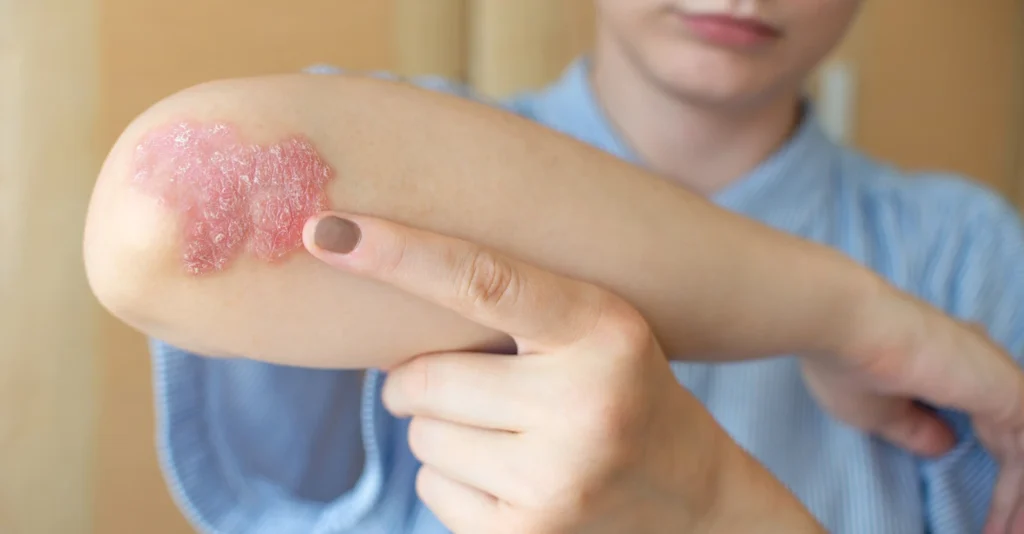
Noticing an unusual spot, bump, or mark on your skin can be unsettling, leaving you wondering, “What Is A Lesion?” These changes may appear suddenly or develop slowly over time, and the uncertainty can make anyone anxious. Understanding what could be happening is the first step toward protecting your health and peace of mind.
While some skin or body changes may be minor, others might hint at more serious conditions. Our Porter emergency care team is here to help you recognize warning signs early and ensure you get the right care promptly, so small concerns don’t turn into bigger problems.
What Are Skin Lesions?
Skin lesions are abnormal changes in the skin’s structure, appearance, or texture. They can differ in size, shape, color, and severity, and may appear anywhere on the body. A European study found ~43% of adults had at least one skin condition in the past year. While some lesions are harmless, like a benign lesion, others may indicate infections, inflammatory conditions, or underlying systemic diseases.
Symptoms of Skin Lesions
- Redness, swelling, or inflammation.
- Itching or burning sensation.
- Pain or tenderness in the affected area.
- Changes in color, texture, or thickness of the skin.
- Presence of skin bumps, growths, or papular clusters.
Types of Skin Lesions
Skin lesions can be broadly categorized based on their origin, appearance, and duration. They can be primary skin lesions, appearing initially on healthy skin, or secondary skin lesions, developing due to changes in existing lesions. Identifying the type of lesion is crucial for proper diagnosis and treatment.
Primary Skin Lesions
Primary skin lesions are the first visible signs appearing on previously healthy skin. They provide important diagnostic clues and indicate the early stages of a skin condition. Recognizing them promptly helps differentiate between harmless lesions and more serious conditions, including benign skin cancer.
Types include:
- Macule: A flat, discolored area of skin that is usually less than 1 cm in diameter. Macules are not raised or textured and often appear as a change in skin color.
- Papule: A small, raised papular bump that may feel firm or soft to the touch. Papules can cluster and sometimes develop into secondary lesions if irritated.
Learn More About: How to Treat a Burn on Your Hand from a Hot Pan
- Nodule: A larger, solid bump beneath the skin surface. Nodules may indicate deeper tissue involvement and can be tender or painless.
- Vesicle: A small, fluid-filled blister on the skin’s surface. Vesicles are often caused by infections, allergic reactions, or autoimmune conditions.
- Pustule: A lesion filled with pus, usually caused by infection or inflammation. Pustules may be painful and can leave scars if not treated properly.
Secondary Skin Lesions
Secondary skin lesions develop from changes in primary lesions due to scratching, infection, healing, or medical interventions. They reflect progression, chronicity, or complications of the initial lesion and are crucial in evaluating a patient’s skin health. Understanding these lesions guides treatment and prevents further damage.
Types include:
- Crust: A hardened layer of dried fluid or blood on the skin’s surface. Crusts often form after vesicles or pustules rupture and may indicate infection.
- Scale: Flaky or peeling skin caused by abnormal keratinization or shedding. Scales are commonly seen in conditions like psoriasis or eczema.
- Erosion: Partial loss of the superficial skin layer (skin erosion). Erosions may occur after scratching or rupture of a primary lesion and usually heal without scarring.
- Ulcer: A deeper loss of skin extending into the dermis or subcutaneous tissue. Ulcers can result from infections, poor blood flow, or chronic skin conditions.
- Fissure: A linear crack or split in the skin (skin fissure) that may be painful. Fissures are often seen in dry, thickened, or inflamed skin areas.
Macule vs Papule
A macule is a flat, discolored area without any texture changes, while a papule is a small, raised bump that may feel firm or soft. Macules are typically less than 1 cm and appear as spots, whereas papules are palpable skin bumps that may cluster into satellite lesions. Differentiating these lesions helps identify benign lesions, infections, or other skin conditions.
What Causes Skin Lesions?
Skin lesions can arise from multiple factors, and early detection is vital for proper care. Some causes are minor and self-limiting, while others may indicate serious issues affecting the skin or even a lesion on the brain or internal organs. Understanding potential triggers helps patients respond appropriately and seek timely medical care.
Common Causes:
- Infections: Bacterial, viral, fungal, or parasitic infections can produce lesions on the skin that vary in appearance. These lesions may be accompanied by redness, pus, or discomfort depending on the pathogen.
- Inflammatory conditions: Diseases like eczema, psoriasis, or autoimmune disorders trigger immune-mediated skin changes. These conditions often cause redness, itching, and papular or scaly lesions.
- Trauma: Cuts, burns, friction, or repeated mechanical irritation can lead to skin growth or bumps. Traumatic lesions may also become infected or develop into chronic wounds.
- Allergic reactions: Exposure to allergens or certain medications can cause contact dermatitis, hives, or rashes. These reactions often present as raised bumps, redness, and itchiness.
- Neoplasms: Both benign skin cancer and malignant lesions can appear as unusual bumps, growths, or discolored areas. Early recognition is crucial for proper treatment and prognosis.
- Vascular issues: Poor blood flow or circulatory problems can result in ulcers, skin fissures, or necrotic lesions. These often occur on extremities and may be slow to heal.
- Metabolic or nutritional disorders: Deficiencies in vitamins, minerals, or other nutrients can affect skin integrity. These may manifest as dryness, skin erosion, or delayed healing of existing lesions.
Warning Signs
Most lesions on the skin are harmless, but certain changes require immediate attention. Recognizing dangerous lesions early can prevent serious complications and ensure timely treatment. Monitoring changes in size, color, and texture is crucial for your health.
Warning Signs:
- Rapidly growing or changing lesions.
- Bleeding, oozing, or persistent ulceration.
- Severe pain or tenderness.
- Irregular color, shape, or texture.
- Development of multiple satellite lesions.
If you notice any of these signs, contact the Neighbors emergency center immediately.
Treatment for Skin Lesions
Treatment depends on the lesion type, underlying cause, and severity. Early intervention reduces discomfort, prevents complications, and promotes healing. A proper approach involves medications, topical care, procedural treatments, and ongoing monitoring, especially for primary skin lesions and secondary skin changes.
Treatment Options:
- Medications: Antibiotics, antifungals, antivirals, or anti-inflammatory drugs to treat infections or inflammation.
- Topical treatments: Creams or ointments for rashes, eczema, or primary skin lesions.
- Surgical removal: For benign lesions, benign skin cancer, or problematic skin growth.
- Home remedies: Proper hygiene, moisturizers, or gentle care for minor lesions.
- Follow-up care: Monitoring changes, especially for secondary skin lesions or recurring papular bumps.
Quick Care for Lesions at Neighbors Emergency Center
Noticing a new spot, bump, or unusual change on your skin can be worrying. Understanding what a lesion is and seeking timely evaluation is key to preventing complications and ensuring proper healing. Prompt attention from experienced professionals can make all the difference in managing both minor and serious skin changes.
At Neighbors Emergency Center, our skilled team provides thorough assessment and personalized emergency care for all types of lesions. Early intervention helps treat underlying causes, prevent progression, and give you peace of mind while keeping your skin healthy and safe.