
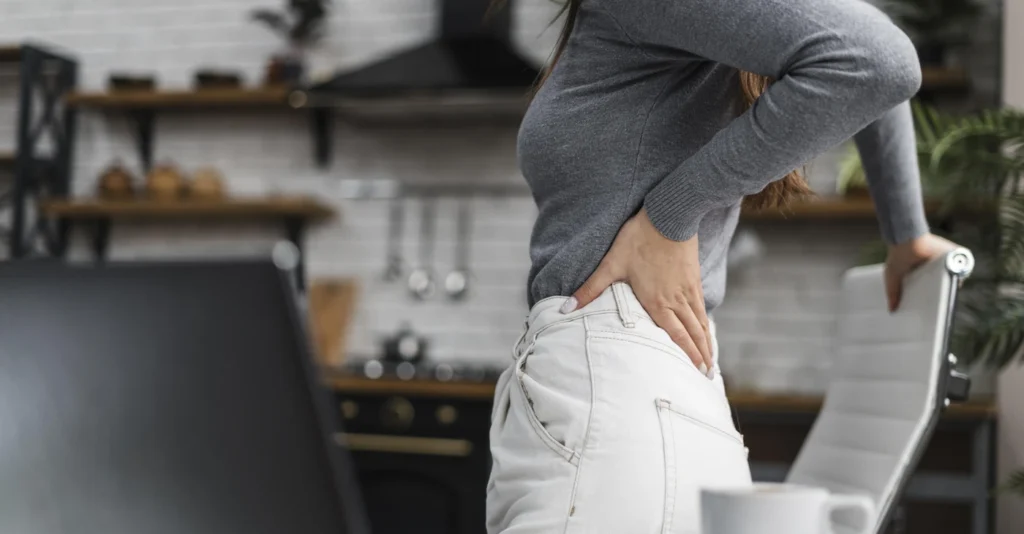
Lower back discomfort often develops from muscle strain, spinal changes, nerve compression, or underlying medical conditions, but identifying the cause is key to effective relief. What Causes Lower Back Pain is a common concern because it affects people of all ages, from young adults with poor posture to older individuals with age-related spinal changes. The pain may start suddenly after heavy lifting or gradually worsen over time due to repetitive stress.
Although many cases improve with conservative care, persistent or severe pain should not be ignored. Early evaluation helps prevent complications such as nerve damage or chronic disability. If symptoms are intense or accompanied by warning signs, visiting our emergency room Pasadena, TX ensures rapid assessment by experienced medical professionals.
What Is Lower Back Pain?
Lower back pain refers to discomfort originating in the lumbar spine, the section of the back that supports most of the body’s weight and movement. It may be acute (lasting less than six weeks) or chronic (persisting longer than three months). The pain can range from a dull ache to sharp, radiating nerve pain affecting the legs.
According to the National Institutes of Health (NIH), approximately 80% of adults experience low back pain at some point in their lives, making it one of the leading causes of disability globally.
Also Read: Can Dehydration Cause Back Pain?
Lower Back Pain Symptoms
- Dull, aching pain in the lumbar region.
- Sharp or stabbing pain with movement.
- Pain radiating down one or both legs (sciatic pattern).
- Muscle stiffness or reduced flexibility.
- Numbness or tingling in the legs or feet.
- Weakness in the lower extremities.
- Pain that worsens with prolonged sitting or standing.
Lower Back Pain Causes
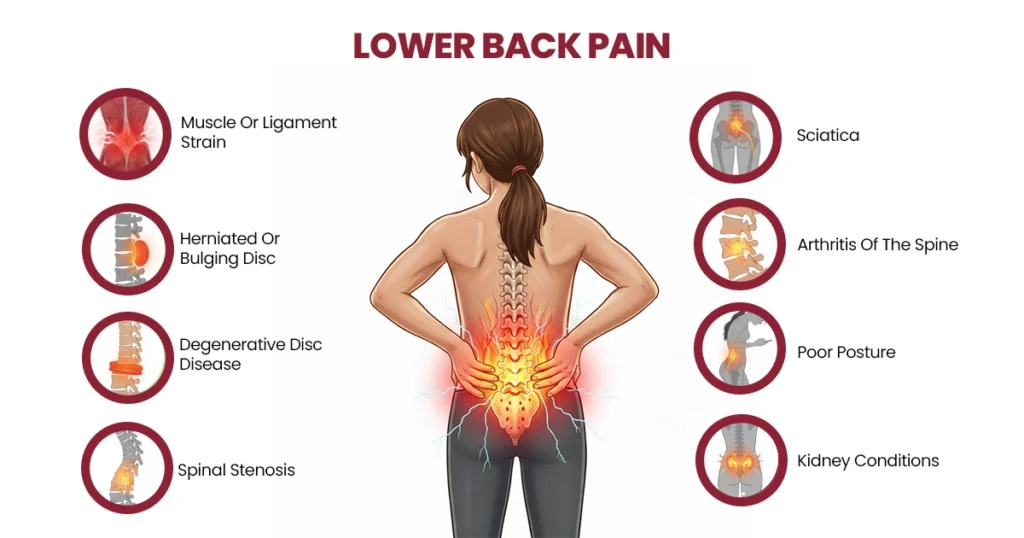
Lower back pain can result from mechanical stress, structural spinal degeneration, inflammation, or nerve compression. In many cases, the pain is musculoskeletal and improves with conservative treatment. However, some causes involve the spinal discs, joints, or nerves and require targeted medical management.
Muscle Or Ligament Strain
Muscle or ligament strain is the most common cause of acute lower back pain. It often occurs after lifting heavy objects, sudden twisting movements, or prolonged physical exertion. Microscopic tears in muscle fibers trigger inflammation and discomfort. Individuals with weak core muscles or improper lifting technique are at greater risk.
Herniated Or Bulging Disc
Intervertebral discs act as shock absorbers between vertebrae. When the inner portion of a disc protrudes outward, it can compress nearby spinal nerves. This may cause localized back pain or radiating leg pain. Disc herniation is more common with aging or repetitive strain.
Degenerative Disc Disease
With age, spinal discs gradually lose hydration and elasticity. This degeneration reduces cushioning between vertebrae and may cause chronic lower back pain. Symptoms often worsen after sitting and improve with light movement. While common, it can significantly affect quality of life if untreated.
Spinal Stenosis
Spinal stenosis occurs when the narrowing of the spinal canal compresses nerve roots. It is more prevalent in adults over 50. Patients often experience leg pain, numbness, or weakness that improves when bending forward. Medical imaging is typically required for confirmation.
Sciatica
Sciatica describes nerve pain caused by irritation of the sciatic nerve. It is usually a symptom of an underlying condition, such as a disc herniation or spinal stenosis. The pain typically radiates from the lower back down one leg. Early intervention reduces the risk of prolonged nerve inflammation.
Arthritis Of The Spine
Osteoarthritis can affect the facet joints of the lumbar spine. Cartilage breakdown leads to inflammation, stiffness, and possible bone spur formation. Over time, nerve compression may develop. Weight management and guided physical therapy help reduce strain.
Poor Posture
Prolonged sitting, slouching, and weak core muscles increase pressure on the lumbar spine. Over time, this mechanical stress can cause chronic discomfort. Ergonomic adjustments and strengthening exercises significantly reduce recurrence.
Kidney Conditions
Kidney infections or kidney stones may cause flank pain that radiates toward the lower back. Unlike musculoskeletal pain, it may be accompanied by fever, chills, nausea, or urinary changes. Immediate medical care is necessary if these symptoms occur.
Is Lower Back Pain Dangerous?
Most cases are not life-threatening and improve within weeks. However, certain symptoms may signal serious conditions such as nerve compression, spinal infection, fracture, or cauda equina syndrome. Prompt evaluation ensures early treatment and prevents permanent complications.
- Loss of bladder or bowel control.
- Progressive leg weakness.
- Severe numbness in the groin area.
- High fever with back pain.
- Sudden pain after a fall or accident.
- Unexplained weight loss.
If you notice any of these warning signs, contact the Neighbors Emergency Center immediately for urgent medical evaluation.
Also Read: When To Go To The Emergency Room For Back Pain
Lower Back Pain Treatment
Treatment depends on whether the pain is acute or chronic and on its underlying cause. Most cases improve with conservative therapies, but persistent symptoms may require advanced medical intervention. Early management reduces inflammation, restores mobility, and prevents long-term disability.
Rest And Activity Modification
Short periods of rest may help reduce acute inflammation, but prolonged bed rest is not recommended. Gentle movement promotes circulation and healing. Avoid activities that worsen pain. Gradual return to normal routines supports recovery.
Medications Prescribed By A Doctor
Nonsteroidal anti-inflammatory drugs (NSAIDs) such as ibuprofen or naproxen may be recommended by a doctor to reduce inflammation and pain. In some cases, muscle relaxants or prescription pain relievers may be advised. Always use medications under medical supervision. Overuse can lead to side effects.
Physical Therapy
Physical therapy focuses on strengthening core muscles and improving flexibility. Therapists design targeted exercises to stabilize the spine. Proper movement techniques reduce strain on the lower back. Consistent therapy significantly lowers recurrence rates.
Advanced Medical Procedures
For severe cases, treatments such as steroid injections or surgery may be considered. These options are typically reserved for persistent nerve compression or structural problems. A specialist evaluation determines suitability. Early consultation improves outcomes.
Stretches For Lower Back Pain
Stretching reduces muscle tension, improves spinal mobility, and enhances circulation to the lumbar region. Gentle, consistent stretching can significantly relieve stiffness and prevent future flare-ups. Movements should be slow and controlled, avoiding sudden jerks.
- Knee-To-Chest Stretch: Lie on your back and gently pull one knee toward your chest. Hold for 20 seconds. Switch legs to relax tight lumbar muscles.
- Cat-Cow Stretch: On hands and knees, alternate arching (cat) and rounding (cow) your spine. Improves flexibility and reduces stiffness.
- Child’s Pose: Sit back on your heels and extend your arms forward. Elongates the lower back and eases tension.
- Seated Forward Bend: Sit with legs extended and lean forward slowly. Targets both lower back and hamstrings, enhancing flexibility.
Exercises For Lower Back Pain
Strengthening exercises support the spine, improve posture, and prevent future pain flare-ups. Focus on slow, controlled movements and avoid jerky motions.
- Pelvic Tilts: Lie on your back with knees bent, gently tilt your pelvis upward, hold for a few seconds, then release. Strengthens core muscles that support the spine.
- Bridges: Lie on your back with knees bent and lift your hips toward the ceiling. Strengthens lower back and glute muscles.
- Bird-Dog: On hands and knees, extend opposite arm and leg, hold for a few seconds, then switch. Improves core stability and balance.
- Wall Sits: Stand with your back against a wall and slide down into a slight squat. Strengthens lower back and leg muscles safely.
Lower Back Pain Care At Neighbors Emergency Center
Persistent or severe back discomfort should never be ignored, especially when it limits movement or daily activities. Understanding What Causes Lower Back Pain helps identify the underlying issue and prevent long-term complications. At Neighbors Emergency Center, our experienced team provides prompt evaluations and reliable emergency care to relieve pain and address the root cause.
Even mild symptoms can worsen without proper medical attention. We offer personalized treatment plans, clear guidance, and compassionate support for both acute and chronic back conditions. When you need trusted emergency care, our team is here to help you recover safely and confidently.