
A fever is a common sign that the body is fighting an infection. When viruses, bacteria, or other illnesses enter the body, the immune system raises the body’s temperature to help eliminate harmful pathogens. Because of this natural response, many people ask, how long does a fever last and whether it is something to be concerned about.
In most cases, fevers caused by common illnesses such as colds, flu, or mild infections improve within a few days as the body recovers. However, the duration can vary depending on the underlying cause, age, and overall health. You may be asking yourself, “How long does a fever last?”. Understanding this can help you recognize what is normal and when it may be time to seek medical attention at a Baytown emergency room.
What Is A Fever?
A fever is a medically recognized rise in body temperature above the normal range, typically triggered when the immune system responds to infection or inflammation. It’s not an illness itself but a sign that the body is fighting off harmful invaders, such as viruses or bacteria, by raising the core temperature set‑point controlled by the hypothalamus in the brain.
Research shows that fever is extremely common in infectious illnesses, especially in children; one study found that 94% of children under five with serious infection developed fever as their first symptom.
What Is Considered A Fever?
A fever is generally considered a body temperature of 100.4°F (38°C) or higher when measured orally. It is the body’s natural response to fight infections, inflammation, or other medical conditions. While a mild fever can help the immune system combat illness, higher or persistent fevers may indicate a more serious problem that requires medical attention.
Fever Symptoms That Should Never Be Ignored
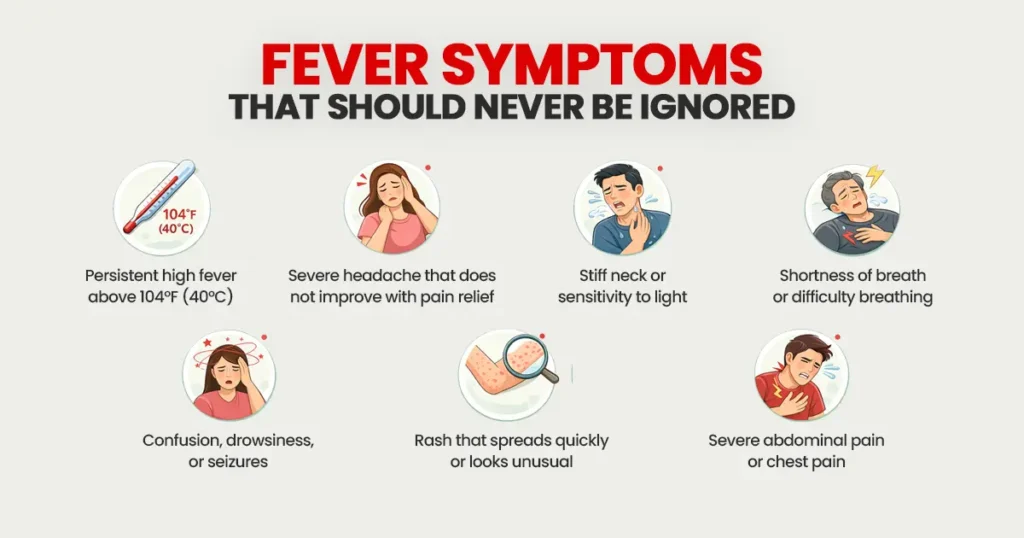
Some fever symptoms may indicate a serious underlying condition and should not be ignored. Seek medical attention immediately if you experience any of the following:
- Persistent high fever above 104°F (40°C).
- Severe headache that does not improve with pain relief.
- Stiff neck or sensitivity to light.
- Shortness of breath or difficulty breathing.
- Confusion, drowsiness, or seizures.
- Rash that spreads quickly or looks unusual.
- Severe abdominal pain or chest pain.
If any of these warning signs occur, it is vital to locate the closest emergency room near me to ensure you receive immediate medical intervention.
Causes Of Fever
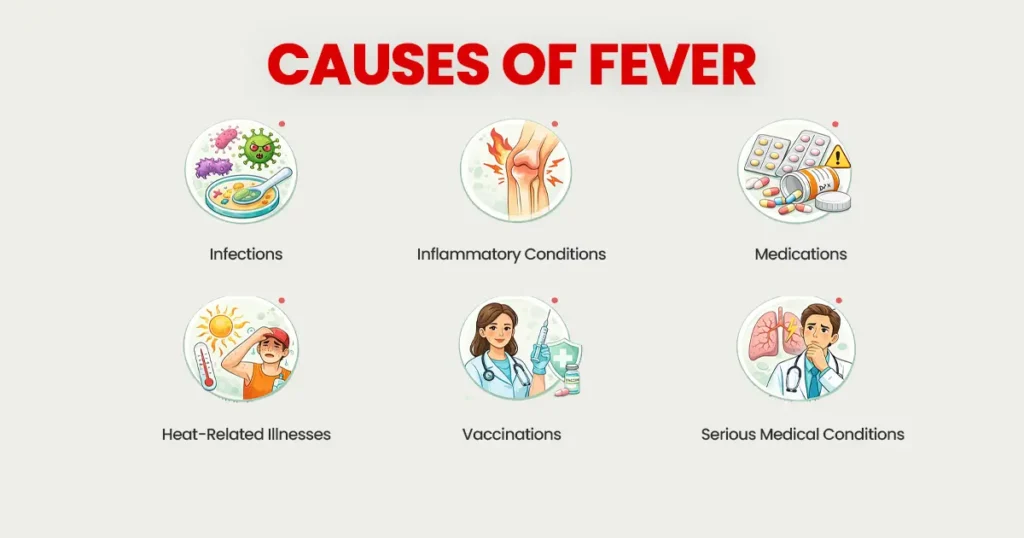
While most fevers are temporary and harmless, they can sometimes signal more serious problems that require medical attention. Understanding the potential causes of fever, including specific diseases, can help you identify the right approach to treatment and care.
- Infections: Fevers are most often triggered by infections caused by viruses, bacteria, or other pathogens. Common diseases include influenza, COVID-19, pneumonia, urinary tract infections, and gastroenteritis. The body raises its temperature to make it harder for these invaders to survive and replicate.
- Inflammatory Conditions: Autoimmune diseases, such as rheumatoid arthritis, lupus, or inflammatory bowel disease, can cause fevers due to chronic inflammation and immune system activation.
- Medications: Certain medications, including antibiotics, blood pressure drugs, and chemotherapy agents, may sometimes induce fever as a side effect or allergic reaction.
- Heat-Related Illnesses: Overexposure to high temperatures, heatstroke, or prolonged physical exertion in hot conditions can elevate the body’s temperature and cause fever.
- Vaccinations: Fevers can occasionally occur after vaccines, such as those for measles, mumps, rubella, or COVID-19, as the immune system responds to the introduced antigen, usually lasting only a day or two.
- Serious Medical Conditions: Rarely, fevers may be linked to diseases such as cancer (like leukemia or lymphoma), thyroid disorders, or other endocrine conditions, indicating the need for thorough medical evaluation.
How Long Will A Fever Last
The duration of a fever can vary depending on its underlying cause, but most fevers caused by common infections are temporary and resolve on their own. For a general fever, such as one from a mild viral or bacterial infection, it usually lasts about 1 to 3 days, though it may occasionally persist for up to a week.
Fever Duration For Specific Conditions
- Flu (Influenza): Fever from the flu typically lasts 3 to 5 days, often accompanied by chills, body aches, and fatigue. Most patients recover within a week with rest and supportive care.
Also Read: How Long Does the Flu Last?
- Common Cold: Fevers due to the common cold are usually low-grade and last 1 to 2 days, often resolving as other symptoms like a runny nose or sore throat improve.
- COVID-19: Fever associated with COVID-19 can last up to 7 days, depending on the severity of the infection and individual immune response.
- Pneumonia: Fever from pneumonia can be persistent, lasting 7 to 14 days, and sometimes longer if complications occur. It is often accompanied by cough, chest pain, and difficulty breathing, requiring prompt medical attention.
- Allergies: Allergies rarely cause true fevers, but if a mild temperature increase occurs, it is typically short-lived and resolves within a day.
- Urinary Tract Infection (UTI): Fever from a UTI can persist 2 to 4 days, especially if antibiotics are required to clear the infection.
- Other Viral Infections: Fevers from illnesses like chickenpox or measles can last 3 to 5 days, gradually subsiding as the immune system controls the virus.
How To Treat A Fever
Most fevers are a natural response of the immune system, so the goal is not always to eliminate the fever immediately but to prevent complications and reduce discomfort. In some cases, medical intervention is necessary, especially when the fever is high, persistent, or associated with serious infections.
- Antipyretic Medications: Drugs such as acetaminophen or paracetamol can help reduce fever and relieve discomfort. These should be used only as recommended by a doctor, with proper dosing based on age and weight.
- Non-Steroidal Anti-Inflammatory Drugs (NSAIDs): Medications like ibuprofen can lower fever and reduce inflammation. They should be taken under a doctor’s guidance, considering any pre-existing conditions or contraindications.
- Antibiotics: If a fever is caused by a confirmed bacterial infection, doctors may prescribe antibiotics to treat the underlying infection. Antibiotics should always be used as directed by a physician and completed fully to prevent resistance.
- Hospital Treatment for Severe Fever: In cases of extremely high or persistent fever, hospitalization may be necessary for intravenous fluids, close monitoring, and medications administered under medical supervision.
- Treatment of Underlying Conditions: Fever caused by chronic illnesses, autoimmune diseases, or other medical conditions may require specific prescription medications to address the root cause, always under a doctor’s supervision.
Home Remedies For A Fever
- Stay Hydrated: Drinking plenty of water, herbal teas, or clear broths helps prevent dehydration, which can worsen fever symptoms and support the body’s recovery.
- Rest and Sleep: Giving the body adequate rest allows the immune system to function optimally and fight off the infection causing the fever.
- Cool Compresses: Applying a cool, damp cloth to the forehead, neck, or wrists can help reduce discomfort and provide temporary relief from high body temperature.
- Light Clothing and Bedding: Wearing breathable clothing and using lightweight blankets can prevent overheating while allowing the body to regulate temperature naturally.
- Nutritious Foods: Consuming easy-to-digest, nutrient-rich foods like fruits, vegetables, and soups can support the immune system and provide energy during recovery.
When To Go To The Emergency Room For A Fever
Most fevers are mild and resolve on their own, but some may signal serious health issues that require urgent medical attention. Recognizing warning signs in both adults and children, and knowing when to visit the ER for high fever, can help prevent complications and ensure timely treatment.
When Should An Adult Go To The ER For A Fever?
- Fever above 104°F (40°C).
- Severe headache or stiff neck.
- Difficulty breathing or shortness of breath.
- Confusion, extreme drowsiness, or seizures.
- Persistent vomiting or inability to keep fluids down.
- Rash that spreads quickly or looks unusual.
- Severe abdominal or chest pain.
When Should I Bring My Child To The ER For A Fever?
- Infant under 3 months with a rectal temperature above 100.4°F (38°C).
- Fever lasting more than 3 days in children of any age.
- Difficulty breathing, rapid breathing, or wheezing.
- Signs of dehydration such as dry mouth, no tears, or very few wet diapers.
- Seizures, extreme irritability, or unusual sleepiness.
- Persistent vomiting or diarrhea.
- Rash that spreads quickly or has purple/blue spots.
If any of these symptoms occur, it is important to contact Neighbors Emergency Center immediately, as our facility provides professional evaluation and a specialized emergency room for pediatrics to ensure both adults and children receive the urgent care they need.
Key Takeaway
- Fever Is A Natural Defense: Shows the body is fighting infection or illness.
- Duration Varies: Most fevers last 1–3 days, depending on the cause.
- Watch For Serious Symptoms: High fever, trouble breathing, confusion, or persistent vomiting requires medical care.
- Children Need Extra Attention: Infants and young children may need urgent evaluation even at lower temperatures.
- Use Medical Treatment Responsibly: Only take medications like antipyretics or antibiotics as prescribed by a doctor.
- Supportive Care Helps: Hydration, rest, and light clothing aid recovery for mild fevers.
- Seek Emergency Care If Needed: Contact the Neighbors Emergency Center for red-flag symptoms.
Expert Fever Care at Neighbors Emergency Center
If you’re asking yourself, “How long does a fever last?” it’s important to understand that fever duration can vary depending on the underlying cause. Persistent or unusually high fevers may indicate more serious conditions, and timely evaluation is essential. At Neighbors Emergency Center, our experienced medical team provides thorough assessments to determine the cause and guide safe, effective treatment.
Our staff delivers attentive care for both adults and children with fever, ensuring prompt intervention when needed. Whether it’s a mild, short-lived fever or a prolonged fever that raises concern, Neighbors Emergency Center offers professional guidance and emergency care to help you recover safely and confidently.
FAQs
What Is a Fever Dream?
A fever dream is a vivid, often bizarre or unsettling dream that occurs when someone has a high fever. Elevated body temperature can affect brain activity and disrupt normal sleep patterns, leading to dreams that feel more intense, strange, or emotionally charged than typical dreams.
Does Ibuprofen Reduce Fever?
Yes, ibuprofen can reduce a fever by lowering the body’s production of prostaglandins, which cause inflammation and elevated temperature. It helps relieve discomfort like headaches and body aches while bringing the fever down. Always use ibuprofen as recommended by a doctor to avoid side effects.
Can Teething Cause Fever?
Teething rarely causes a true fever. While babies may experience mild temperature increases, irritability, or drooling during teething, a significant or persistent fever usually indicates an infection or another underlying issue rather than teething itself.