
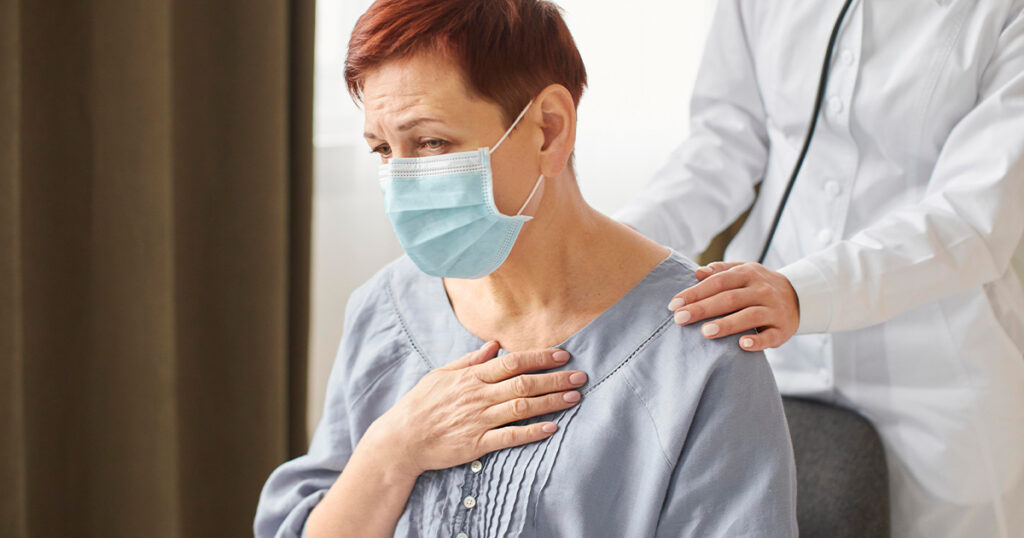
Chest pain in women can signal more than just minor discomfort; it may be an early warning sign of serious conditions such as a heart attack, pulmonary embolism, or other heart and lung-related emergencies. Unlike the typical crushing chest pain often described in men, women may experience more subtle or atypical symptoms that are easier to overlook or misinterpret.
These symptoms may include chest tightness, pressure, burning, or sharp pain that can spread to the jaw, neck, back, or arms, along with shortness of breath, nausea, dizziness, unusual fatigue, or cold sweats. Because these signs can mimic less serious issues like indigestion or anxiety, they are sometimes ignored, making it important to understand the underlying causes and recognize when medical evaluation is necessary. If you or someone you know experiences these symptoms, seeking care immediately at a Kingwood emergency room can provide prompt assessment and treatment.
Causes of Chest Pain in Women?
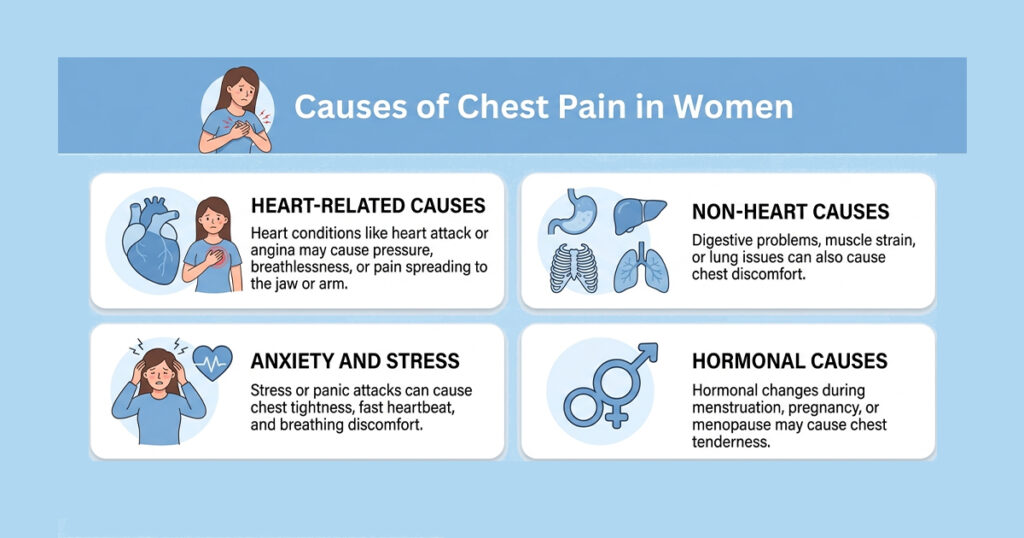
Chest pain in women can result from several different conditions, ranging from mild issues to serious medical emergencies. Understanding the possible causes below can help identify when symptoms may require urgent evaluation.
- Heart-related causes of chest pain in women: Includes heart attack, angina, and coronary microvascular disease, with symptoms such as chest pressure, pain spreading to the neck or jaw, shortness of breath, nausea, fatigue, and discomfort that may be mild or atypical.
- Non-heart causes of chest pain in women: Includes gastrointestinal issues (GERD, esophageal spasms, gallbladder problems), musculoskeletal conditions (muscle strain, costochondritis, rib injuries), and lung-related issues (pulmonary embolism, pneumonia, pleurisy), often causing pain that worsens with movement, breathing, or after eating.
- Anxiety and stress-related chest pain in women: Can cause chest tightness, rapid heartbeat, shortness of breath, dizziness, and panic-like symptoms that may resemble a heart attack, making medical evaluation important to rule out serious conditions.
- Hormonal and female-specific causes of chest pain: Hormonal changes during menstruation, pregnancy, or menopause can lead to breast tenderness, chest discomfort, or sensitivity, as well as breast-related conditions like fibrocystic changes or mastitis that may mimic chest pain.
If chest pain is severe, persistent, or accompanied by shortness of breath, dizziness, or jaw/arm pain, it’s crucial to seek immediate care at an emergency room near me to ensure prompt assessment and treatment.
Left Side Chest Pain in Women vs Right Side Chest Pain
The location of chest pain can sometimes provide clues about its cause, but it is not a reliable way to determine severity on its own. Both left and right-sided chest pain can be linked to serious conditions, so symptoms should always be evaluated in context.
Left Side Chest Pain in Women:
- More commonly associated with heart-related conditions such as heart attack or angina
- May radiate to the arm, jaw, neck, or back
- Often accompanied by symptoms like shortness of breath, nausea, sweating, or dizziness
- Requires urgent medical evaluation, especially if symptoms are sudden or severe
Right Side Chest Pain in Women:
- Often linked to non-cardiac causes such as lung conditions, muscle strain, or digestive issues
- May worsen with movement, breathing, or after eating
- Can still indicate serious conditions like pulmonary embolism or lung infections
- Should not be ignored if persistent or accompanied by other concerning symptoms
Regardless of whether chest pain occurs on the left or right side, any severe, unexplained, or persistent chest pain should be promptly evaluated to rule out life-threatening conditions. Seeking care at Neighbors Emergency Center ensures rapid assessment and treatment when time is critical.
Warning Signs of Chest Pain in Women
Some symptoms signal a higher risk of a serious condition. Watch for:
- Chest pressure, tightness, or squeezing
- Pain spreading to arms, jaw, neck, or back
- Shortness of breath
- Nausea or vomiting
- Sudden dizziness or fainting
- Cold sweats
- Extreme fatigue
These symptoms may indicate a heart attack or another life-threatening condition.
When Chest Pain in Women Becomes an Emergency
Chest pain in women should always be taken seriously, but it becomes an emergency when symptoms are sudden, severe, persistent, or accompanied by other warning signs. Because some life-threatening conditions can present with mild or atypical symptoms in women, prompt evaluation is critical. Seek immediate emergency care if you experience:
- Chest pain lasting more than a few minutes or recurring and worsening over time
- Difficulty breathing or shortness of breath
- Rapid, irregular, or unusually strong heartbeat
- Pain that spreads to the arm, jaw, neck, back, or shoulders
- Dizziness, confusion, fainting, or near-fainting episodes
- Nausea, vomiting, or cold sweats along with chest discomfort
Delaying medical care can increase the risk of serious complications, including heart damage or life-threatening outcomes. Early evaluation and treatment can significantly improve safety and outcomes.
When to Go to the ER
Go to the emergency room immediately if you have:
- Severe chest pain or pressure
- Chest pain with shortness of breath
- Pain spreading to the jaw, arm, or back
- Sudden nausea, sweating, or dizziness
- Symptoms that feel like a heart attack
- Chest pain after physical exertion or stress
- Fainting or near-fainting episodes
Emergency care teams are equipped to quickly determine whether chest pain is heart-related and provide life-saving treatment.
How Chest Pain in Women Is Diagnosed
At an emergency center, diagnosing chest pain in women involves a combination of clinical evaluation, medical history, physical examination, and diagnostic testing to quickly determine the underlying cause. Since symptoms can vary and sometimes present atypically in women, healthcare providers use multiple tools to rule out serious conditions such as heart attack, pulmonary embolism, or other urgent issues. Common diagnostic methods include:
- Electrocardiogram (ECG): Records the heart’s electrical activity to detect irregular rhythms, signs of a heart attack, or other cardiac abnormalities.
- Blood tests: Measure cardiac biomarkers (such as troponin) that indicate heart muscle damage or stress.
- Chest X-ray: Helps evaluate the lungs, heart size, and detect conditions like pneumonia, fluid buildup, or structural abnormalities.
- CT scan: Provides detailed imaging to identify blood clots (such as pulmonary embolism), aortic problems, or other internal concerns.
- Stress testing: Assesses how the heart performs under physical exertion to identify reduced blood flow or underlying coronary artery disease.
Quick and accurate diagnosis is essential in chest pain cases, as it allows for timely treatment, reduces the risk of complications, and helps ensure the best possible outcome.
Emergency Chest Pain Care for Women
Chest pain can be unpredictable and serious. At Neighbors Emergency Center, patients receive rapid evaluation and advanced care for all types of chest pain in women. Our emergency teams provide:
- Immediate Assessment: Rapid evaluation of symptoms and vital signs
- Advanced Diagnostics: On-site ECG, imaging, and lab testing
- Cardiac Monitoring: Continuous observation for heart-related issues
- Targeted Treatment: Medications, oxygen therapy, and stabilization
- Specialist Coordination: Referral for cardiology or further care if needed
Early intervention can be life-saving and significantly improve outcomes.
Key Takeaways
- Chest pain in women can result from heart, lung, digestive, or stress-related causes.
- Heart attack symptoms in women may be subtle and different from those in men.
- Not all chest pain is severe, but it should never be ignored.
- Symptoms like shortness of breath, nausea, or dizziness increase urgency.
- Immediate evaluation is critical for preventing serious complications.
- Emergency centers provide fast diagnosis and life-saving care.
FAQs
What causes chest pain in a woman on the left side?
Left-sided chest pain in women may be related to heart conditions such as a heart attack or angina. Still, it can also arise from non-cardiac causes like muscle strain, acid reflux, or lung-related issues. Since some of these causes can be serious, any sudden or severe left-sided chest pain should be assessed promptly.
What causes chest pain in a woman on the right side?
Right-sided chest pain is more commonly linked to lung conditions, gallbladder problems, or musculoskeletal issues rather than the heart. However, persistent, unexplained, or worsening pain should still be evaluated to rule out any serious underlying conditions.
What causes chest pain in a woman when breathing?
Chest pain that worsens with breathing is often associated with lung-related conditions such as pleurisy, infections, or a pulmonary embolism. Because this type of sharp pain can indicate a serious issue, it should be treated as urgent and evaluated by a medical professional as soon as possible.