
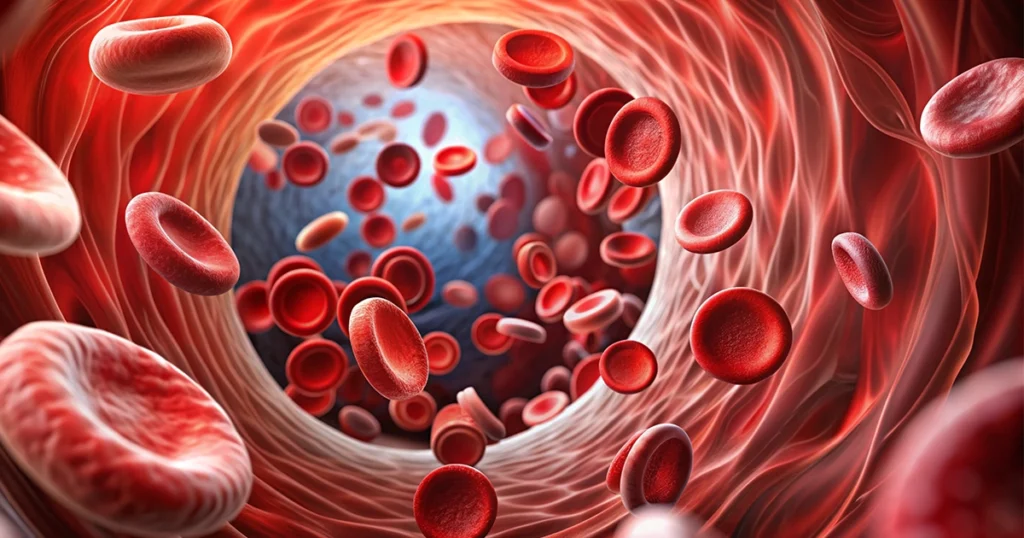
Blood clots are the body’s natural way of stopping bleeding, but when they form unexpectedly inside veins or arteries, they can become dangerous. Recognizing their signs and understanding how they affect your health is crucial for timely action.
Sometimes you may wonder, “What is a blood clot really doing inside my body?” These hidden clots can silently disrupt circulation, causing swelling, pain, or severe complications like stroke or pulmonary embolism. At our Amarillo emergency room, we provide fast, compassionate care to detect and treat clots before they threaten your health.
What Does A Blood Clot Look Like
A blood clot can appear as a dark red or bluish, jelly-like mass when visible outside the body, such as after heavy bleeding or an injury. Internal clots remain hidden and often cause swelling, redness, or warmth in the affected limb. A systematic review found that about 21% of hospitalized patients with COVID‑19 experienced thrombotic events (including deep vein thrombosis and pulmonary embolism), showing how common blood clots can be in serious illness.
How Do You Know If You Have A Blood Clot
- Swelling In One Limb: Sudden swelling in a leg or arm may suggest DVT, often appearing without an injury.
- Pain Or Tenderness: Persistent cramping or soreness, especially in the calf, can indicate a clot obstructing blood flow.
- Warmth And Skin Discoloration: The affected area may feel warm and look red or bluish compared to surrounding skin.
- Shortness Of Breath: Sudden difficulty breathing, chest pain, or rapid heartbeat may signal a pulmonary embolism, requiring immediate medical attention.
How Do Blood Clots Form
Blood clots form through a process called coagulation, which is normally protective. When a blood vessel is injured, platelets gather at the site to form a temporary plug. Clotting factors then strengthen this plug with fibrin strands, stopping bleeding. Problems occur when clotting happens unnecessarily or does not stop, creating dangerous blockages inside veins or arteries.
What Causes Blood Clots
Blood clots can develop due to lifestyle factors, medical conditions, or genetic influences. Some risks develop gradually, without obvious warning signs. Conditions that affect blood flow, vessel health, or clotting balance make harmful clots more likely. Understanding these risks helps guide preventive care and early intervention.
Prolonged Immobility
Sitting or lying down for long periods, during travel, bed rest, or hospitalization, slows blood flow in the legs. Reduced circulation allows blood to pool, increasing clot risk. Frequent movement and leg exercises are effective ways to prevent this.
Surgery Or Injury
Major surgeries or injuries activate the body’s clotting system to prevent excessive bleeding. However, this protective mechanism can sometimes create abnormal clots, especially after orthopedic or abdominal procedures. Blood thinners recommended by doctors are often prescribed to reduce this risk.
Medical Conditions
Chronic illnesses like cancer, heart disease, and autoimmune disorders can increase clotting tendencies. Inflammation, hormonal imbalances, and pregnancy also raise clot risk. Regular monitoring is essential for individuals with these conditions.
Genetic Clotting Disorders
Inherited conditions such as Factor V Leiden make blood clot more easily. Individuals may not know they carry these traits until a clot occurs. A family history of unexplained clots can signal a genetic predisposition. Preventive care under medical supervision is crucial.
Where Are Blood Clots Located?
Blood clots can form anywhere in the circulatory system, sometimes causing mild discomfort and other times threatening vital organs. The symptoms and severity depend on the clot’s size and location. Early recognition is key to preventing complications.
- Deep Veins Of The Legs (DVT): Clots in deep leg veins may cause swelling, pain, and warmth.
- Lungs (Pulmonary Embolism): Clots that travel to the lungs block oxygen exchange, causing sudden shortness of breath and chest pain.
- Brain (Stroke): Clots in cerebral arteries can lead to weakness, facial drooping, or speech difficulties.
- Heart (Coronary Arteries): Arterial clots can trigger a heart attack by cutting off the oxygen supply to the heart tissue.
Do Blood Clots Go Away?
Yes, some blood clots dissolve naturally through fibrinolysis. However, untreated clots may grow or travel, causing severe complications. Blood-thinning medications recommended by doctors help prevent enlargement while the body safely reabsorbs the clot. Timely medical care is critical to ensure safe recovery.
When To Seek Emergency Care For Blood Clots?
Blood clots can become life-threatening if they block blood flow to the lungs, heart, or brain. Immediate medical attention reduces the risk of permanent damage or death.
- Sudden shortness of breath or chest pain.
- Swelling and severe pain in one leg.
- Rapid heartbeat or unexplained dizziness.
- Coughing up blood.
- Sudden weakness, confusion, or trouble speaking.
If you notice any of these symptoms, contact the Neighbors Emergency Center immediately for urgent evaluation.
How To Prevent Blood Clots
Preventing blood clots involves maintaining healthy circulation, managing medical conditions, and following doctor’s guidance. Small lifestyle changes combined with preventive strategies can significantly reduce risk, especially for those with genetic or chronic risk factors.
Stay Physically Active
Regular movement improves circulation and prevents blood from pooling in the legs. Walking, stretching, and simple exercises reduce clot risk, particularly during long periods of inactivity.
Maintain A Healthy Weight
Excess weight increases pressure on veins and slows blood flow. A balanced diet and consistent exercise lower cardiovascular strain and reduce clotting risk.
Follow Medical Advice After Surgery
After surgery or hospitalization, follow instructions for medications and mobility. Blood thinners recommended by doctors and compression stockings, if advised, help prevent clot formation during recovery.
Manage Chronic Conditions
Controlling high blood pressure, diabetes, and cholesterol protects blood vessels from damage. Regular check-ups allow early detection of clotting risks. Individuals with genetic clotting disorders may need long-term preventive care under medical supervision.
Expert Blood Clot Care at Neighbors Emergency Center
If you are concerned about unexplained swelling, pain, or other symptoms, timely evaluation is essential. Understanding “what is a blood clot?” helps guide proper treatment and prevent serious complications like pulmonary embolism or stroke. At Neighbors Emergency Center, our skilled medical team provides rapid assessment, accurate diagnosis, and personalized care plans to address your unique needs.
Even minor or occasional signs of clotting can become dangerous if left untreated. Our compassionate staff offers symptom management, clear guidance on prevention, and ongoing support for patients of all ages. When advanced monitoring or extended treatment is necessary, we coordinate seamless emergency care residents can trust, ensuring you receive safe, effective, and attentive care every step of the way.