
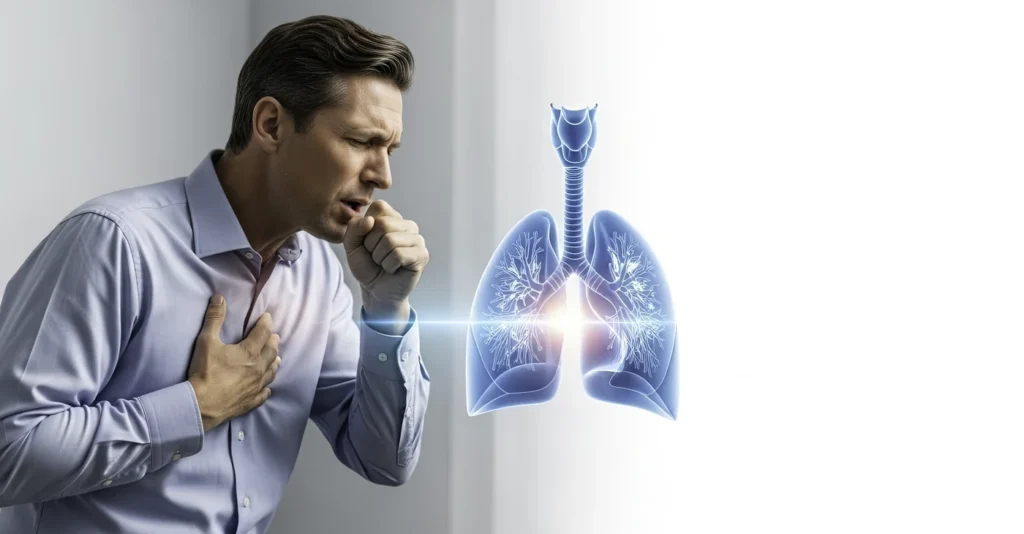
Bronchitis can sometimes progress into a more serious lung infection, including pneumonia, if the initial infection spreads deeper into the lungs and affects the air sacs. But even though this risk exists, it’s important to understand what increases that risk and how you can recognize warning signs early.
Both bronchitis and pneumonia impact your respiratory system, but they do so in different ways, and knowing those differences helps you take action before a minor cough escalates into something that demands urgent care. If symptoms linger, worsen, or breathing becomes difficult, seeking help from healthcare professionals, like the team at our Amarillo emergency room, can be lifesaving.
What Is Bronchitis
Bronchitis is an inflammation of the bronchial tubes, the airways that carry air to your lungs, usually caused by a viral infection similar to a common cold or flu. Symptoms often include persistent coughing, mucus production, mild fever, and shortness of breath. In adults, viral infections account for approximately 90–95% of acute bronchitis cases, whereas bacterial causes are rare.
One large review found that about 7% of patients diagnosed with acute bronchitis show radiographic evidence of pneumonia, illustrating how these conditions sometimes overlap.
What Causes Bronchitis
- Viral Infections: Most bronchitis cases result from viruses like those that cause colds or the flu, leading to airway inflammation and cough.
- Bacterial Infection: Less common, bacteria such as Mycoplasma pneumoniae or Chlamydia pneumoniae occasionally trigger bronchitis, especially in those with weakened immunity.
- Irritants and Pollution: Exposure to smoke, dust, fumes, and air pollution irritates bronchial tissues, increasing inflammation and cough.
- Smoking: Long‑term smoking greatly raises the risk of both acute and chronic bronchitis by damaging the airway lining.
What Is Pneumonia
Pneumonia is an infection that inflames the air sacs (alveoli) in one or both lungs, which can fill with fluid or pus, making breathing difficult. It can be caused by bacteria, viruses, or, less commonly, fungi, and leads to more severe symptoms than bronchitis.
Study: A large cohort study found that about 19% of adult pneumonia hospitalizations required an ICU admission, demonstrating the significant burden and severity of pneumonia in adults.
What Causes Pneumonia
- Bacteria: Streptococcus pneumoniae is the most common bacterial cause in adults, leading to severe infection and inflammation.
- Viruses: Respiratory viruses, including influenza and RSV, frequently cause pneumonia, especially in children and older adults.
- Fungal Pathogens: In immunocompromised individuals, fungi from soil or bird droppings can trigger pneumonia.
- Aspiration: Inhaling food, vomit, or liquids into the lungs can introduce bacteria and cause aspiration pneumonia.
Could Bronchitis Turn Into Pneumonia
Yes, bronchitis can turn into pneumonia if the infection spreads from your bronchial tubes into the deeper parts of your lungs, especially the air sacs where gas exchange occurs. This progression is more likely when symptoms worsen over time or if immune defenses are weakened, because the infection can move deeper into lung tissue rather than staying confined to the upper airways.
How Do You Tell If It’s Bronchitis Or Pneumonia?
Distinguishing bronchitis from pneumonia can be difficult because they share symptoms like cough and fatigue, but pneumonia tends to produce more intense and systemic signs. Early identification matters because pneumonia often requires targeted medical treatment.
Signs of Bronchitis
- Persistent Cough: Usually dry at first, later producing clear or yellow mucus.
- Mild Fever: Often low-grade and short-lived.
- Fatigue: Mild tiredness that doesn’t severely limit daily activities.
- Wheezing or Chest Tightness: Especially after coughing or physical activity.
Signs of Pneumonia
- High Fever and Chills: More intense and persistent than typical bronchitis fevers.
- Shortness of Breath: Difficulty breathing even at rest.
- Chest Pain: Sharp or stabbing pain during coughing or deep breaths.
- Severe Fatigue & Confusion: Especially in older adults.
- Abnormal Lung Sounds: Crackles or diminished breath sounds, often confirmed with a chest X‑ray to detect lung involvement.
When To See A Doctor
If your respiratory symptoms persist beyond a typical cold, worsen rapidly, or you develop trouble breathing, it’s important to seek medical care promptly. Early evaluation can help prevent serious complications like pneumonia or identify them when they’re most treatable.
- Difficulty breathing or shortness of breath.
- High fever that doesn’t improve with rest or OTC medications.
- Chest pain that worsens with breathing.
- Confusion, dizziness, or bluish lips or face.
If you experience these symptoms or they escalate, contact a healthcare provider right away. Symptoms that don’t improve may require further evaluation, and you may need to contact the Neighbors Emergency Center or similar urgent care for rapid assessment.
Treatments
Understanding treatment options for bronchitis and pneumonia helps you support recovery and prevent severity. Stay hydrated, rest, and monitor symptoms closely; but specific care depends on diagnosis and severity.
How To Treat Bronchitis
- Rest and Hydration: Adequate fluids and rest help thin mucus and support the immune response.
- Over-The-Counter Medicines: Most doctors recommend cough suppressants (like dextromethorphan) and expectorants (guaifenesin) to ease coughing.
- Humidifiers: Moist air can help reduce airway irritation and loosen mucus.
- Avoid Smoking: Stopping smoking and avoiding secondhand smoke lowers inflammation.
- Inhalers (If Prescribed): Bronchodilators like albuterol may be recommended for wheezing.
Also Read: How To Stop Wheezing Immediately
How To Treat Pneumonia
- Antibiotics: Most doctors recommend antibiotics if bacteria are suspected or confirmed.
- Antiviral Medications: Used when a viral cause like influenza is identified early.
- Antifungal Therapy: Required for fungal pneumonia.
- Oxygen Therapy: For patients with low blood oxygen or severe symptoms.
- Hospital Care: In severe cases, hospitalization with IV antibiotics, fluids, and respiratory support may be required.
Pneumonia Care at Neighbors Emergency Center
If you’re wondering, can bronchitis turn into pneumonia? It’s important to get a timely evaluation to prevent complications and ensure proper treatment. At Neighbors Emergency Center, our skilled medical team provides fast, thorough assessments to determine the cause of respiratory symptoms and guide effective care.
Persistent cough, fever, or shortness of breath should never be ignored. Our team delivers fast, reliable emergency care, along with practical guidance and ongoing support for bronchitis, pneumonia, and other serious lung conditions, helping patients recover safely while giving families peace of mind.