
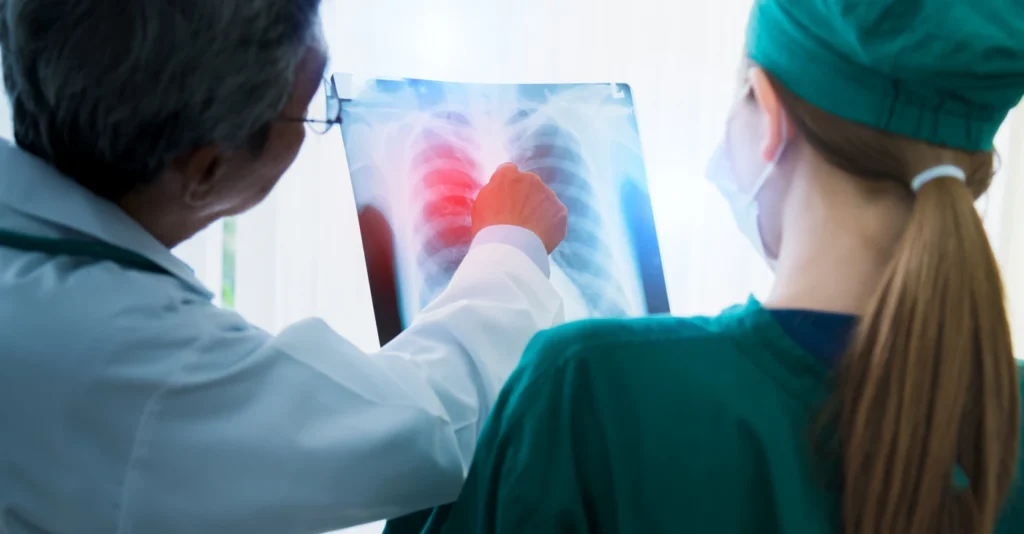
If you’ve been struggling with a cough that won’t seem to go away or feeling exhausted even after resting, it’s normal to feel concerned. Understanding What Is Walking Pneumonia can help ease some of that uncertainty. Walking pneumonia is a mild form of pneumonia, most commonly caused by bacteria, that affects the lungs gradually and often without severe early symptoms. Many people continue daily routines while unknowingly fighting an ongoing lung infection.
Even though it’s considered less severe than traditional pneumonia, the experience can still be physically draining and emotionally stressful. Symptoms may linger for weeks and interfere with work, school, and quality of life. When symptoms don’t improve or begin to worsen, seeking care at our emergency room Pasadena, TX can provide compassionate evaluation, accurate diagnosis, and timely treatment to support recovery.
What Does Walking Pneumonia Feel Like
Walking pneumonia often feels like a stubborn respiratory illness that slowly wears you down rather than causing sudden, severe symptoms. People frequently describe persistent fatigue, a dry cough that worsens at night, and mild chest discomfort when breathing deeply. Shortness of breath during routine activities and low-grade fever can make everyday tasks feel unusually difficult. Because symptoms develop gradually, many delay medical care.
According to a PubMed‑indexed study, Mycoplasma pneumoniae was identified in 35.5% of patients with community-acquired pneumonia, many of whom presented with mild or “walking” pneumonia rather than severe illness.
Walking Pneumonia Symptoms
- Persistent dry or hacking cough.
- Low-grade fever or chills.
- Fatigue and reduced energy levels.
- Chest tightness or mild pain.
- Shortness of breath with activity.
- Headache or body aches.
How Do You Get Walking Pneumonia
Walking pneumonia spreads quietly and often without immediate warning signs. Because symptoms appear slowly, people may unknowingly pass the infection to others before realizing they are sick. This can be especially concerning for families, classrooms, and workplaces where close contact is common. Understanding exposure risks helps reduce transmission and protect vulnerable individuals.
- Close Person-to-Person Contact: Breathing in respiratory droplets from coughing, sneezing, or talking allows bacteria to spread easily.
- Crowded Or Shared Spaces: Schools, offices, dormitories, and daycare centers increase the risk of exposure.
- Lowered Immune Defenses: Stress, illness, lack of sleep, or chronic conditions can make infection more likely.
What Causes Walking Pneumonia
Walking pneumonia is caused by infectious organisms that inflame the airways and lungs more subtly than typical pneumonia. Because inflammation develops slowly, symptoms may feel mild at first. Identifying the specific cause is important, as treatment varies depending on whether the infection is bacterial or viral. Early diagnosis supports faster recovery.
1. Mycoplasma Pneumoniae
This bacterium is the most common cause of walking pneumonia, particularly among school-aged children and young adults. It spreads through respiratory droplets and often leads to prolonged coughing and fatigue. Symptoms may worsen gradually over one to two weeks. Antibiotics for walking pneumonia are commonly prescribed when this cause is identified.
2. Viral Respiratory Infections
Certain viruses can cause walking pneumonia-like symptoms, especially after a cold or flu. Viral cases often include a lingering cough and tiredness, but usually do not respond to antibiotics. Supportive care and rest are essential. Proper testing helps avoid unnecessary medications.
3. Chlamydophila Pneumoniae
This bacterial cause spreads easily in close-contact settings. Symptoms may include sore throat, hoarseness, and persistent cough. Without treatment, symptoms can last several weeks. Targeted antibiotics significantly improve outcomes.
Walking Pneumonia In Kids
Walking pneumonia is common in children and teenagers due to frequent exposure in schools and group activities. Symptoms may appear mild, leading parents to assume it’s just a cold. However, untreated children’s walking pneumonia can affect sleep, school performance, and overall well-being. Early recognition and care help prevent prolonged illness.
Walking Pneumonia Symptoms In Kids
- Ongoing cough lasting more than a week.
- Mild fever that may come and go.
- Unusual tiredness or irritability.
- Reduced appetite.
- Headache or stomach discomfort.
How To Test For Walking Pneumonia
Diagnosing walking pneumonia requires careful evaluation because symptoms are often subtle. Healthcare providers assess medical history, symptoms, and risk factors before selecting appropriate tests. Early testing helps determine the cause and guides proper treatment. Accurate diagnosis prevents complications and unnecessary medications.
- Chest X-Ray: Detects mild lung inflammation not always heard during a physical exam.
- Blood Tests: Help identify infection and assess immune response.
- PCR Or Antibody Testing: Confirms bacterial causes such as Mycoplasma pneumoniae.
Also Read: How Long Does Walking Pneumonia Last?
When Walking Pneumonia Is Dangerous?
Walking pneumonia becomes dangerous when symptoms worsen or complications develop. Delayed treatment can increase the risk of breathing difficulties, especially in older adults, children, and those with chronic conditions. Recognizing warning signs early is critical.
- High or persistent fever.
- Increasing shortness of breath.
- Chest pain during breathing or coughing.
- Bluish lips or fingertips.
- Severe fatigue or confusion.
If these symptoms occur, contact the Neighbors Emergency Center immediately for prompt evaluation and care.
How To Treat Walking Pneumonia
Treatment for walking pneumonia focuses on eliminating the infection, easing symptoms, and supporting the body’s recovery. While many cases improve with proper care, recovery can take time. Early treatment reduces symptom duration and helps prevent spread to others. A healthcare provider tailors treatment based on the cause.
1. Antibiotics For Walking Pneumonia
When bacterial infection is confirmed or strongly suspected, antibiotics for walking pneumonia are prescribed. These medications target the bacteria responsible and help shorten illness duration. Completing the full course is essential to prevent recurrence. Improvement often begins within a few days.
2. Supportive Care And Rest
Adequate rest, hydration, and symptom relief play a major role in recovery. Over-the-counter medications may help manage fever and discomfort. Physical activity should be limited until breathing improves. Supportive care is especially important for viral cases.
3. Follow-Up And Monitoring
Follow-up care ensures symptoms are resolving as expected. Persistent cough or fatigue may require reevaluation. Children and high-risk individuals benefit from closer monitoring. Early follow-up helps prevent complications and supports full recovery.
Walking Pneumonia Care at Neighbors Emergency Center
If you’re wondering What Is Walking Pneumonia or are experiencing a persistent cough, fatigue, or mild fever, timely evaluation is essential. At Neighbors Emergency Center, our experienced medical team provides quick, thorough assessments to determine the cause of respiratory symptoms and guide appropriate treatment. Early care helps prevent complications and supports faster recovery.
Even mild pneumonia can impact daily life if ignored. Our staff offers compassionate care, practical guidance, and ongoing support for both adults and children, ensuring patients receive the treatment they need while giving families peace of mind.