

High blood pressure isn’t always silent. Some people experience severe headaches, dizziness, chest tightness, blurred vision, or shortness of breath when blood pressure rises suddenly. These symptoms can signal dangerous spikes that increase the risk of heart attack, stroke, or other serious cardiovascular complications if not addressed promptly. In such cases, seeking care at an emergency room Amarillo can ensure immediate evaluation and treatment.
Because of these risks, many people ask whether magnesium lowers blood pressure and whether improving magnesium intake can support heart health. Magnesium is an essential mineral that helps regulate muscle contraction, nerve signaling, and blood vessel relaxation. Since blood vessels rely on smooth muscle to widen and narrow, maintaining adequate magnesium levels may support healthier circulation and help stabilize blood pressure levels.
What Is Magnesium?
Magnesium is a vital mineral required for more than 300 biochemical reactions in the body. It plays an important role in maintaining muscle function, regulating nerve signals, controlling blood sugar levels, and supporting heart rhythm.
Within the cardiovascular system, magnesium helps control the balance of calcium and potassium inside cells. This balance is essential for normal muscle contraction and relaxation. Because blood vessel walls contain smooth muscle, magnesium directly influences how easily those vessels expand. This is why the relationship between magnesium and blood pressure has gained attention in medical research. Adequate magnesium levels help maintain flexible blood vessels, which can contribute to healthier circulation. For patients seeking specialized care or evaluation of cardiovascular health, visiting Amarillo Hospitals can provide expert medical support.
How Magnesium Affects Blood Pressure
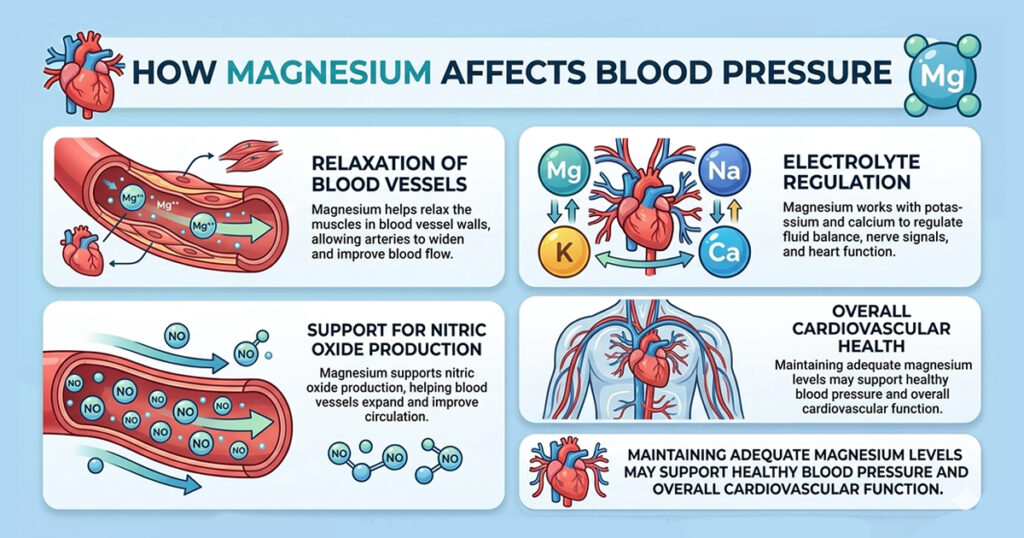
Understanding whether magnesium lowers blood pressure requires examining how the mineral affects the cardiovascular system. Magnesium plays several roles that influence blood pressure regulation.
- Blood Vessel Relaxation: Magnesium helps relax the smooth muscles in blood vessel walls. When blood vessels relax and widen, blood can flow more easily, which may help lower pressure inside the arteries.
- Electrolyte Regulation: Magnesium works alongside other minerals such as potassium and calcium to regulate fluid balance and nerve signaling that control heart and blood vessel function.
- Nitric Oxide Support: Magnesium helps support nitric oxide production, a compound that signals blood vessels to expand and improve circulation.
Because of these effects, adequate magnesium for blood pressure support is considered beneficial for maintaining healthy cardiovascular function. For individuals experiencing severe symptoms like sudden high blood pressure, chest pain, or dizziness, seeking care at Neighbors Emergency Center ensures prompt evaluation and treatment.
Can Magnesium Help With High Blood Pressure?
Several clinical studies have examined whether magnesium intake can influence blood pressure levels. Research suggests that magnesium may produce modest reductions in both systolic and diastolic blood pressure, particularly in people who have low magnesium levels.
For individuals with a deficiency, increasing magnesium intake may improve vascular function. In some cases, healthcare providers may recommend magnesium supplements for blood pressure when dietary intake is insufficient. However, magnesium should not be viewed as a replacement for medical treatment. Instead, magnesium for high blood pressure is often considered part of a broader heart-healthy lifestyle that includes balanced nutrition, physical activity, and proper medical management.
Magnesium-Rich Foods That Support Blood Pressure
Diet plays an important role in maintaining healthy magnesium levels. Many whole foods naturally contain magnesium and contribute to overall cardiovascular health.
Foods that support magnesium for blood pressure include:
- Leafy green vegetables such as spinach, kale, and Swiss chard
- Nuts and seeds, including almonds, pumpkin seeds, and cashews
- Whole grains like brown rice, oats, and quinoa
- Legumes such as lentils, black beans, and chickpeas
- Dark chocolate with high cocoa content
Consuming these foods regularly can help maintain the balance between magnesium and blood pressure while also supporting overall heart health.
Magnesium Supplements for Blood Pressure
When dietary intake isn’t enough to meet the body’s needs, magnesium supplements may help support healthy blood pressure levels. Doctors sometimes recommend supplements for people who have low magnesium levels, poor nutrient absorption, or diets lacking magnesium-rich foods. However, understanding the types of supplements and how they work is important before starting them.
Common Types of Magnesium Supplements:
- Magnesium citrate: Easily absorbed and commonly recommended for supplementation.
- Magnesium glycinate: Highly bioavailable and gentle on the stomach, often preferred for long-term use.
- Magnesium oxide: Contains a higher amount of elemental magnesium but is less easily absorbed.
Potential Benefits for Blood Pressure:
- Helps relax blood vessel muscles, improving circulation.
- Supports electrolyte balance alongside calcium and potassium.
- May contribute to modest reductions in systolic and diastolic blood pressure in individuals with magnesium deficiency.
Important Safety Considerations:
- Excessive intake can cause diarrhea, nausea, or abnormally low blood pressure.
- Medication interactions may occur with certain blood pressure drugs or heart medications.
- Professional guidance is important to determine the correct dosage and avoid complications.
When used appropriately under medical supervision, magnesium supplements for blood pressure can be a helpful addition to a heart-healthy lifestyle, especially for individuals who struggle to obtain enough magnesium through diet alone.
High Blood Pressure Red Flags That Need ER Care
While magnesium may support heart health, dangerously high blood pressure can sometimes signal a medical emergency. A sudden increase in blood pressure can lead to complications such as a stroke or a heart attack if not treated quickly.
Seek immediate medical attention if high blood pressure is accompanied by:
- Severe chest pain
- Shortness of breath
- Sudden severe headache
- Blurred vision or confusion
- Weakness or numbness in the face or limbs
- Persistent dizziness or fainting
These symptoms may indicate a serious cardiovascular event that requires urgent evaluation.
When to Go to the ER for High Blood Pressure
While magnesium can support healthy circulation, sudden spikes in blood pressure can be dangerous and require immediate attention. Seek emergency care if you experience any of the following warning signs:
- Severe chest pain or tightness: May indicate a heart attack.
- Shortness of breath or difficulty breathing: Could signal heart or lung complications.
- Sudden severe headache or blurred vision: Potential signs of a hypertensive crisis or stroke.
- Confusion, dizziness, or fainting: Neurological symptoms require urgent evaluation.
- Weakness, numbness, or facial drooping: Possible stroke warning signs.
- Rapid heartbeat or palpitations: Can indicate dangerous cardiovascular strain.
- Persistent high blood pressure readings despite medication: May need immediate intervention.
Prompt evaluation at an emergency center can prevent serious complications such as stroke, heart attack, or organ damage. Facilities like Neighbors Emergency Center are equipped to provide advanced monitoring, rapid intervention, and specialized care for hypertension emergencies.
Emergency Blood Pressure Care at Neighbors Emergency Center
If you are wondering if magnesium lowers blood pressure, it often means you are looking for ways to manage or prevent hypertension. While nutrients like magnesium may support long-term heart health, sudden symptoms related to high blood pressure should never be ignored.
At Neighbors Emergency Center, experienced medical teams provide rapid evaluation for patients experiencing symptoms associated with dangerously high blood pressure or cardiovascular distress. Advanced diagnostic technology allows physicians to quickly identify underlying causes and begin appropriate treatment.
Key Takeaway
- Magnesium supports blood vessel relaxation and circulation.
- Research shows a relationship between magnesium and blood pressure regulation.
- Magnesium-rich foods can naturally support healthy blood pressure levels.
- Doctors may recommend magnesium supplements for blood pressure when a deficiency is present.
- Individuals exploring magnesium for high blood pressure should view it as part of a comprehensive approach to cardiovascular health.
- Sudden or severe symptoms related to high blood pressure require immediate medical evaluation.
FAQs
Which magnesium is best for high blood pressure?
Magnesium citrate and magnesium glycinate are commonly recommended because they are well absorbed and gentle on the stomach. These forms may help support healthy blood pressure levels and contribute to overall cardiovascular function when used properly.
Is magnesium good for high blood pressure?
Yes, magnesium can help maintain healthy blood pressure by relaxing blood vessels and improving circulation. Combined with a balanced diet and lifestyle, it supports proper heart function and vascular health over time.
How does magnesium affect blood vessels?
Magnesium helps regulate smooth muscle relaxation in blood vessel walls, allowing them to widen and improve blood flow. This reduces strain on the heart, supports circulation, and contributes to maintaining stable blood pressure levels.