

A sore throat can do more than cause mild irritation. Many people experience sharp pain when swallowing, a burning or scratchy throat, swollen glands, fever, or difficulty speaking during an episode. In some cases, throat pain can become severe enough to interfere with eating, drinking, or breathing, making it important to recognize when symptoms may require medical attention. For persistent or severe cases, visiting an ER for sore throat can provide prompt evaluation and treatment.
These symptoms usually occur when the throat becomes inflamed due to viral infections, bacterial infections, allergies, or environmental irritants. While many sore throats improve on their own, the sore throat duration can vary depending on the underlying cause. Mild viral infections may resolve within a few days, whereas conditions like strep throat can last longer and require treatment. Understanding how long a sore throat typically lasts can help you manage symptoms effectively and recognize warning signs that shouldn’t be ignored.
What Is a Sore Throat?
A sore throat refers to pain, scratchiness, or irritation in the throat that often worsens when swallowing. It occurs when the tissues of the throat become inflamed due to infection, irritation, or dryness. The throat includes several structures, such as the pharynx, tonsils, and larynx, all of which can become inflamed during illness. Infections affecting these areas can cause symptoms including burning pain, swollen glands, hoarseness, and difficulty swallowing. Although a sore throat is commonly linked to the common cold or flu, it may also develop from bacterial infections, allergies, or environmental irritants such as smoke or dry air. For severe or persistent throat pain, visiting an Emergency room Baytown, TX can provide prompt evaluation and treatment.
Common Symptoms of a Sore Throat
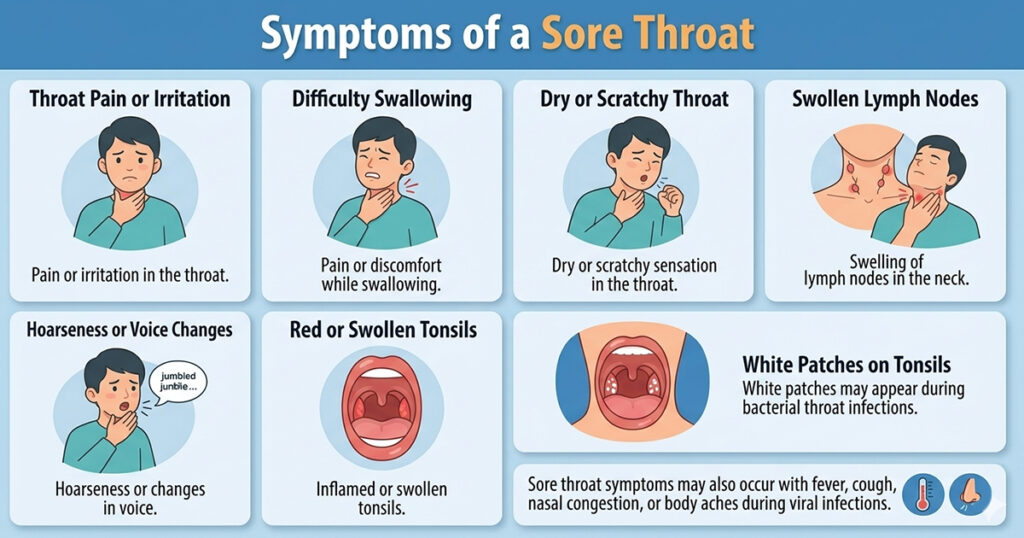
The symptoms of a sore throat can vary depending on the cause and severity of the inflammation. Typical symptoms include:
- Pain or irritation in the throat
- Difficulty swallowing
- Scratchy or dry sensation in the throat
- Swollen lymph nodes in the neck
- Hoarseness or voice changes
- Red or swollen tonsils
- White patches on the tonsils in bacterial infections
In some cases, a sore throat may also occur alongside fever, cough, nasal congestion, or body aches, especially when caused by viral respiratory infections. If symptoms become severe or persistent, it’s important to seek immediate care at an ER near me.
How Long Does a Sore Throat Last?
Many people wonder how long a sore throat lasts after symptoms first appear. In general, the duration depends largely on the underlying cause. Most mild sore throats caused by viral infections improve within 3 to 7 days. However, certain infections or medical conditions can cause symptoms to persist longer. If your sore throat is severe, lasts more than a week, or is accompanied by high fever or difficulty breathing, it’s important to seek care at an emergency room for pediatrics.
Sore Throat Duration for Different Conditions
- Common Cold: A sore throat related to the common cold typically lasts 3 to 5 days. It often appears early in the illness and improves as congestion and other symptoms resolve.
- Influenza (Flu): When the flu causes throat inflammation, the discomfort may last 5 to 7 days and is often accompanied by fever, body aches, and fatigue.
- Strep Throat: Bacterial infections such as strep throat may cause a sore throat lasting 7 to 10 days without treatment. With antibiotics, symptoms usually improve within 24 to 48 hours.
- Allergies: Allergy-related throat irritation can last days or weeks, especially during seasonal allergy flare-ups. The symptoms typically improve once exposure to allergens is reduced.
- Environmental Irritants: Dry air, smoke exposure, or excessive voice use can lead to throat irritation that usually improves within 1 to 3 days after the irritant is removed.
Because sore throat duration varies based on the cause, persistent symptoms lasting longer than a week may require medical evaluation at Neighbors Emergency Center.
Causes of a Sore Throat
Understanding the cause of a sore throat can help determine the most effective treatment and expected recovery time.
- Viral Infections: Viruses are the most common cause of sore throats. Illnesses such as the common cold, flu, and other respiratory infections can inflame throat tissues and cause discomfort.
- Bacterial Infections: Certain bacteria, particularly those responsible for strep throat, can lead to severe throat pain, fever, and swollen tonsils that often require antibiotics.
- Allergies: Seasonal or environmental allergies can irritate the throat due to postnasal drip, causing persistent dryness and inflammation.
- Dry Air or Irritants: Exposure to smoke, pollution, or dry indoor air can irritate the throat lining and cause temporary soreness.
- Acid Reflux: Stomach acid that travels up into the throat can irritate tissues and cause chronic throat discomfort, especially in the morning.
For children experiencing severe or persistent throat pain, fever, or difficulty swallowing, it’s important to visit an emergency room for pediatrics to ensure prompt evaluation and care.
Sore Throat Medical Treatments
Treatment depends on the cause of the symptoms. In many cases, the goal is to reduce inflammation and relieve discomfort while the body recovers.
- Pain Relievers: Over-the-counter medications such as acetaminophen or ibuprofen are commonly used as sore throat medicine to reduce pain and inflammation.
- Throat Lozenges: Medicated lozenges can soothe throat tissues and provide temporary relief from irritation.
- Antibiotics: If a bacterial infection, such as strep throat, is confirmed, doctors may prescribe antibiotics to eliminate the infection and shorten recovery time.
- Prescription Treatments: In severe cases involving significant inflammation or infection, physicians may recommend stronger medications or further diagnostic testing.
For persistent or severe sore throat symptoms, visiting Neighbors Emergency Center can provide prompt evaluation and advanced care.
Sore Throat Remedies at Home
Many mild sore throats can be managed with simple sore throat remedies that help reduce irritation and support healing.
- Warm Saltwater Gargles: Gargling with warm salt water can reduce inflammation and help clear mucus from the throat.
- Hydration: Drinking plenty of fluids helps keep throat tissues moist and reduces irritation.
- Humidified Air: Using a humidifier can add moisture to dry indoor air and soothe inflamed throat tissues.
- Warm Liquids: Herbal teas, broths, and warm water with honey can help calm throat irritation and provide comfort.
- Resting the Voice: Avoiding excessive talking or shouting allows the throat tissues to recover more quickly.
These remedies can help people wondering how to get rid of a sore throat faster while the body’s immune system fights the underlying cause.
When to Seek Medical Care for a Sore Throat
While most sore throats resolve without complications, certain symptoms may indicate a more serious infection that requires medical evaluation. Seek medical attention if you experience:
- Severe throat pain that lasts more than 7 days
- Difficulty swallowing or breathing
- Fever higher than 101°F
- Swollen tonsils with white patches
- Persistent hoarseness lasting longer than two weeks
- Rash or joint pain accompanying the sore throat
Prompt evaluation can help determine whether infections such as strep throat or other conditions require specific treatment.
Expert Sore Throat Care at Neighbors Emergency Center
If you are experiencing severe throat pain or wondering how long does a sore throat last, it is important to understand that persistent symptoms may indicate a bacterial infection or another underlying medical condition. Early evaluation can help determine the cause and guide effective treatment.
At Neighbors Emergency Center, medical professionals provide prompt evaluation and care for throat infections, severe pain, and other urgent symptoms. Whether your condition requires medication, diagnostic testing, or supportive care, the medical team is equipped to help you recover safely and comfortably.
Key Takeaway
- Sore throats are common: Often caused by viral infections, allergies, or irritation.
- Typical sore throat duration: Most cases improve within 3 to 7 days.
- Underlying cause matters: Viral infections resolve faster than bacterial ones.
- Relief options are available: Both medical treatments and natural sore throat remedies can help reduce discomfort.
- Persistent symptoms need evaluation: Severe or prolonged sore throats may indicate infection requiring treatment.
- Early care helps recovery: Proper diagnosis ensures the right sore throat medicine is used when necessary.
FAQs
How long does a sore throat last without treatment?
Most viral sore throats improve within 3–7 days without medical treatment. Bacterial infections or allergies may cause symptoms to last longer and may require additional care. Managing symptoms with home remedies can also help speed recovery and reduce discomfort.
Is a sore throat contagious?
Yes, a sore throat can be contagious if caused by viral or bacterial infections, including the common cold, flu, or strep throat. It can spread through coughing, sneezing, or close contact with an infected person. Practicing good hygiene and avoiding close contact can help prevent transmission.
How do you soothe a sore throat?
Warm beverages, saltwater gargles, throat lozenges, and staying hydrated can help reduce throat pain and irritation. Resting the voice and using a humidifier may also support faster recovery. Combining these remedies consistently can provide more effective and lasting relief.