
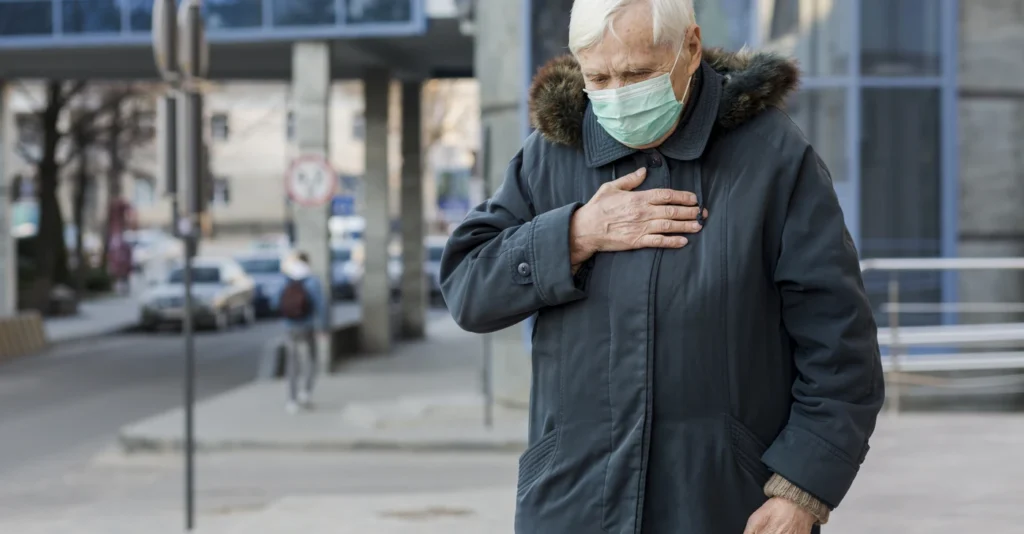
Pneumonia itself is not contagious, but the viruses and bacteria that can trigger it may spread from person to person. This distinction is important, as many people confuse catching pneumonia with catching the germs that can lead to it. Is Pneumonia Contagious a common question, but the real concern is understanding how respiratory infections behave and why only some people develop pneumonia after exposure.
Knowing how pneumonia develops helps reduce fear and encourages timely care. Age, immune system strength, chronic illness, and recent respiratory infections all influence who is at risk. If breathing problems, fever, or fatigue worsen, our Amarillo emergency room is ready to provide prompt evaluation and compassionate treatment.
What Is Pneumonia
Pneumonia is an infection of the lungs that causes inflammation in the air sacs, which may fill with fluid or pus, making breathing difficult. It can affect one or both lungs and ranges from mild to life-threatening. Pneumonia can be caused by bacteria, viruses, or fungi, and its severity depends on the type of pathogen and the patient’s overall health.
A large NIH-published study found that viruses were detected in 46.4% of community-acquired pneumonia cases, while bacteria were identified in 14.4%, showing that pneumonia often develops from common respiratory infections rather than direct transmission.
What Are The Symptoms Of Pneumonia
- Persistent cough that may produce mucus.
- Fever and chills.
- Shortness of breath or rapid breathing.
- Chest pain that worsens with coughing or deep breaths.
- Fatigue and weakness.
- Headache or body aches.
- Nausea, vomiting, or diarrhea.
How Do You Get Pneumonia
Pneumonia occurs when germs reach the lungs and overwhelm the immune system. Most people are exposed to respiratory bacteria or viruses regularly, but only some develop pneumonia, often after a cold, flu, or other infection weakens lung defenses. Common ways pneumonia occurs include:
- Respiratory Infections: Viruses or bacteria from colds or flu can move from the upper respiratory tract into the lungs, leading to inflammation and infection.
- Weakened Immune System: Older adults, infants, and people with chronic illnesses or compromised immunity are more likely to develop pneumonia after exposure.
- Healthcare-Associated Exposure: Pneumonia can develop during hospital stays, particularly in people using ventilators or recovering from major illness.
- Aspiration Into The Lungs: Inhaling food, liquids, or stomach contents into the lungs can cause aspiration pneumonia, especially in people with swallowing difficulties.
How Long Is Pneumonia Contagious
Since pneumonia itself isn’t contagious, the contagious period depends on the underlying germ, not the lung infection. Generally, germs can spread before treatment begins and while symptoms like fever or cough are present. Typical contagious periods by type include:
- Bacterial Pneumonia: Once effective antibiotics are started, most people are no longer contagious after about 48 hours, especially when the fever improves.
- Viral Pneumonia: Viruses may be spread from 1–2 days before symptoms begin and for several days after, depending on the virus and immune response.
- Walking Pneumonia (Mycoplasma): This mild form can be contagious for weeks, particularly if untreated, due to slow-spreading bacteria.
- Fungal Pneumonia: Fungal pneumonias do not spread from person to person and are not considered contagious.
How Long Does Pneumonia Last
Recovery time depends on the cause, severity, and individual health. Most people start feeling better within a few days of treatment, though fatigue or cough may persist. Typical recovery timelines include:
- Bacterial Pneumonia: Symptoms often improve within 1–3 days of antibiotics, with full recovery in 1–3 weeks.
- Viral Pneumonia: Recovery usually takes 1–3 weeks, though cough and tiredness may persist longer.
- Walking Pneumonia: Mild symptoms can last several weeks, even though daily activities may continue.
- Fungal Pneumonia: Treatment and recovery may take months, particularly in people with weakened immune systems.
Is Pneumonia Deadly
Pneumonia can be serious and potentially life-threatening for infants, older adults, or people with chronic conditions. Early recognition and treatment reduce complications and improve outcomes. Seek immediate medical care if any of the following occur:
- Severe or worsening shortness of breath.
- Persistent high fever or shaking chills.
- Confusion or difficulty staying awake.
- Chest pain with breathing.
- Bluish lips or fingertips.
If these warning signs appear, prompt evaluation at Neighbors Emergency Center can be lifesaving.
How To Treat Pneumonia
Treatment depends on the pneumonia type and severity. Most mild cases can be managed at home, but severe infections may require hospitalization. Early intervention improves recovery and reduces complications. Common treatment approaches include:
- Antibiotics: Used for bacterial pneumonia; most doctors recommend completing the full course even if symptoms improve early.
- Antiviral Medications: Prescribed for certain viral pneumonias, especially influenza-related cases; most doctors recommend early use for best results.
- Antifungal Medications: Required for fungal pneumonia; most doctors recommend targeted therapy based on the specific organism.
- Over-The-Counter Medications: Fever reducers and pain relievers help manage symptoms; most doctors recommend using them as directed.
- Oxygen Therapy: Provided when oxygen levels are low to support breathing and recovery.
- Fluids and Rest: Staying hydrated and resting allows the immune system to heal more effectively.
- Supportive Therapies: Humidifiers, breathing exercises, and coughing techniques may help loosen mucus and ease breathing.
Pneumonia Care at Neighbors Emergency Center
Many people wonder, “Is Pneumonia Contagious?” While the infection itself isn’t, the germs that can cause it may spread. Prompt evaluation is important if symptoms like fever, cough, or shortness of breath appear. At Neighbors Emergency Center, our team provides fast and thorough assessments to identify the cause and guide effective treatment.
If you or a loved one experiences respiratory symptoms, seeking emergency care can make all the difference. Neighbors Emergency Center offers timely care, practical guidance, and supportive treatment to manage pneumonia and related illnesses, ensuring both safety and peace of mind.