
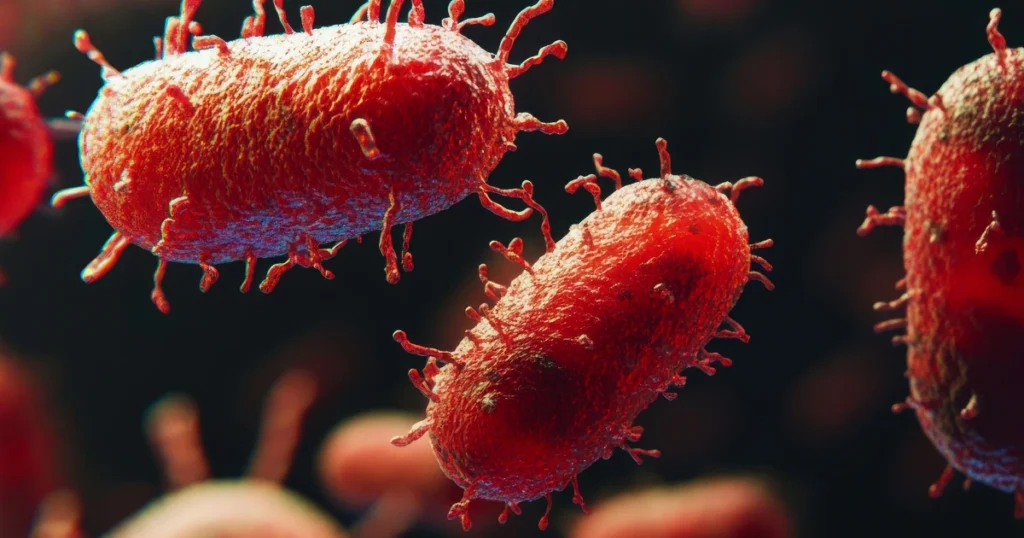
Bacterial infections are caused by harmful bacteria that enter the body and multiply in tissues or organs. Some bacterial infections are contagious, meaning they can spread from one person to another. However, not every bacterial infection can be transmitted between people.
The way a bacterial infection spreads depends on the type of bacteria and where the infection occurs. Bacteria may spread through respiratory droplets, direct contact, contaminated food or water, infected wounds, or contaminated surfaces. Understanding these transmission routes can help reduce the risk of infection. If you develop symptoms of a bacterial infection that requires prompt medical attention, visit a porter emergency room for evaluation.
Are Bacterial Infections Contagious?
Yes, some bacterial infections are contagious, while others are not. Infections such as strep throat, whooping cough, bacterial meningitis, and certain skin infections can spread between people under specific circumstances.
Other bacterial infections develop when bacteria that are already present in or on the body multiply excessively or enter areas where they do not normally belong. These infections are generally not considered contagious from person to person.
Whether an infection spreads also depends on the specific bacteria, the route of transmission, the amount of exposure, and whether appropriate treatment has started.
Common Symptoms of Bacterial Infections
Symptoms vary depending on the type of bacteria and the part of the body affected. Common symptoms may include:
- Fever or chills
- Fatigue or weakness
- Swollen or tender areas
- Redness or warmth around an infected area
- Pain or tenderness
- Cough or sore throat
- Swollen lymph nodes
- Pus or drainage from an infected wound
- Nausea, vomiting, or diarrhea
- Burning or pain during urination
Some bacterial infections cause mild symptoms, while others can become serious and affect multiple parts of the body. If you develop a persistent or high fever with other concerning symptoms, seek urgent care for high fever for prompt evaluation.
Types of Bacterial Infections
Bacterial infections can affect many different parts of the body. Common examples include:
- Respiratory infections: Bacterial infections such as strep throat and some forms of pneumonia can affect the throat and lungs.
- Skin infections: Cellulitis, impetigo, and infected wounds can develop when bacteria enter the skin.
- Urinary tract infections: Bacteria can infect the bladder, urethra, or other parts of the urinary system.
- Gastrointestinal infections: Certain bacteria can cause foodborne illnesses involving the stomach and intestines.
- Ear infections: Some middle-ear infections are caused by bacteria.
- Bacterial meningitis: This serious infection affects the membranes surrounding the brain and spinal cord.
- Bloodstream infections: Bacteria entering the bloodstream can cause a serious systemic infection.
Not all infections within these categories are contagious. Their ability to spread depends on the specific bacteria and how the infection is transmitted.
How Do Bacterial Infections Spread?
Bacteria can spread through several different routes. The transmission method depends on the infection and the bacteria responsible for it.
Close Personal Contact
Some bacterial infections spread through close physical contact with an infected person. Direct contact with infected skin, wounds, or bodily fluids can transfer bacteria to another person.
This can occur when bacteria enter the body through cuts, irritated skin, or other openings. Avoiding contact with infected areas and practicing good hand hygiene can reduce the risk of transmission.
Respiratory Droplets
Certain bacterial infections spread when an infected person coughs, sneezes, or talks. Respiratory droplets containing bacteria may reach another person’s nose, mouth, or eyes.
Close contact can increase the likelihood of exposure, particularly in crowded or poorly ventilated environments. Covering coughs and sneezes and washing hands regularly can help limit the spread.
Contaminated Food or Water
Some bacteria spread when contaminated food or water is consumed. Improper food handling, inadequate cooking, or contaminated water can allow bacteria to enter the digestive system.
Foodborne bacterial infections may cause symptoms such as diarrhea, abdominal cramps, nausea, vomiting, and fever. Safe food preparation and proper handwashing can help prevent these infections.
Contaminated Surfaces and Objects
Some bacteria can remain on surfaces or objects for varying periods of time. Touching a contaminated object and then touching the mouth, nose, or eyes can potentially transfer bacteria.
Regular handwashing is especially important after touching frequently handled surfaces or objects shared with others.
Infected Wounds or Skin
Bacteria can spread through contact with infected wounds, drainage, or contaminated materials. This is particularly important with certain skin infections.
Keeping wounds clean and covered and avoiding the sharing of towels, clothing, or personal items can help reduce transmission.
Sexual Contact
Certain bacterial infections can spread through sexual contact. Sexually transmitted bacterial infections may pass between partners through vaginal, oral, or anal sexual activity.
Using barrier protection and receiving appropriate testing and treatment can help reduce the risk of transmission.
What Causes Bacterial Infections?
Bacterial infections occur when harmful bacteria enter the body, multiply, and overcome the body’s defenses. The bacteria may enter through the respiratory tract, digestive system, urinary tract, broken skin, or other pathways.
Exposure to bacteria does not always result in infection. A person’s immune response, the type and amount of bacteria involved, and the location where the bacteria enter the body can all affect whether an infection develops. Common ways bacteria can enter the body include:
- Breathing in respiratory droplets
- Eating contaminated food
- Drinking contaminated water
- Touching infected skin or wounds
- Bacteria entering cuts or other breaks in the skin
- Sexual contact
- Contact with contaminated objects or surfaces
- Bacteria spreading from another infection within the body
How Long Are Bacterial Infections Contagious?
There is no single contagious period for all bacterial infections. The length of time a person can spread bacteria depends on the specific infection, whether treatment has started, and how the bacteria are transmitted.
For some infections, appropriate antibiotics can significantly reduce the ability to spread the bacteria. However, this varies by infection, so people should follow their healthcare provider’s instructions about treatment and returning to normal activities.
If you have been diagnosed with a contagious bacterial infection, ask your healthcare provider how long you may remain infectious and what precautions you should take. If you’re searching for an emergency room near me for prompt evaluation, visit us for care.
How to Prevent the Spread of Bacterial Infections
Several everyday precautions can help reduce the spread of contagious bacterial infections:
- Wash your hands regularly with soap and water.
- Cover coughs and sneezes with a tissue or your elbow.
- Avoid close contact with people who are sick when possible.
- Do not share utensils, drinks, towels, toothbrushes, or other personal items.
- Keep cuts and wounds clean and covered.
- Handle and cook food safely.
- Drink safe, treated water.
- Clean frequently touched surfaces when appropriate.
- Practice safer sex and use barrier protection.
- Take prescribed antibiotics exactly as directed.
- Do not share antibiotics with other people or use leftover medication.
Good hygiene and appropriate treatment can help reduce transmission while also supporting responsible antibiotic use.
How Are Bacterial Infections Treated?
Treatment depends on the type of bacterial infection, where it occurs, and how severe it is. Some bacterial infections may require antibiotics, while others can improve with supportive care and monitoring.
When antibiotics are prescribed, taking the medication exactly as directed is important. Stopping treatment early, skipping doses, or using antibiotics unnecessarily can contribute to antibiotic resistance.
A healthcare professional may perform an examination or order testing to determine whether bacteria are causing the infection and which treatment may be appropriate. If you’re looking for an ER wait time before seeking care, check the current wait time when planning your visit.
When Should You Seek Medical Care?
Mild bacterial infections may sometimes be managed with routine medical care, but certain symptoms require prompt evaluation. Seek medical attention if an infection is worsening, persistent, or causing significant symptoms. Emergency medical care may be needed for signs of a potentially serious infection, such as:
- Difficulty breathing
- Confusion or unusual difficulty staying awake
- Severe weakness
- Severe or rapidly worsening pain
- Persistent high fever
- Rapid swelling or redness spreading around an infected area
- Severe dehydration
- Fainting or significant dizziness
- Signs of a serious bloodstream infection
Prompt evaluation can help identify the cause of an infection and determine whether treatment is necessary.
Get Care for a Possible Bacterial Infection
If you develop symptoms that may indicate a bacterial infection, timely medical evaluation can help determine the cause and appropriate treatment. We provide emergency evaluation for infections and other conditions requiring prompt care.
For urgent medical needs at any time, a 24/7 emergency room can provide access to emergency evaluation. Neighbors Emergency Center is available for emergency care when you need prompt medical attention.
Key Takeaways
- Some bacterial infections are contagious, while others develop from bacteria already present in the body and do not spread between people.
- Bacterial infections can spread through close contact, respiratory droplets, contaminated food or water, surfaces, infected wounds, and sexual contact.
- Common symptoms include fever, chills, pain, swelling, redness, fatigue, cough, digestive symptoms, and urinary discomfort, depending on the infection.
- Good hand hygiene, safe food handling, wound care, and avoiding shared personal items can help reduce bacterial transmission.
- Severe symptoms such as difficulty breathing, confusion, persistent high fever, severe weakness, or rapidly worsening pain require prompt medical evaluation.