
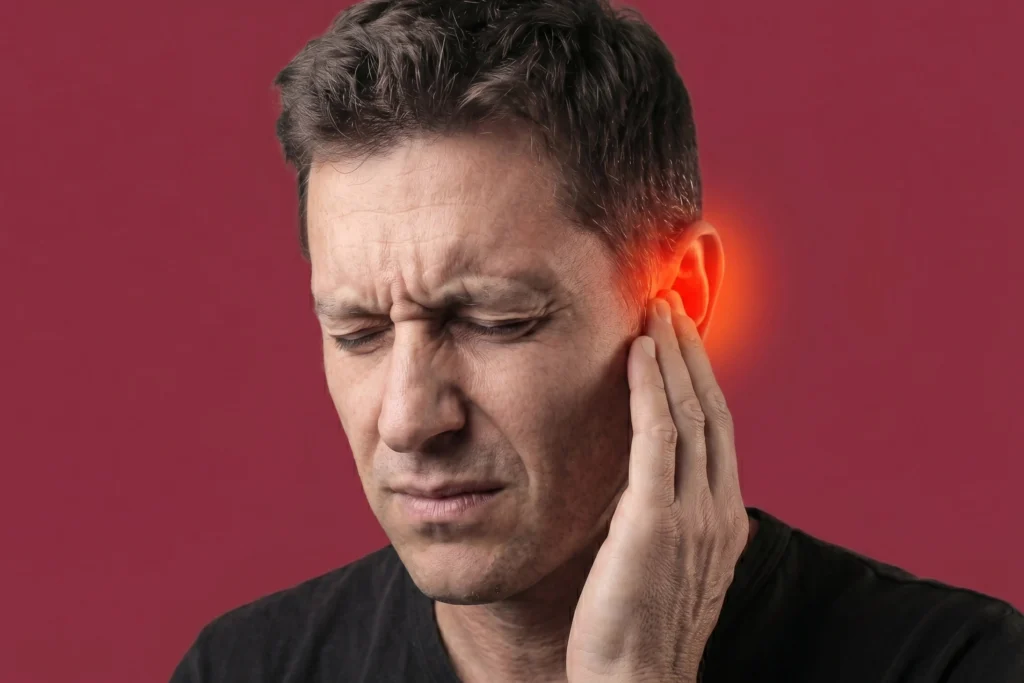
Living with sudden ear discomfort or worrying changes in your hearing can be unsettling. Whether it happens during a flight, after an illness, or unexpectedly, the experience can leave you feeling anxious and unsure about what to do next. Concerns about pain, communication, and daily activities often add to the stress.
When ear symptoms appear suddenly or worsen quickly, prompt medical attention may be important. Delaying care can increase the risk of complications, including infection or lasting hearing problems. Visit our ER Pasadena, TX, for timely evaluation and treatment to protect your hearing and support recovery.
What Does A Ruptured Eardrum Feel Like?
A ruptured eardrum often causes a sudden, sharp ear pain that may quickly lessen once the eardrum tears. Many people describe a popping sensation followed by muffled hearing, ear fullness, ringing in the ear (tinnitus), or fluid draining from the ear. Some individuals also experience dizziness, balance problems, or nausea if the inner ear is affected. The exact sensation can vary depending on the size of the perforation and its underlying cause.
A study published in the NIH’s PubMed Central (PMC) found that hearing loss was documented in 100% of patients with tympanic membrane perforation, highlighting how commonly hearing changes occur with a ruptured eardrum.
Dangerous Eardrum Rupture Signs To Watch For
- Sudden Hearing Loss: A noticeable drop in hearing after an injury, infection, or pressure change may indicate a ruptured eardrum and should be evaluated promptly.
- Severe Ear Pain: Intense or worsening ear pain can signal significant ear damage or infection requiring medical attention.
- Ear Drainage: Blood, pus, or fluid leaking from the ear may be a sign of a perforated eardrum or infection.
- Ringing In The Ear (Tinnitus): Sudden ringing, buzzing, or humming sounds can occur when the eardrum is damaged.
- Dizziness Or Vertigo: Balance problems, spinning sensations, or nausea may indicate that the inner ear is affected.
- Persistent Ear Pressure: Ongoing fullness or pressure in the ear may suggest a perforation or underlying infection.
- Fever With Ear Symptoms: Fever combined with ear pain, drainage, or hearing changes may indicate a serious infection.
- Facial Weakness Or Numbness: Facial drooping or numbness is uncommon but requires immediate medical evaluation.
If you experience any of these warning signs, timely evaluation is important to prevent complications and protect your hearing. Our earache emergency room provides prompt assessment and care for severe ear pain, infections, and eardrum-related concerns.
What Causes A Ruptured Eardrum?
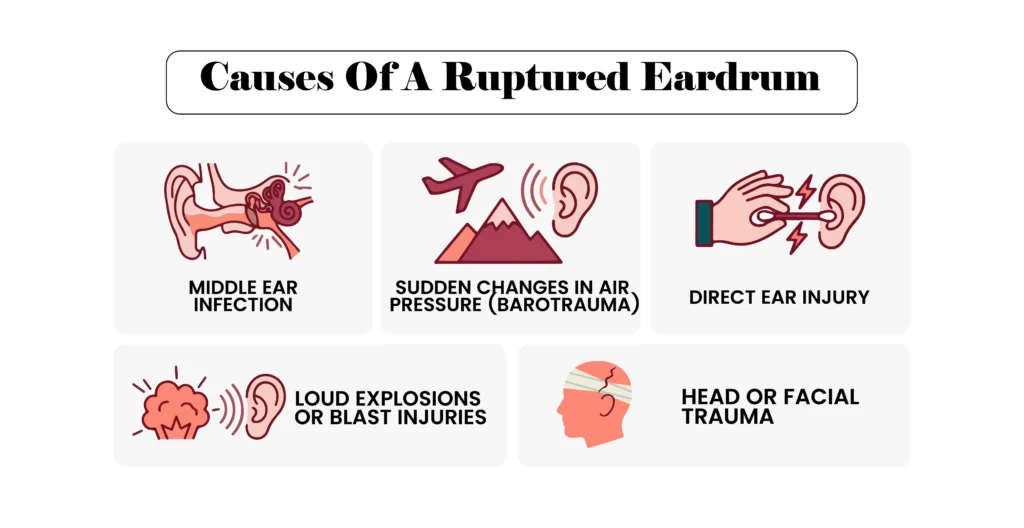
Learning that you may have a ruptured eardrum can be concerning, especially when symptoms appear suddenly and affect your hearing or balance. The eardrum is a delicate structure that can be damaged when excessive force, pressure, or inflammation affects the ear.
Middle Ear Infections
Middle ear infections are one of the most common causes of a ruptured eardrum. When infection causes fluid and pus to build up behind the eardrum, pressure inside the middle ear can increase significantly. If the pressure becomes too great, the eardrum may tear to release it. This often leads to sudden pain relief but may be followed by ear drainage and hearing changes.
Also Read: Ear Infections in Babies and Children
Sudden Changes In Air Pressure (Barotrauma)
Rapid pressure changes can place stress on the eardrum and cause it to rupture. This may occur during air travel, scuba diving, driving through mountains, or exposure to blasts. When the pressure inside and outside the ear cannot equalize properly, the eardrum may stretch and tear. Symptoms often develop suddenly and may include pain, hearing loss, and dizziness.
Direct Ear Injury
Inserting objects into the ear canal can accidentally damage the eardrum. Cotton swabs, hairpins, earbuds, and other objects pushed too deeply into the ear can puncture the delicate membrane. Even minor trauma can create a perforation and increase the risk of infection. Medical evaluation is recommended whenever ear injury is suspected.
Loud Explosive Noises
Extremely loud sounds can generate powerful pressure waves that damage the eardrum. Fireworks, explosions, gunshots, and other intense noise exposures may cause the membrane to tear. In addition to ear pain, people often experience ringing in the ear and sudden hearing loss. Immediate assessment is important after any significant acoustic trauma.
Head Or Facial Trauma
A severe blow to the head or face can injure the structures of the ear, including the eardrum. Motor vehicle accidents, sports injuries, and falls are common examples of trauma that may result in a perforation. Depending on the severity of the injury, symptoms may include bleeding, dizziness, hearing changes, or balance problems. These injuries require prompt medical attention.
When To Go To The ER For A Ruptured Eardrum
While many small eardrum perforations heal on their own, some symptoms may indicate a serious injury, infection, or damage to deeper ear structures. Seeking emergency medical care can help prevent complications such as permanent hearing loss, severe infection, or ongoing balance problems.
- Sudden or severe hearing loss.
- Heavy bleeding or significant fluid drainage from the ear.
- Severe ear pain that does not improve.
- Intense dizziness, vertigo, or difficulty walking.
- Facial weakness, drooping, or numbness.
- High fever along with ear pain or drainage.
- Symptoms after a major head injury or trauma.
- Persistent nausea or vomiting with dizziness.
- A loud explosion, blast injury, or acoustic trauma followed by ear symptoms.
- Worsening symptoms despite treatment or home care.
If you experience any of these serious symptoms, do not delay medical care. Visit the closest emergency room near me for prompt evaluation and treatment to protect your hearing and prevent further complications.
Ruptured Eardrum Treatment
A ruptured eardrum can be painful and concerning, especially when it affects hearing or daily activities. Many cases heal with proper care, but treatment depends on the size of the tear, cause, and presence of infection. Early medical evaluation can help support healing and prevent complications.
- Observation And Monitoring: Many small perforations heal naturally within weeks. Doctors may monitor the ear to ensure proper recovery and prevent complications.
- Keeping The Ear Dry: Avoiding water exposure helps protect the healing eardrum. Use ear protection while bathing and avoid swimming until cleared.
- Over-The-Counter Pain Relievers: Most doctors recommend acetaminophen (Tylenol) or ibuprofen (Advil, Motrin) to relieve ear pain. Use only as directed on the label.
- Antibiotic Ear Drops: If infection is present, most doctors recommend prescription antibiotic ear drops to treat bacteria and support healing.
- Oral Antibiotics: For certain infections, most doctors recommend oral antibiotics to control the infection and reduce complications.
- Eardrum Patching: A doctor may place a patch over the tear if it does not heal. This helps the eardrum repair itself.
- Tympanoplasty Surgery: Larger or persistent holes may require surgery to repair the eardrum using a tissue graft.
- Hearing Tests And Follow-Up: Hearing evaluations help track recovery and ensure the ear is healing properly.
Ruptured Eardrum Care At Neighbors Emergency Center
Recognizing ear symptoms early is important because a ruptured eardrum can affect hearing, comfort, and overall ear health. Delaying evaluation may increase the risk of infection, worsening pain, or complications that require further treatment. With our ER wait time of 9 minutes, patients can receive timely evaluation and care without unnecessary delays.
At Neighbors Emergency Center, patients receive timely evaluation and care for a ruptured eardrum (Perforated Eardrum). Our medical team focuses on identifying the cause, managing symptoms, protecting your hearing, and providing the right treatment plan for a safe recovery.
Key Takeaways
- A ruptured eardrum (perforated eardrum) is a tear or hole in the eardrum that can affect hearing, balance, and ear health.
- Common signs include sudden ear pain, hearing loss, ear drainage, ringing in the ear, dizziness, and a feeling of fullness or pressure.
- Middle ear infections, pressure changes, loud noises, direct ear injuries, and head trauma are common causes of eardrum rupture.
- Many small eardrum perforations heal naturally with proper care, but medical evaluation may be needed to prevent complications.
- Keeping the ear dry, avoiding inserting objects into the ear, and following treatment recommendations can support healing.
- Emergency care is important for severe hearing loss, heavy drainage, major trauma, severe dizziness, or worsening symptoms.
Frequently Asked Questions
What Side Should I Sleep On With A Ruptured Eardrum?
It is usually recommended to sleep with the affected ear facing upward to reduce pressure and prevent fluid from accumulating in the ear canal. Keeping your head slightly elevated can also help improve comfort and drainage. Always follow your doctor’s specific advice based on your condition.
Is A Ruptured Eardrum Painful?
Yes, it can be painful, especially at the moment the eardrum tears, when a sudden sharp pain may occur. Afterward, the pain may lessen but is often accompanied by muffled hearing, ringing (tinnitus), dizziness, or ear discharge. The severity of pain varies depending on the cause and extent of the rupture.
How Long Does A Ruptured Eardrum Take To Heal?
Healing time can range from a few weeks to a few months, depending on the size and cause of the perforation. Smaller tears often close on their own, while larger ones may take longer or need medical intervention. Regular check-ups are important to ensure proper healing and prevent complications.
Can A Ruptured Eardrum Heal On Its Own?
Yes, many ruptured eardrums heal naturally without surgery, especially if they are small and kept clean and dry. Avoiding water exposure and following medical guidance can support recovery. However, larger or infected perforations may require medical treatment to fully heal.
Do Ear Infections Go Away On Their Own?
Not always. Some mild ear infections, especially viral ones, can resolve on their own. However, bacterial infections or persistent symptoms may require medical treatment. If symptoms are severe, last more than 2–3 days, or include high fever, worsening pain, or ear drainage, seek medical care promptly.