

If you’ve ever felt the strong urge to urinate but found yourself unable to pass urine or only able to pass a few drops, it can be uncomfortable, confusing, and even alarming. This sensation is often linked to a condition called urinary retention, where the bladder does not empty completely or at all. It can affect both men and women and may appear suddenly or develop gradually over time. In some cases, it is related to blockage, nerve problems, infection, or medication side effects.
Urinary retention is not something to ignore, especially when it comes on suddenly or is accompanied by pain, swelling in the lower abdomen, or a feeling of pressure. In acute cases, it can become a medical emergency because the bladder continues to fill but cannot empty, increasing the risk of infection and kidney damage. If you are experiencing these symptoms in the Baytown area, visiting an emergency room Baytown, TX, promptly ensures the cause is identified and treated before serious complications have a chance to develop.
What Causes Urinary Retention
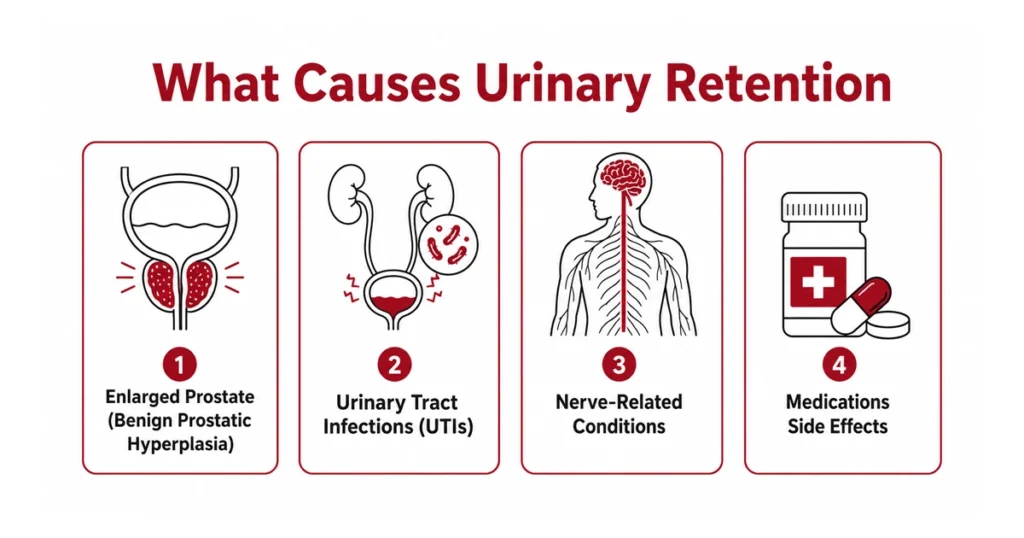
Urinary retention happens when the normal flow of urine is blocked or disrupted, preventing the bladder from emptying. This can develop suddenly or gradually and may be linked to a variety of underlying health issues. In some cases, it is temporary, while in others it may indicate a more serious urological emergency that requires immediate medical evaluation to prevent complications from developing further.
1. Enlarged Prostate (Benign Prostatic Hyperplasia)
One of the most common causes of urinary retention in men is an enlarged prostate. As the prostate gland grows, it can press against the urethra and restrict urine flow. This makes it harder to start urination or fully empty the bladder. Over time, symptoms may gradually worsen and lead to significant discomfort or repeated urinary issues.
2. Urinary Tract Infections (UTIs)
Infections in the urinary tract can cause inflammation and swelling that interfere with normal urine flow. This irritation may lead to pain, burning sensation, and difficulty passing urine. In some cases, severe infections can temporarily block the bladder from emptying properly. If left untreated, UTIs can progress and increase the risk of retention.
Also read: Can a UTI Cause Nausea?
3. Nerve-Related Conditions
Conditions that affect the nerves controlling the bladder can disrupt the signals needed for urination. Diseases such as diabetes, multiple sclerosis, or spinal cord injuries may weaken bladder control. When nerve communication is affected, the bladder may not contract properly to release urine. This can result in partial or complete urinary retention.
4. Medications Side Effects
Certain medications can interfere with bladder function and lead to urinary retention. Drugs used for allergies, depression, pain relief, or muscle relaxation may affect the nerves or muscles involved in urination. This can make it difficult for the bladder to contract or for the urethra to stay open. In some cases, adjusting the medication under medical supervision can help improve symptoms.
Dangerous Urinary Retention Symptoms
Urinary retention can become serious when urine builds up in the bladder and normal flow is blocked. Recognizing early warning signs is important because delayed care can increase the risk of infection, kidney strain, and severe discomfort. If any of the following symptoms appear suddenly or worsen, visit a 24/7 emergency room without delay.
- Inability To Urinate: Sudden inability to pass urine even with a strong urge. The bladder continues to fill, creating increasing pressure in the lower abdomen. This situation requires urgent medical evaluation.
- Lower Abdominal Pain Or Pressure: Persistent pain, tightness, or heaviness in the lower stomach area. Discomfort often intensifies as the bladder becomes more distended. It may interfere with normal movement and daily comfort.
- Frequent Urge With Little Or No Output: Repeated urge to urinate with only small drops or no urine passing. The sensation may continue despite repeated attempts. This pattern often indicates worsening blockage or dysfunction.
- Swelling In The Lower Abdomen: Noticeable fullness or bulging in the lower abdominal region. The area may feel firm or tender on touch. This can signal significant urine accumulation in the bladder.
- Pain Or Burning During Urination Attempts: Discomfort or burning sensation when trying to pass urine. Symptoms may become more intense if urine remains trapped for longer periods. It can be associated with irritation or underlying infection.
When To Go To The ER
Urinary retention can escalate quickly and become a medical emergency when the bladder is unable to empty or when symptoms worsen suddenly. Delaying care in these situations can increase the risk of severe pain, infection, or kidney complications. If any of the following warning signs appear, visit the Baytown ER immediately without waiting for symptoms to resolve on their own.
- Inability To Urinate Even With Strong Urge.
- Severe Lower Abdominal Pain Or Increasing Pressure.
- Visible Swelling Or Hardness In The Lower Abdomen.
- Fever, Chills, Or Signs Of Infection Along With Urinary Problems.
- Confusion, Weakness, Or Sudden Worsening Of Symptoms.
- Blood In Urine Or Severe Burning Sensation During Attempts To Urinate.
How To Treat Urinary Retention
Urinary retention requires proper medical evaluation because the underlying cause can vary widely from person to person. In many cases, timely treatment can relieve symptoms quickly and prevent complications such as infection or kidney stress. Management may involve short-term relief measures as well as long-term solutions depending on the severity.
- Over-The-Counter Medicines: Some OTC options may help ease discomfort or related urinary symptoms, but they do not directly resolve retention. These are sometimes used for mild associated issues like pain or inflammation. Most doctors recommend using them only as supportive relief and not as a primary treatment.
- Catheterization Procedure: A catheter may be inserted to immediately drain the bladder and relieve pressure. This is often used in acute cases where urine cannot pass at all. It provides quick relief and helps prevent complications from urine buildup.
- Prescription Medications: Doctors may prescribe medicines to relax bladder muscles or treat underlying causes such as prostate enlargement or infection. These help improve urine flow over time. Most doctors recommend these medications based on the exact cause of retention.
- Treatment Of Underlying Condition: Managing the root cause is essential for long-term relief, whether it is an infection, prostate issue, or nerve-related condition. Addressing the underlying problem helps prevent recurrence. Treatment plans vary depending on diagnosis and severity.
- Bladder Training And Lifestyle Adjustments: In some cases, scheduled urination and fluid management techniques may help improve bladder control. These methods support better bladder function over time. They are often recommended alongside medical treatment for best results.
Urinary Retention Care at Neighbors Emergency Center
Understanding urinary retention early is important because what may start as mild difficulty in urination can quickly progress into a painful and potentially serious condition. When the bladder is unable to empty properly, pressure builds and symptoms may worsen without timely care. In many cases, patients are unsure whether the issue will resolve on its own, but delayed attention can increase the risk of complications and discomfort.
At Neighbors Emergency Center, patients experiencing urinary retention symptoms receive prompt evaluation and focused emergency care to relieve bladder pressure and identify the underlying cause. Our medical team provides fast diagnosis, effective treatment options, and close monitoring to restore normal urine flow and prevent further complications. The goal is to ensure safe, timely relief while addressing the root cause for long-term urinary health.
Key Takeaways
- Urinary retention is the inability to fully or partially empty the bladder, which can become a medical emergency if sudden or severe.
- Common causes include enlarged prostate, urinary tract infections, nerve-related conditions, and certain medications.
- Warning signs include inability to urinate, lower abdominal pain, frequent urge with little output, swelling, and burning sensation.
- Severe symptoms like fever, blood in urine, or worsening abdominal pressure require immediate ER evaluation.
- Untreated urinary retention can lead to infection, kidney damage, and increasing bladder discomfort over time.
- Treatment depends on the cause and may include catheterization, medications, and management of underlying conditions.
- Prompt medical assessment is essential to restore urine flow and prevent complications.