
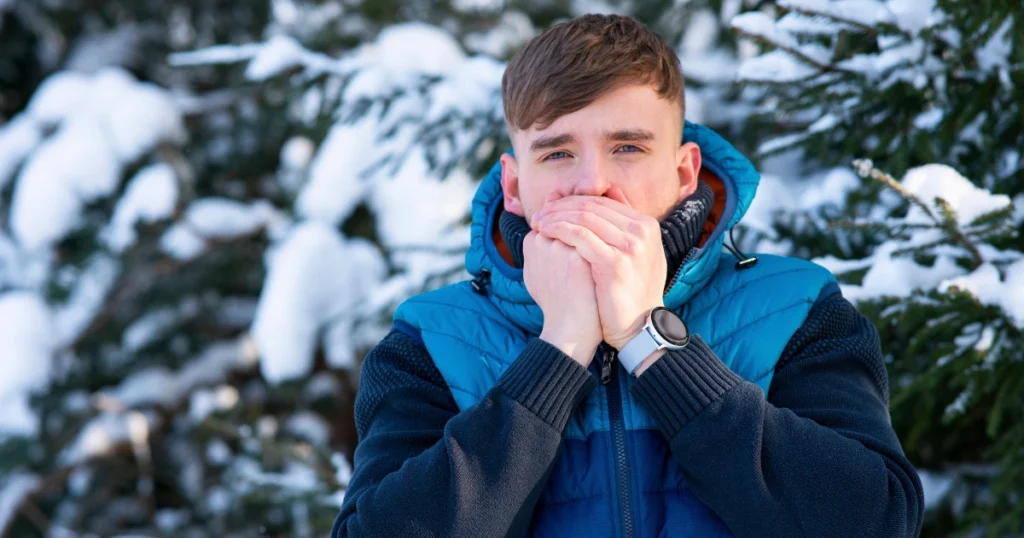
Hypothermia is a medical emergency that occurs when the body loses heat faster than it can produce it, causing the core body temperature to drop below 95°F (35°C). It can happen after prolonged exposure to cold temperatures, but cold water, wet clothing, and wind can also cause rapid heat loss.
Without prompt treatment, hypothermia can affect the brain, heart, breathing, and other vital organs. Recognizing the early symptoms and taking immediate steps to warm the person can help prevent the condition from becoming life-threatening. If you suspect hypothermia, visit a Lubbock emergency room for prompt medical care.
What Is Hypothermia?
Hypothermia occurs when the body’s internal temperature falls below its normal range because heat is being lost faster than it can be replaced. The condition can develop gradually or happen quickly depending on the environment and the person’s exposure.
Hypothermia can affect anyone exposed to cold conditions, including people outdoors, individuals who fall into cold water, and people who remain in cold indoor environments for extended periods.
How Does Hypothermia Happen?
The body normally maintains its temperature through processes such as shivering and regulating blood flow to the skin. During prolonged cold exposure, these mechanisms may not produce enough heat to keep the core temperature stable.
As body temperature continues to fall, normal responses can become impaired. Severe hypothermia can eventually interfere with heart rhythm, breathing, and brain function.
What Are the Symptoms of Hypothermia?
Hypothermia symptoms can develop gradually and become more severe as body temperature falls. Early signs may include shivering, cold or pale skin, tiredness, and difficulty performing normal tasks.
Recognizing dehydration symptoms can also be useful when evaluating someone exposed to challenging environmental conditions, as fluid loss and cold exposure can both affect how a person feels.
Early Symptoms
- Shivering
- Cold or pale skin
- Fatigue or unusual tiredness
- Clumsiness
- Trouble concentrating
- Confusion
- Slurred speech
- Increased sleepiness
These symptoms can worsen if the person remains exposed to the cold. Moving to a warm location and beginning appropriate first aid as quickly as possible is important.
Severe Symptoms
Severe hypothermia can cause serious changes in the body’s normal functions. Symptoms may include:
- Severe confusion
- Loss of coordination
- Slurred or difficult speech
- Weak or absent shivering
- Slow breathing
- Weak or irregular pulse
- Loss of consciousness
- Dilated pupils
- Cardiac arrest
A person with severe symptoms needs emergency medical treatment immediately. Handle them gently because severe hypothermia can make the heart particularly vulnerable to abnormal rhythms. If you or someone else is experiencing severe hypothermia symptoms, visit an emergency room near me for immediate medical care.
What Causes Hypothermia?
Hypothermia develops when the body loses heat faster than it can replace it. Cold temperatures are an obvious cause, but exposure to cold water, rain, wind, and wet clothing can significantly accelerate heat loss.
A person’s age, health, clothing, activity level, and ability to seek shelter can also affect how quickly hypothermia develops.
Cold Weather Exposure
Spending too much time in cold temperatures without adequate protection can cause body heat to drop. The risk increases when a person remains outdoors for an extended period or is unable to reach a warm environment.
Cold weather can become especially dangerous when temperatures are low enough to overwhelm the body’s ability to maintain its core temperature.
Cold Water Exposure
Cold water causes the body to lose heat much faster than cold air. Falling into cold water, swimming for too long, or remaining in wet conditions can therefore cause hypothermia even when the surrounding air does not feel extremely cold.
A person can also become hypothermic after leaving cold water if they remain wet and exposed to cold air or wind.
Wet Clothing and Rain
Wet clothing reduces the body’s ability to retain heat. Rain, snow, sweat, or immersion in water can leave clothing saturated and increase heat loss.
Changing into dry clothing and moving to a warm, sheltered location are important steps when someone has been exposed to cold and becomes wet.
Wind Exposure
Wind can increase heat loss from exposed skin and make cold conditions more dangerous. Strong winds can make the body lose heat more rapidly than it would in still air.
This is why adequate layers and protection from wind are important during prolonged exposure to cold weather.
Who Is at Higher Risk of Hypothermia?
Although anyone can develop hypothermia, certain people are more vulnerable to dangerous drops in body temperature. Knowing the signs of dehydration may also be important during prolonged outdoor activities, particularly when environmental conditions contribute to fluid loss.
Older adults, young children, people without adequate shelter, and people exposed to cold water or wet conditions may require particular attention.
Older Adults
Older adults may be more vulnerable because the body’s ability to regulate temperature can change with age. Some older people may also have medical conditions or take medications that affect their response to cold.
Cold indoor environments can also pose a risk, particularly when someone cannot easily move to a warmer location.
Babies and Young Children
Infants and young children can lose body heat more quickly than adults. They may also be unable to recognize cold exposure or communicate that they are becoming too cold.
Keeping children appropriately dressed and limiting prolonged exposure to cold weather can help reduce their risk.
People Exposed to Cold Water
Cold water exposure can cause rapid heat loss and increase the risk of hypothermia. Swimming, boating, fishing, or accidental falls into cold water can all create dangerous conditions.
Anyone exposed to cold water should be moved to a safe, dry, warm environment as soon as possible.
People Without Adequate Shelter
People who spend extended periods outdoors or lack access to adequate heating and shelter may have prolonged exposure to cold. Wet clothing, wind, and exhaustion can further increase the risk.
Access to warm, dry shelter is an important part of preventing hypothermia during cold weather.
Alcohol and Certain Medications
Alcohol can impair judgment and may create a false feeling of warmth while increasing heat loss. Certain medications can also affect the body’s ability to regulate temperature.
People taking medications that may affect temperature regulation should discuss cold-weather precautions with their healthcare professional.
What Are the Stages of Hypothermia?
Hypothermia can range from mild to severe depending on how far the body’s core temperature has fallen and how strongly the body is responding to the cold. Symptoms generally become more serious as body temperature continues to decrease.
Recognizing changes in behavior, coordination, shivering, breathing, and consciousness can help identify worsening hypothermia.
Mild Hypothermia
Mild hypothermia may cause shivering, fatigue, poor coordination, confusion, and difficulty speaking clearly. The person may remain awake and able to respond but may have trouble thinking or moving normally.
Early intervention is important because continued exposure can cause the condition to progress to more severe hypothermia.
Moderate Hypothermia
Moderate hypothermia can cause increasing confusion, severe drowsiness, impaired coordination, and changes in breathing. Shivering may become less effective as the body temperature continues to fall.
A person with suspected moderate hypothermia needs medical evaluation and should be moved carefully to a warm environment.
Severe Hypothermia
Severe hypothermia can cause unconsciousness, very slow breathing, a weak or irregular pulse, and potentially cardiac arrest. Shivering may stop completely.
This is a life-threatening emergency. Call emergency medical services immediately and begin appropriate first aid while waiting for help.
What Should You Do for Hypothermia?
If you suspect hypothermia, move the person out of the cold and remove wet clothing if possible. Wrap them in dry blankets or clothing and focus on gradually warming the center of the body.
Handle the person gently and monitor their breathing. Do not delay emergency medical care when symptoms are severe or the person is confused, unconscious, or having difficulty breathing.
Move to a Warm Location
Get the person indoors or into another warm, sheltered environment as quickly as possible. Protect them from additional exposure to wind, rain, snow, or cold water.
Remove wet clothing and replace it with dry layers or blankets. Focus on warming the chest, neck, head, and groin rather than aggressively heating the arms and legs.
Use Dry Blankets and Clothing
Wrap the person in dry blankets, towels, coats, or other insulating materials. Cover their head to help reduce further heat loss.
If the person is awake and able to swallow, a warm, non-alcoholic drink may help. Do not give anything by mouth to someone who is unconscious or unable to swallow safely.
Avoid Direct High Heat
Do not use very hot water, heating pads, or direct intense heat on a person with suspected hypothermia. Sudden or excessive heating can cause burns and may place additional stress on the body.
Gradual warming with blankets and appropriate medical treatment is safer. Severe hypothermia requires professional rewarming and monitoring.
Handle the Person Gently
Severe hypothermia can make the heart susceptible to dangerous abnormal rhythms. Avoid unnecessary movement and handle the person gently while waiting for emergency care.
If the person is unconscious and not breathing normally, begin CPR and follow emergency dispatch instructions.
How Is Hypothermia Treated?
Medical treatment for hypothermia depends on how severe the condition is. Healthcare professionals may use passive warming for milder cases and more active warming methods for moderate or severe hypothermia. If you need immediate care for suspected hypothermia, visit a 24/7 emergency room.
Treatment can include warmed blankets, warmed intravenous fluids, humidified oxygen, or specialized hospital-based rewarming techniques in serious cases. The person’s breathing, heart rhythm, and temperature may also need close monitoring.
Passive Rewarming
For mild hypothermia, passive warming may involve moving the person to a warm environment and using dry clothing, blankets, and other insulation.
The person’s condition should continue to be monitored because symptoms can worsen even after they are removed from the cold.
Active Rewarming
Moderate or severe hypothermia may require active medical rewarming. Healthcare professionals may use warmed intravenous fluids, warmed oxygen, or other techniques to increase core body temperature.
The treatment approach depends on the person’s temperature, symptoms, circulation, breathing, and overall medical condition.
Hospital Treatment
Severe hypothermia may require hospital care and continuous monitoring of heart rhythm, breathing, blood pressure, and body temperature.
In the most serious cases, advanced rewarming techniques may be necessary. Emergency treatment focuses on safely restoring body temperature while managing complications.
How Can You Prevent Hypothermia?
Hypothermia is often preventable by limiting exposure to cold and keeping the body dry and properly insulated. Planning ahead is particularly important when spending time outdoors in cold weather. Helpful prevention measures include:
- Dress in layers: Wear several layers of clothing to help retain body heat.
- Keep clothing dry: Change wet clothing as soon as possible.
- Protect your head and hands: Use hats, gloves, and other protective clothing in cold conditions.
- Avoid prolonged cold exposure: Take regular breaks in a warm environment.
- Stay dry in rain and snow: Waterproof outer layers can help prevent heat loss.
- Be cautious around cold water: Wear appropriate protective equipment during boating or other water activities.
- Avoid excessive alcohol: Alcohol can interfere with judgment and the body’s response to cold.
- Check on vulnerable people: Make sure older adults, young children, and others at increased risk have adequate warmth and shelter.
- Know the weather conditions: Check temperatures and wind conditions before spending extended time outdoors.
When Is Hypothermia an Emergency?
Hypothermia can become life-threatening as body temperature continues to fall. Emergency medical care is especially important when a person develops confusion, severe drowsiness, loss of coordination, abnormal breathing, or loss of consciousness.
Do not wait for symptoms to become severe before seeking help. If someone has been exposed to cold and shows signs of moderate or severe hypothermia, call emergency medical services immediately.
Severe Confusion or Loss of Consciousness
Increasing confusion, unusual behavior, severe drowsiness, or loss of consciousness can indicate that hypothermia is affecting brain function.
These symptoms require immediate emergency evaluation. Keep the person warm and handle them gently while waiting for medical assistance.
Slow or Abnormal Breathing
As hypothermia becomes more severe, breathing can become slow, shallow, or irregular. A person may appear to be breathing very little.
Monitor their breathing closely and seek emergency care immediately. If they are not breathing normally, begin CPR according to emergency instructions.
Weak or Irregular Pulse
Severe hypothermia can affect the heart and cause a weak or irregular pulse. In extreme cases, it can lead to cardiac arrest. Call emergency medical services immediately and avoid unnecessary movement while waiting for help.
Get Emergency Care for Severe Hypothermia
Hypothermia can become a medical emergency when body temperature falls significantly or symptoms such as confusion, severe drowsiness, abnormal breathing, or loss of consciousness develop. Immediate medical evaluation is important for moderate or severe cases.
Neighbors Emergency Center provides 24/7 emergency care with emergency medical professionals, diagnostic services, and on-site laboratory and imaging capabilities. If you or someone with you develops serious symptoms after cold exposure, seek emergency medical attention promptly.
Key Takeaways
- Hypothermia occurs when core body temperature falls below 95°F (35°C) and can become life-threatening without prompt treatment.
- Cold weather, cold water, wet clothing, rain, and wind can cause the body to lose heat faster than it can replace it.
- Early symptoms may include shivering, fatigue, confusion, clumsiness, and slurred speech, while severe cases can cause abnormal breathing, loss of consciousness, or cardiac arrest.
- Move the person to a warm, dry location, remove wet clothing, and use dry blankets while avoiding direct high heat and unnecessary movement.
- Severe confusion, abnormal breathing, loss of consciousness, or a weak or irregular pulse require immediate emergency medical care.