
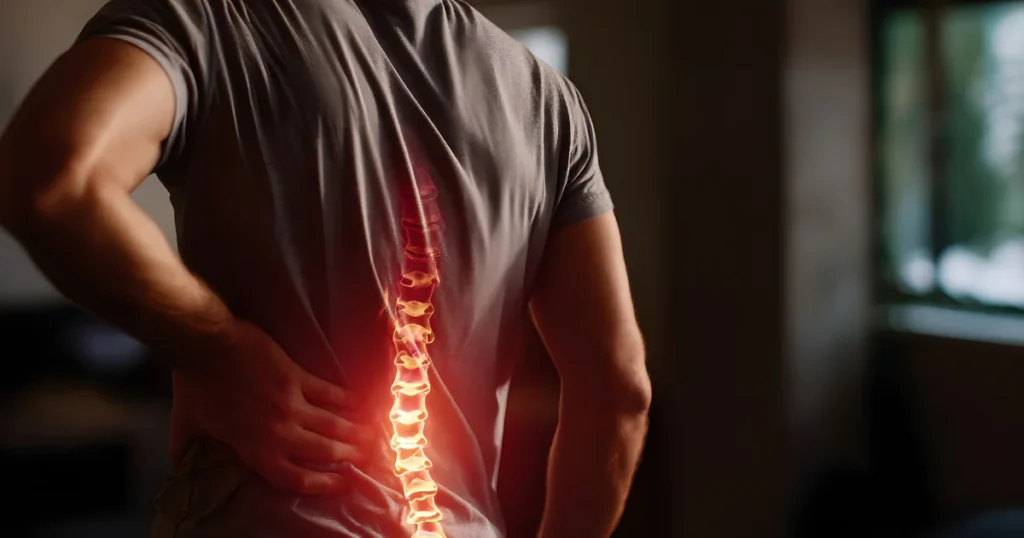
Spinal stenosis is a condition in which the spaces within the spine become narrower, potentially putting pressure on the spinal cord or the nerves that branch from it. It most commonly affects the lower back (lumbar spine) and neck (cervical spine). Some people have spinal stenosis without symptoms, while others develop pain, numbness, tingling, weakness, or difficulty walking.
Spinal stenosis usually develops gradually and becomes more common with age. Wear-and-tear changes such as arthritis, bone spurs, thickened ligaments, and herniated disks can reduce the available space around the spinal cord and nerves. Although many cases can be managed with nonsurgical treatment, severe nerve or spinal cord compression may require surgery or evaluation at our emergency room in Livingston when symptoms become urgent.
H2: What Causes Spinal Stenosis?
Spinal stenosis can develop when changes in the bones, disks, joints, or ligaments reduce the space available for the spinal cord or nerves. Aging-related changes are a common cause, but spinal stenosis can also result from injuries, conditions present from birth, or less common problems such as tumors. Common causes include:
- Osteoarthritis: Wear and tear in the spine can lead to bone growths called bone spurs that narrow the spinal canal or nerve openings.
- Herniated disks: A damaged or bulging disk can press against a spinal nerve or the spinal cord.
- Thickened ligaments: Ligaments that support the spine can become thicker and less flexible over time, reducing available space.
- Spinal injuries: Fractures, dislocations, or swelling after an injury can place pressure on the spinal cord or nerves.
- Congenital spinal narrowing: Some people are born with a narrower spinal canal and may develop symptoms earlier in life.
- Spinal deformities: Conditions that affect the shape or alignment of the spine can contribute to narrowing.
- Tumors: Rarely, a tumor inside or near the spinal canal can reduce available space.
- Other bone conditions: Certain disorders that affect bone growth can also contribute to spinal narrowing.
What Are the Symptoms of Spinal Stenosis?
Some people with spinal stenosis have no symptoms. When symptoms occur, they may develop gradually and become more noticeable over time. If persistent symptoms such as back pain require urgent evaluation, an ER for back pain may be appropriate. Possible symptoms include:
- Back or neck pain
- Pain that travels into the buttocks, legs, arms, or hands
- Numbness or tingling
- Muscle weakness
- Leg cramping or heaviness
- Difficulty standing for long periods
- Pain or weakness that worsens with walking
- Balance or coordination problems
- Difficulty with fine motor movements
- Reduced walking ability
What Does Spinal Stenosis Pain Feel Like?
Spinal stenosis pain can vary depending on the location and severity of nerve compression. Some people experience aching or pain in the lower back or neck, while others have pain that travels into the legs or arms.
Lumbar spinal stenosis commonly causes pain, cramping, heaviness, numbness, or weakness in the buttocks and legs during standing or walking. Symptoms may improve when sitting or leaning forward because these positions can reduce pressure on affected nerves.
Cervical spinal stenosis may cause neck pain along with numbness, tingling, or weakness affecting the arms, hands, legs, or feet. Some people may also develop difficulty walking or problems with balance and coordination.
Read Related: What Causes Lower Back Pain
What Are the Types of Spinal Stenosis?
Spinal stenosis is commonly categorized according to the area of the spine where narrowing occurs.
Lumbar Spinal Stenosis
Lumbar spinal stenosis affects the lower back and is one of the most common forms. It can cause lower back pain and symptoms that travel into the buttocks, thighs, calves, or feet.
A characteristic symptom is neurogenic claudication, in which standing or walking causes pain, weakness, numbness, or heaviness in the legs. Symptoms may improve after sitting or bending forward.
Cervical Spinal Stenosis
Cervical spinal stenosis affects the neck. Because the cervical spinal cord carries signals to much of the body, significant narrowing can cause symptoms in the arms, hands, legs, and feet.
People may experience numbness, weakness, difficulty with fine motor tasks, walking problems, or balance difficulties.
Thoracic Spinal Stenosis
Thoracic spinal stenosis affects the middle portion of the spine. It is less common than lumbar or cervical spinal stenosis but can still place pressure on the spinal cord or nerves and cause pain, weakness, numbness, or walking difficulties that may require evaluation at an emergency room near me.
Can Spinal Stenosis Cause Leg Pain?
Yes. Lumbar spinal stenosis commonly causes leg pain, cramping, heaviness, numbness, or weakness. These symptoms often appear or worsen after standing or walking for an extended period. A person may find that sitting down or leaning forward provides relief. Some people may need to stop walking frequently because symptoms return when they stand or walk again.
Can Spinal Stenosis Cause Numbness and Tingling?
Yes. Numbness and tingling can occur when spinal narrowing puts pressure on nerves. The location of these sensations depends on which nerves are affected. Lumbar stenosis may cause numbness or tingling in the buttocks, thighs, legs, or feet. Cervical stenosis may affect the neck, shoulders, arms, hands, legs, or feet and may also contribute to balance or coordination problems.
How Is Spinal Stenosis Diagnosed?
A healthcare professional typically evaluates spinal stenosis using your medical history, symptoms, physical examination, and imaging studies. The examination may assess strength, sensation, reflexes, balance, walking, and range of motion. Diagnostic tests may include:
- X-rays: Can show bone changes, arthritis, or other structural changes.
- MRI: Provides detailed images of the spinal cord, nerves, disks, ligaments, and other soft tissues.
- CT scan: Creates detailed images of the spine and may be used when an MRI is not appropriate.
- CT myelogram: Uses contrast material to help identify narrowing and pressure on spinal nerves or the spinal cord.
- Electromyography (EMG): May help evaluate nerve and muscle function when nerve compression is suspected.
Read Related: Middle Back Pain
How Is Spinal Stenosis Treated?
Treatment depends on the location and severity of the narrowing, the symptoms it causes, and how much it affects daily activities. Many people begin with nonsurgical treatments designed to reduce pain, improve movement, and maintain function. Treatment options may include:
- Medications: Pain relievers or anti-inflammatory medications may help manage symptoms.
- Physical therapy: Exercises can help improve strength, flexibility, endurance, balance, and spinal stability.
- Activity modification: Adjusting activities that worsen symptoms may help reduce flare-ups.
- Walking aids: A cane or walker may improve stability and may allow some people to walk more comfortably.
- Steroid injections: In selected cases, injections around irritated nerves may temporarily reduce inflammation and pain.
- Surgery: Procedures may be considered when symptoms are severe, persistent, significantly interfere with daily life, or involve significant nerve or spinal cord compression.
Can Spinal Stenosis Get Worse Over Time?
Spinal stenosis can progress gradually, although the course varies from person to person. Some people have stable symptoms, while others experience increasing pain, numbness, weakness, or difficulty walking. Age-related changes in the spine can continue to affect the amount of available space around the nerves and spinal cord. Regular medical follow-up can help monitor symptoms and determine whether treatment needs to change.
When Should You Go to the ER for Spinal Stenosis?
Most symptoms of spinal stenosis can be evaluated through routine medical care, but certain neurological symptoms require urgent or emergency evaluation. Sudden or rapidly worsening symptoms may indicate significant nerve or spinal cord compression or another serious condition. Seek emergency medical care if you develop:
- Sudden or rapidly worsening weakness in an arm or leg
- New loss of sensation or severe numbness
- New difficulty walking or maintaining balance
- Loss of bladder or bowel control
- New difficulty urinating or having a bowel movement
- Severe back or neck pain after a significant injury
- Back or neck pain accompanied by rapidly progressing neurological symptoms
Problems controlling the bladder or bowel, worsening limb weakness, and significant walking or balance difficulties can be signs of serious neurological involvement and should receive prompt medical attention. If spinal symptoms develop after a car accident, fall, or other significant trauma, emergency evaluation at Neighbors Emergency Center may also be appropriate because fractures or other injuries can cause pressure on the spinal cord or nerves.
Key Takeaways
- Spinal stenosis occurs when spaces within the spine become narrower, potentially compressing nerves or the spinal cord.
- It most commonly affects the lower back and neck.
- Symptoms may include back or neck pain, numbness, tingling, weakness, and difficulty walking.
- Aging, arthritis, herniated disks, bone spurs, injuries, and congenital narrowing can contribute to spinal stenosis.
- Treatment may include medications, physical therapy, activity changes, injections, or surgery.
- Severe nerve or spinal cord compression can cause serious neurological problems.
- Bladder or bowel control problems, sudden weakness, or severe neurological symptoms require emergency medical evaluation.
FAQs About Spinal Stenosis
What is spinal stenosis in simple terms?
Spinal stenosis means the spaces inside the spine have become narrower, which can put pressure on the spinal cord or nerves and cause pain, numbness, tingling, or weakness.
Is spinal stenosis a serious condition?
It can be serious when narrowing significantly compresses nerves or the spinal cord. Some people have spinal stenosis without symptoms, while others develop significant neurological problems.
Can spinal stenosis cause leg weakness?
Yes. Pressure on spinal nerves can cause weakness in the legs. Cervical spinal stenosis can also affect the arms, hands, legs, and feet.