
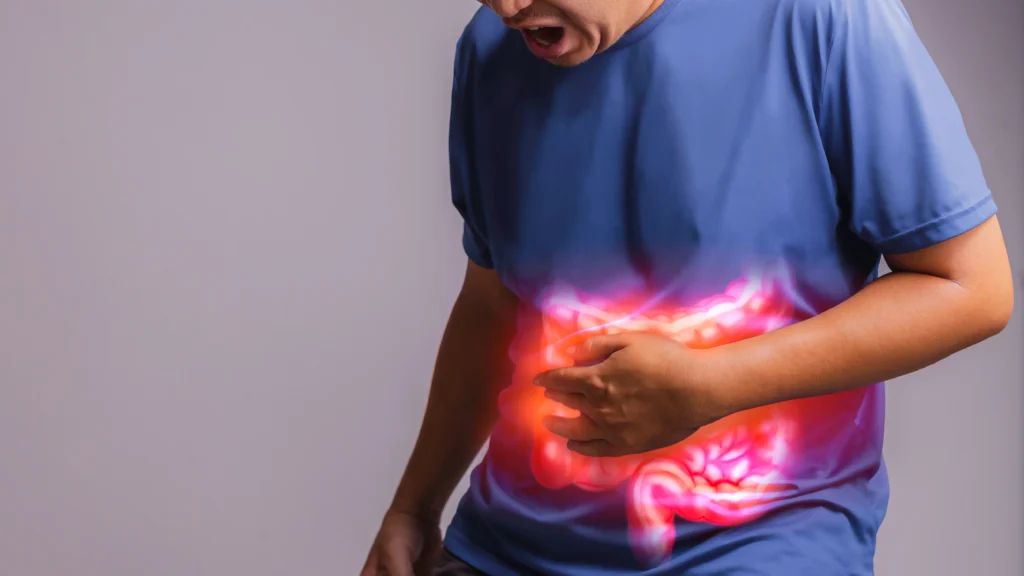
Persistent pain in the lower left belly, especially with fever or a change in bowel habits, is something many adults over 50 experience at some point. A common cause is diverticulitis. So, what is diverticulitis? It is inflammation or infection of small pouches, called diverticula, that can form in the wall of the colon.
Mild flare-ups can often be managed at home with rest and diet changes, but some cases lead to complications that need hospital care. When belly pain is severe and you are looking for an amarillo hospital alternative with short waits, Neighbors Emergency Center is open 24/7.
How Diverticula Form
As we age, weak spots in the wall of the colon can bulge outward and form small pockets. Having these pouches is called diverticulosis. It is very common, especially after age 60, and most people never have symptoms. When one or more pouches become inflamed or infected, the condition is called diverticulitis.
What Causes Diverticulitis?
Experts believe diverticulitis may happen when stool or bacteria become trapped in a pouch, or when a small tear develops in the pouch wall. Factors that raise your risk include:
- Age: risk increases after 40.
- Low-fiber diet: especially one high in red and processed meat.
- Obesity.
- Physical inactivity.
- Smoking.
- Certain medicines: such as NSAIDs, steroids, and opioids.
Symptoms Of A Diverticulitis Flare-Up
- Abdominal pain: usually in the lower left side, though it can be on the right.
- Fever and chills.
- Nausea or vomiting.
- Constipation: or sometimes diarrhea.
- Bloating and gas.
- Tenderness: when pressing on the abdomen.
The pain is often constant and can last for several days. Because belly pain has many possible causes, getting checked at an ER for stomach pain helps rule out appendicitis, kidney stones, and other urgent conditions.
How Diverticulitis Is Diagnosed
Doctors usually confirm diverticulitis with a CT scan of the abdomen, which shows inflamed pouches and any complications such as an abscess. Blood tests check for infection, and a urine test may rule out a urinary tract problem.
Once a flare-up has fully healed, your doctor may recommend a colonoscopy, usually six to eight weeks later. This helps make sure there is no other cause for your symptoms, such as colon cancer, which can sometimes look similar on imaging.
Treatment Options
Uncomplicated Diverticulitis
Mild cases are often treated at home with a short period of clear liquids, rest, and pain relief. Some patients need antibiotics, though recent research shows not every mild case requires them.
Complicated Diverticulitis
Severe cases may require a hospital stay, IV fluids, IV antibiotics, drainage of an abscess, or surgery to remove part of the colon.
What To Eat During And After A Flare-Up
Diet plays a big role in recovery and prevention. According to the NIDDK, your doctor may recommend:
- During a flare-up: clear liquids such as broth, water, and gelatin for a few days, then low-fiber foods like white rice, eggs, and cooked vegetables.
- After recovery: slowly add high-fiber foods such as fruits, vegetables, beans, and whole grains.
- Daily goal: many adults should aim for 25 to 35 grams of fiber per day.
- Hydration: drink plenty of water to help fiber work properly.
Possible Complications
- Abscess: a pocket of pus in the colon wall or abdomen.
- Perforation: a tear in the colon that can spill bacteria into the belly.
- Peritonitis: a dangerous infection of the abdominal lining.
- Fistula: an abnormal connection between the colon and nearby organs.
- Bowel blockage: caused by scarring.
When To Go To The ER
Call 911 or go to the ER right away if you have:
- Severe abdominal pain that keeps getting worse.
- Fever over 100.4 degrees Fahrenheit with belly pain.
- Persistent vomiting.
- Rectal bleeding.
- A rigid, hard abdomen.
- Inability to pass gas or stool.
After your symptoms are under control, follow up with your primary doctor, a gastroenterologist, or an abdominal pain specialist near me to prevent future flare-ups.
Key Takeaways
- Diverticulitis is inflammation of colon pouches: most common after age 40.
- Lower left belly pain is the classic sign.
- Mild cases can be treated at home: severe cases need hospital care.
- Fiber helps prevent flare-ups: once you have recovered.
- Severe pain, fever, or bleeding needs emergency care.
Frequently Asked Questions
Can Diverticulitis Go Away On Its Own?
Mild cases sometimes improve without antibiotics, but you should still be evaluated to rule out complications.
Is Diverticulitis Serious?
Most cases are mild, but complications like perforation can be life-threatening.
Can Stress Trigger Diverticulitis?
Stress is not a direct cause, but it may affect digestion and overall health.
Neighbors Emergency Center For Abdominal Pain In Amarillo
Diverticulitis can be painful and disruptive, but quick diagnosis helps prevent serious problems. Neighbors Emergency Center offers on-site CT scans and lab testing for patients across Amarillo and the Texas Panhandle.
Our amarillo emergency room is open 24/7. For life-threatening emergencies, call 911 right away.