
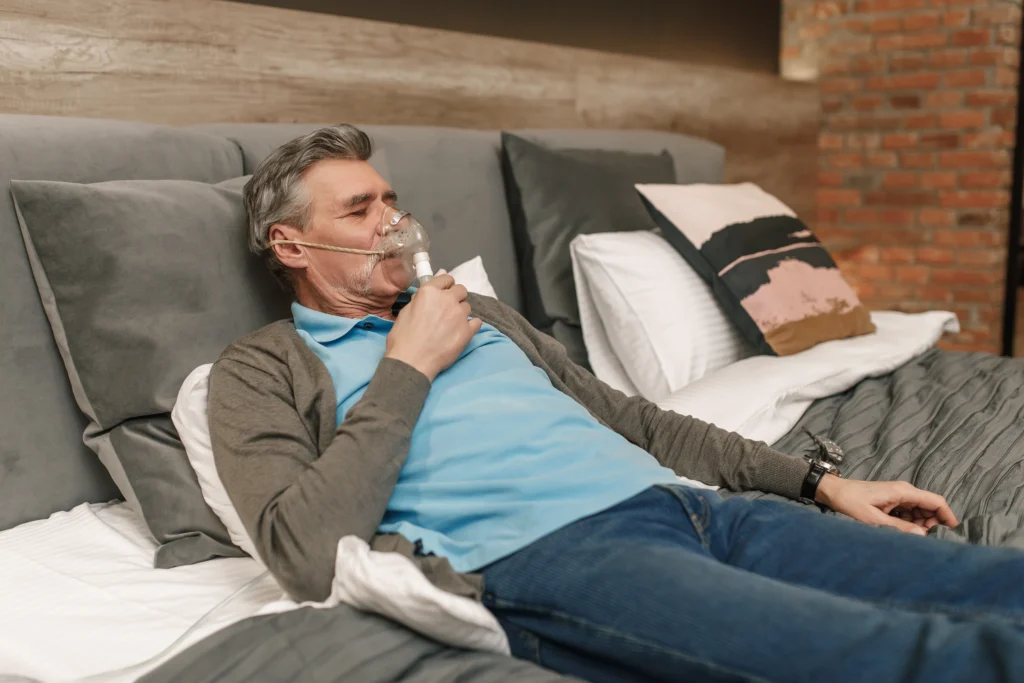
Chronic obstructive pulmonary disease, or COPD, is a long-term lung disease that slowly makes breathing harder. It includes emphysema and chronic bronchitis, and it affects millions of Americans. Because COPD changes over time, doctors use stages to describe how much lung function has been lost and how symptoms affect daily life.
Knowing your COPD stage helps you and your doctor choose the right treatment and recognize when your symptoms need urgent care. If you are struggling to breathe and need the nearest emergency room, Neighbors Emergency Center in Porter is open 24/7.
How Doctors Measure COPD Severity
COPD stages are based on a breathing test called spirometry. During the test, you blow as hard and fast as you can into a tube. The key measurement is FEV1, the amount of air you can force out in one second, compared with what is expected for someone of your age, sex, and height.
The Global Initiative for Chronic Obstructive Lung Disease (GOLD) uses FEV1 to sort airflow limitation into four grades. Doctors also look at how often you have flare-ups and how much your symptoms affect your daily life.
The Four COPD Stages
Stage 1: Mild COPD
FEV1 is 80% or more of the expected value. Many people do not notice symptoms yet, or they think a morning cough or occasional breathlessness is just a sign of aging or smoking.
- Common symptoms: a mild cough, sometimes with mucus.
- Daily life: usually little impact.
Stage 2: Moderate COPD
FEV1 is between 50% and 79%. This is the stage when most people first see a doctor because symptoms become harder to ignore.
- Common symptoms: shortness of breath with activity, a lingering cough, and more mucus.
- Daily life: climbing stairs or walking quickly becomes harder.
Stage 3: Severe COPD
FEV1 is between 30% and 49%. Breathing problems are more noticeable, and flare-ups become more frequent.
- Common symptoms: breathlessness with light activity, fatigue, and frequent chest infections.
- Daily life: everyday tasks like dressing or cooking may require rest breaks.
Stage 4: Very Severe COPD
FEV1 is below 30%. Breathing is difficult even at rest, and flare-ups can be life-threatening.
- Common symptoms: severe shortness of breath, swelling in the legs, weight loss, and possible low oxygen levels.
- Daily life: many people need oxygen therapy and help with daily activities.
Beyond The Numbers: GOLD Groups
Two people with the same FEV1 can feel very different. That is why doctors also place patients into groups based on symptoms and flare-up history. People with two or more moderate flare-ups, or any flare-up that required a hospital stay in the past year, are considered higher risk and may need stronger treatment.
Treatment Options By Stage
- All stages: quit smoking, get vaccinated, and stay active.
- Mild to moderate: short-acting rescue inhalers and long-acting bronchodilators.
- Moderate to severe: combination inhalers and pulmonary rehabilitation.
- Severe to very severe: oxygen therapy, and in some cases surgery or lung transplant evaluation.
Treatment can slow the disease and improve quality of life at every stage.
Signs Of A COPD Flare-Up
A flare-up, or exacerbation, is a sudden worsening of symptoms. Warning signs include more breathlessness than usual, more coughing, thicker or discolored mucus, wheezing, and needing your rescue inhaler more often.
When To Go To The ER
Call 911 or go to the ER right away if you have:
- Severe shortness of breath at rest.
- Trouble speaking in full sentences.
- Blue or gray lips or fingertips.
- Confusion or extreme drowsiness.
- Chest pain or a racing heartbeat.
- A rescue inhaler that is not helping.
A 24/7 emergency room can provide oxygen, nebulizer treatments, steroids, and imaging to stabilize your breathing quickly.
Key Takeaways
- COPD has four stages: based on how much air you can exhale in one second.
- Symptoms worsen over time: but treatment can slow progression.
- Flare-ups matter: frequent flare-ups raise your risk even at earlier stages.
- Quitting smoking helps at every stage.
- Severe breathing trouble is an emergency: do not wait to get care.
Frequently Asked Questions
Can COPD Be Reversed?
No. Lung damage from COPD cannot be undone, but treatment can slow the disease and ease symptoms.
How Fast Does COPD Progress?
It varies. Some people stay at the same stage for years, especially if they quit smoking and follow their treatment plan.
What Is The Life Expectancy With COPD?
It depends on your stage, overall health, and whether you smoke. Many people live for many years with good management.
Neighbors Emergency Center For COPD Care In Porter
COPD can make every breath a challenge, especially during a flare-up. Neighbors Emergency Center serves Porter, Kingwood, New Caney, and surrounding Montgomery County communities with board-certified physicians and on-site labs and imaging.
If you need the closest emergency room near me, we are open 24/7. For life-threatening emergencies, call 911 right away.