
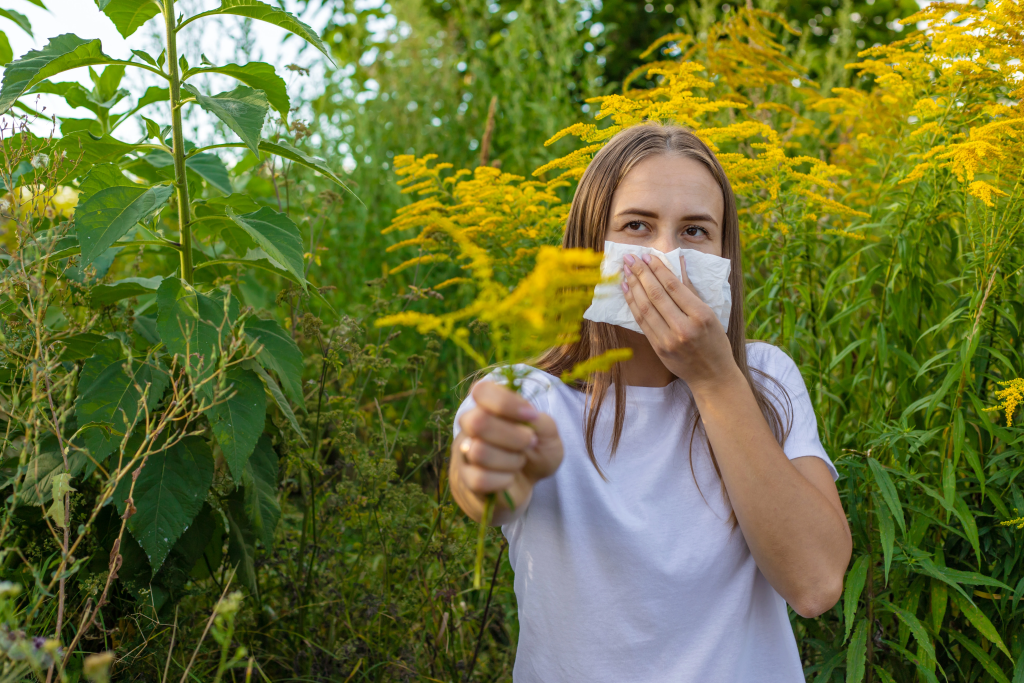
As summer winds down, many people across the Texas Panhandle start sneezing, sniffling, and rubbing itchy eyes. One of the biggest reasons is ragweed, a plant that releases enormous amounts of pollen in late summer and fall. For people with allergies, ragweed season can feel like a never-ending cold.
So, what is ragweed, and how can you find relief? Most ragweed allergies can be managed at home, but severe reactions or asthma attacks need immediate care. If you are searching for an emergency room near me, Neighbors Emergency Center in Amarillo is open 24/7.
What Is Ragweed?
Ragweed is a group of flowering weeds in the genus Ambrosia. Common ragweed, giant ragweed, and western ragweed all grow in Texas, thriving along roadsides, fields, pastures, and vacant lots. Western ragweed is especially common across the plains and prairies of the Panhandle.
Each plant can release up to one billion pollen grains in a single season. The pollen is very light and can travel hundreds of miles on the wind, which is why the open, windy landscape around Amarillo can carry high pollen counts across the entire region.
When Is Ragweed Season?
Ragweed usually begins releasing pollen in mid-August, peaks in September, and continues until the first hard frost. In Amarillo, the first freeze typically arrives in late October, which often brings relief. Warm, dry, and windy days tend to have the highest pollen counts.
Common Ragweed Allergy Symptoms
- Sneezing: often in repeated bursts.
- Runny or stuffy nose.
- Itchy, watery eyes.
- Itchy throat or ears.
- Postnasal drip and cough.
- Headaches and sinus pressure.
- Fatigue: often from poor sleep due to congestion.
According to the American College of Allergy, Asthma and Immunology, up to 23 million Americans are allergic to ragweed.
Ragweed And Asthma
For people with asthma, ragweed pollen can trigger wheezing, chest tightness, coughing, and shortness of breath. Fall is a common time for asthma flare-ups, and people with both allergies and asthma should keep their rescue inhaler close during ragweed season.
Ragweed allergies can also lead to sinus infections. When congestion lasts for weeks, mucus can become trapped in the sinuses, allowing bacteria to grow. Facial pain, thick colored mucus, and symptoms that last more than 10 days may mean you need to see a doctor.
Foods That May Cause Reactions
Some people allergic to ragweed experience an itchy mouth or throat when eating certain fresh foods. This is called oral allergy syndrome. Common triggers include bananas, cantaloupe, honeydew, watermelon, zucchini, and cucumber. Cooking these foods usually prevents the reaction.
How To Treat Ragweed Allergies
- Antihistamines: reduce sneezing, itching, and runny nose.
- Nasal steroid sprays: reduce swelling and work best when started before the season.
- Decongestants: provide short-term relief from congestion.
- Allergy eye drops: soothe itchy, watery eyes.
- Saline rinses: clear pollen from nasal passages.
- Immunotherapy: allergy shots or tablets can reduce sensitivity over time.
Tips To Reduce Your Exposure
- Check daily pollen forecasts and stay indoors when counts are high.
- Keep windows closed at home and in the car.
- Shower and change clothes after spending time outdoors.
- Use a HEPA filter and change your HVAC filter regularly.
- Wear sunglasses and a mask when doing yard work.
- Dry laundry indoors instead of outside.
When Allergies Become An Emergency
Call 911 or go to the ER right away if you have:
- Severe shortness of breath or wheezing that does not improve with your inhaler.
- Swelling of the lips, tongue, face, or throat.
- Trouble swallowing or speaking.
- Hives with dizziness, vomiting, or fainting.
- Bluish lips or fingertips.
Severe allergic reactions can be life-threatening. Our ER for allergy care team can provide epinephrine, steroids, and breathing treatments right away.
Key Takeaways
- Ragweed is a top fall allergen: with season running from August until the first frost.
- Panhandle winds spread pollen widely: even if no ragweed grows nearby.
- Start treatment early: before symptoms peak.
- Asthma can flare up: keep your rescue inhaler handy.
- Breathing trouble or swelling is an emergency.
Frequently Asked Questions
Is Ragweed The Same As Goldenrod?
No. Goldenrod blooms at the same time but has heavy pollen spread by insects. Ragweed’s wind-borne pollen is the real cause of most fall allergies.
Can Ragweed Allergies Cause A Fever?
No. Allergies do not cause fever. A fever usually means an infection.
Can You Outgrow A Ragweed Allergy?
Some people find their symptoms improve with age, but many have allergies for life. Immunotherapy can help reduce sensitivity.
Neighbors Emergency Center For Allergy Care In Amarillo
Ragweed season is a fact of life in the Panhandle, but it does not have to keep you from breathing easy. Neighbors Emergency Center provides fast, compassionate care for patients across Amarillo, Canyon, and surrounding communities.
When you need an er amarillo tx residents can count on, we are open 24/7. For life-threatening emergencies, call 911 right away.