
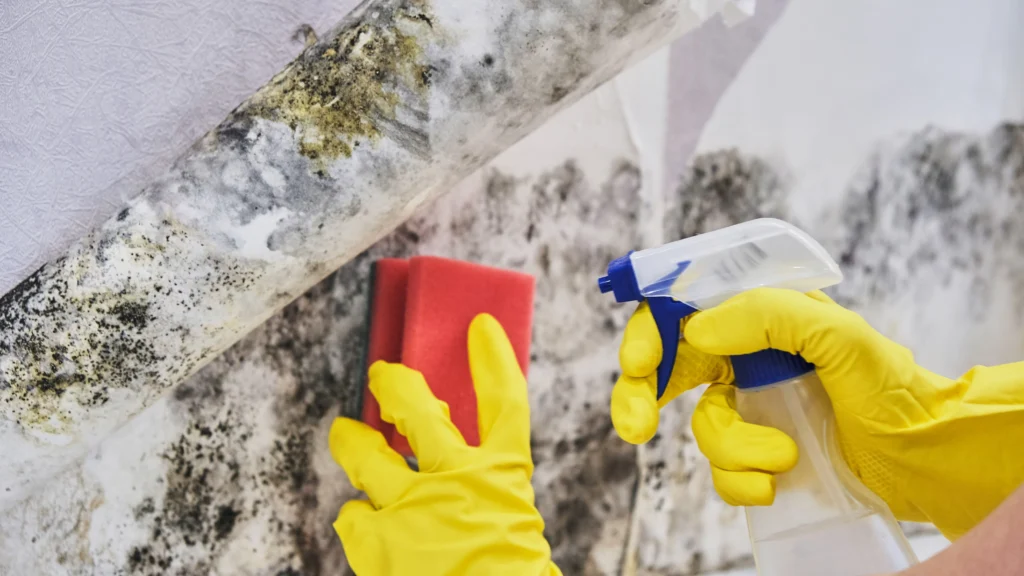
In Baytown and across the Gulf Coast, high humidity, heavy rain, and hurricane flooding create the perfect conditions for mold to grow. Black mold often shows up as dark spots on bathroom walls, around windows, under sinks, or on water-damaged drywall. Besides being unsightly, mold can trigger allergies, asthma attacks, and breathing problems.
Knowing how to get rid of black mold safely can protect your home and your health. If mold exposure has led to trouble breathing, our emergency room baytown tx residents trust is open 24/7.
What Is Black Mold?
“Black mold” usually refers to Stachybotrys chartarum, a greenish-black mold that grows on materials with high cellulose content, such as drywall, wood, and paper, after they have been wet for a long time. However, many types of mold look black, and you cannot tell which type you have just by looking at it.
According to the CDC, all molds should be treated the same way when it comes to health risks and removal. Any mold growing indoors should be cleaned up and the moisture problem fixed.
What Causes Black Mold To Grow?
- High humidity: indoor humidity above 60% encourages mold growth.
- Leaks: from roofs, pipes, windows, and appliances.
- Flooding: water-damaged homes can develop mold within 24 to 48 hours.
- Poor ventilation: especially in bathrooms, kitchens, and laundry rooms.
- Condensation: on windows, walls, and air conditioning ducts.
Health Effects Of Mold Exposure
Mold releases spores that can be breathed in. Most healthy people have mild or no symptoms, but some people are more sensitive. Common symptoms include:
- Stuffy or runny nose.
- Sneezing and itchy eyes.
- Coughing and sore throat.
- Wheezing or chest tightness.
- Skin rash or irritation.
- Headaches and fatigue.
People with asthma, allergies, weakened immune systems, or chronic lung disease such as COPD are at higher risk for serious reactions.
How To Get Rid Of Black Mold
1. Protect Yourself
Wear an N95 mask, rubber gloves, and goggles. Open windows for ventilation and keep children, pets, and people with asthma out of the area.
2. Fix The Moisture Source
Mold will keep coming back unless you stop the water. Repair leaks, dry wet areas, and run a dehumidifier.
3. Clean Hard Surfaces
Scrub mold off hard surfaces such as tile, glass, and sealed countertops with soap and water or a commercial mold cleaner. A solution of 1 cup of bleach to 1 gallon of water can also be used on non-porous surfaces.
4. Never Mix Bleach With Ammonia
Mixing bleach with ammonia or other cleaners creates toxic fumes that can cause serious lung injury.
5. Throw Away Porous Materials
Moldy drywall, ceiling tiles, carpet, and insulation usually cannot be fully cleaned and should be removed and replaced.
6. Dry Everything Completely
Use fans and dehumidifiers to dry the area fully within 24 to 48 hours.
7. Call A Professional For Large Areas
The EPA recommends professional cleanup if mold covers more than about 10 square feet, is inside your HVAC system, or follows flooding with contaminated water.
How To Prevent Mold From Coming Back
- Keep indoor humidity between 30% and 50%.
- Use exhaust fans in bathrooms and kitchens.
- Fix leaks right away.
- Clean and dry any water damage within 48 hours.
- Change air conditioner filters regularly.
- Improve airflow by keeping furniture slightly away from walls.
When Mold Exposure Becomes An Emergency
Call 911 or go to the ER right away if you or a family member has:
- Severe shortness of breath or wheezing.
- An asthma attack that does not improve with a rescue inhaler.
- Chest pain or tightness.
- Swelling of the face, lips, or throat.
- High fever and cough, especially if you have a weakened immune system.
- Trouble breathing after inhaling cleaning chemical fumes.
Severe allergic responses to mold or chemicals need fast treatment. Our ER for allergic reaction care includes breathing treatments, steroids, and epinephrine when needed.
Key Takeaways
- Humidity fuels mold: Gulf Coast homes are especially at risk.
- Fix moisture first: cleaning alone will not stop mold from returning.
- Protect yourself: wear a mask, gloves, and goggles during cleanup.
- Never mix bleach and ammonia.
- Breathing trouble is an emergency: seek care right away.
Frequently Asked Questions
Does Vinegar Kill Black Mold?
White vinegar can kill many types of mold on hard surfaces. Spray it on, let it sit for an hour, then scrub and dry.
Is Black Mold Dangerous?
Mold can cause allergies and asthma symptoms, especially in sensitive people. Long-term exposure should always be avoided.
How Do I Know If Mold Is Making Me Sick?
If your symptoms improve when you leave your home and return when you come back, mold may be the cause. See a doctor for testing.
Neighbors Emergency Center For Breathing Care In Baytown
Mold is a common problem along the Gulf Coast, but it should not put your health at risk. Neighbors Emergency Center serves Baytown, Mont Belvieu, La Porte, and surrounding communities with board-certified physicians and on-site imaging.
If you need the nearest emergency room for breathing problems, we are open 24/7. For life-threatening emergencies, call 911 right away.