
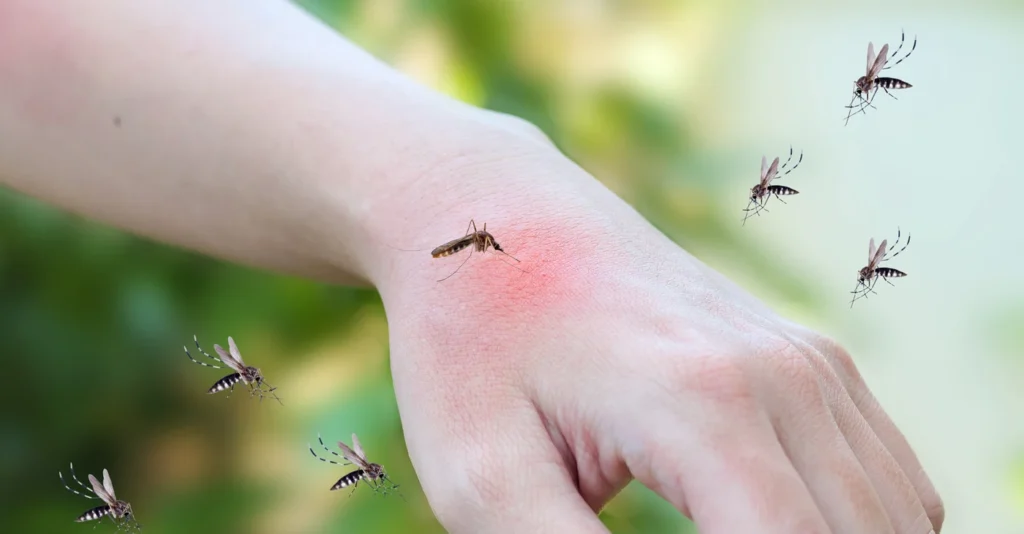
A mosquito bite is usually nothing more than an itchy nuisance, but if you’ve noticed severe swelling, intense redness, or worsening discomfort, it’s natural to wonder: Can you be allergic to mosquito bites? The answer is yes. Some people develop an allergic reaction that goes far beyond the typical small, itchy bump and may require medical evaluation.
While most mosquito bite reactions are mild, symptoms such as rapidly increasing swelling, widespread hives, difficulty breathing, dizziness, or swelling of the face and throat can signal a serious allergic reaction that needs immediate emergency care. Visit ER Pasadena for prompt evaluation when symptoms become severe or rapidly worsen.
What Is Mosquito Bite Allergy?
A mosquito bite allergy is an exaggerated immune system response to proteins in mosquito saliva rather than the bite itself. Instead of a small, itchy bump, some people develop large areas of swelling, redness, warmth, pain, or even blisters within hours of being bitten, a condition often called Skeeter syndrome.
A PubMed study on children with Skeeter syndrome found that 86.6% of patients experienced recurrent allergic reactions after mosquito bites, highlighting that mosquito bite allergy can repeatedly cause significant symptoms in susceptible individuals. –
Dangerous Symptoms of Mosquito Bite Allergy
- Large, rapidly expanding swelling around the bite that spreads beyond the surrounding area.
- Severe redness, warmth, and intense pain that continues to worsen.
- Large blisters or fluid-filled skin lesions at the bite site.
- Widespread hives or an itchy rash affecting other parts of the body.
- Swelling of the lips, tongue, eyelids, or throat.
- Difficulty breathing, wheezing, or shortness of breath.
- Dizziness, fainting, or feeling lightheaded.
- Rapid heartbeat or a sudden drop in blood pressure.
- Persistent fever or swollen lymph nodes accompanying the allergic reaction.
- Nausea, vomiting, or abdominal cramps occurring with other allergy symptoms.
- Confusion, loss of consciousness, or signs of anaphylaxis, which require emergency treatment immediately.
Proper allergy care can help manage mild reactions, but severe symptoms require immediate medical attention to prevent serious complications.
What Causes a Mosquito Bite Allergy?
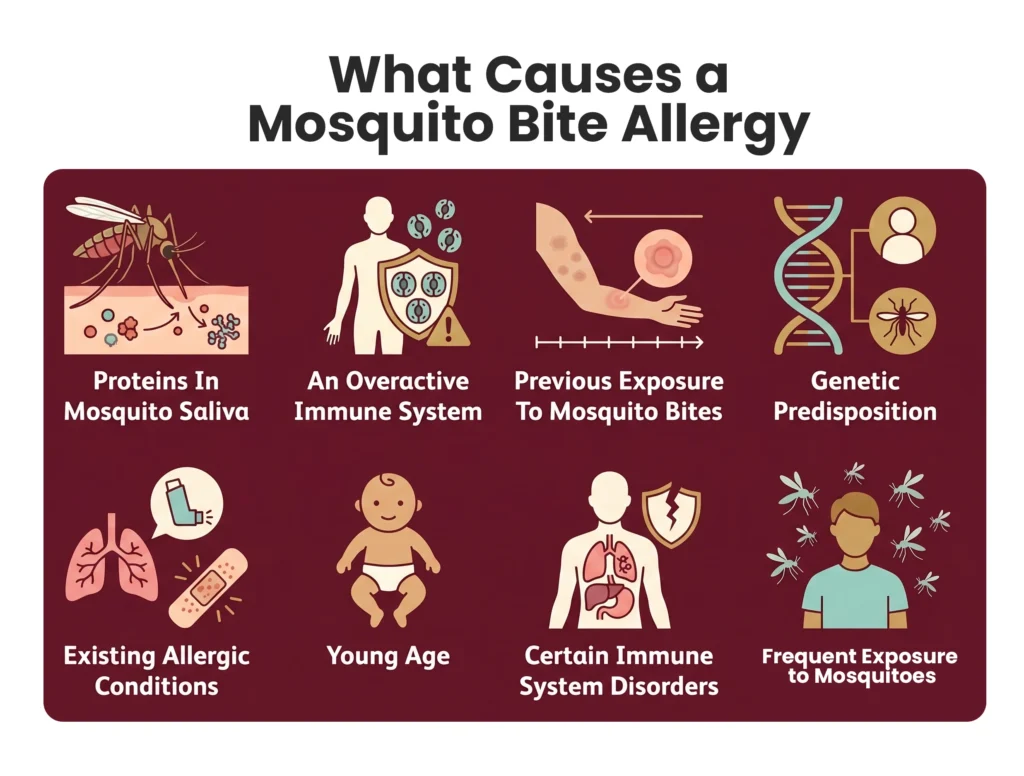
If your mosquito bites seem much worse than everyone else’s, you’re not imagining it. A mosquito bite allergy develops when your immune system overreacts to proteins in mosquito saliva, causing symptoms that are more intense than a normal bite. The severity of the reaction varies from person to person and is influenced by several biological and environmental factors.
Proteins in Mosquito Saliva
The primary trigger of a mosquito bite allergy is the proteins found in mosquito saliva. When a mosquito bites, it injects saliva into the skin to prevent blood from clotting while it feeds. In sensitive individuals, the immune system mistakenly identifies these proteins as harmful invaders and releases chemicals such as histamine. This immune response leads to redness, swelling, itching, and other allergy symptoms.
An Overactive Immune System
Some people naturally have immune systems that react more aggressively to harmless substances. When exposed to mosquito saliva, their immune cells release a larger amount of inflammatory chemicals than normal. As a result, the swelling, itching, and redness become much more severe than a typical mosquito bite. This exaggerated immune response is the foundation of mosquito bite allergy.
Previous Exposure to Mosquito Bites
Repeated exposure to mosquito bites can make the immune system more sensitive to mosquito saliva over time. After multiple bites, the body may begin recognizing saliva proteins as allergens and react more strongly during future bites. Although many people develop some tolerance, others become increasingly sensitive and experience larger local allergic reactions.
Genetic Predisposition
Genetics can influence how the immune system responds to allergens, including mosquito saliva. People with a family history of allergies may inherit immune traits that make allergic reactions more likely. While mosquito bite allergy itself is not directly inherited, genetic factors can increase the risk of developing stronger allergic responses.
Existing Allergic Conditions
People who already have allergic conditions, such as allergic rhinitis (hay fever), eczema, or food allergies, may be more prone to exaggerated reactions after mosquito bites. Their immune systems are already more reactive to allergens, making it easier for mosquito saliva to trigger inflammation. However, not everyone with allergies will develop a mosquito bite allergy.
Young Age
Children often experience larger and more noticeable reactions to mosquito bites because their immune systems are still developing and may not have built tolerance to mosquito saliva. Swelling can extend well beyond the bite site and may last for several days. In many cases, these reactions become less severe as children grow older and experience repeated exposure.
Certain Immune System Disorders
Some medical conditions that affect immune function can increase the likelihood of severe mosquito bite reactions. These disorders may cause the immune system to respond abnormally to mosquito saliva, leading to excessive inflammation or unusually large skin reactions.
Frequent Exposure to Mosquitoes
Living in or traveling to areas with large mosquito populations increases the number of bites a person receives. More frequent exposure means more opportunities for the immune system to encounter mosquito saliva, which can contribute to sensitization in susceptible individuals.
When to Go to the ER
A severe mosquito bite allergy can progress quickly and become life-threatening, especially if it triggers anaphylaxis. Do not ignore symptoms that spread beyond the bite site or affect your breathing, circulation, or level of consciousness.
- Difficulty breathing or shortness of breath.
- Wheezing or persistent coughing.
- Swelling of the lips, tongue, face, or throat.
- Trouble swallowing or speaking.
- Widespread hives or rapidly spreading rash.
- Severe dizziness or fainting.
- Rapid heartbeat or chest tightness.
- Confusion or loss of consciousness.
- Large swelling that continues to worsen rapidly.
- Signs of infection, such as pus, increasing pain, or high fever.
If you are searching for the nearest emergency room due to worsening mosquito bite allergy symptoms, seek immediate medical care to receive timely evaluation and treatment.
How to Treat Mosquito Bites Caused by an Allergic Reaction
If you’re dealing with a mosquito bite allergy, prompt treatment can help reduce discomfort and prevent the reaction from becoming more severe. Mild allergic reactions often improve with home care and over-the-counter medications, while moderate to severe symptoms may require prescription treatment or emergency medical attention.
Wash The Bite With Soap And Water
Gently clean the affected area with mild soap and cool water as soon as you notice the bite. This helps remove dirt and bacteria from the skin, reducing the risk of infection caused by scratching. Pat the area dry instead of rubbing it to avoid further irritation. Keeping the bite clean supports the healing process.
Apply a Cold Compress
Place a cold pack or a clean cloth wrapped around ice on the bite for 10 to 15 minutes at a time. Cold therapy helps reduce swelling, redness, and itching by narrowing the blood vessels and slowing inflammation. Avoid placing ice directly on the skin, as it can cause frostbite. Repeat several times a day as needed.
Use an Oral Antihistamine
Over-the-counter oral antihistamines can help relieve itching, swelling, and redness caused by the allergic reaction. These medications work by blocking histamine, the chemical responsible for many allergy symptoms. Always follow the dosing instructions on the label or use them as directed by your healthcare provider. Some antihistamines may cause drowsiness.
Apply a Topical Corticosteroid Cream
A low-strength corticosteroid cream can reduce inflammation, itching, and skin irritation at the bite site. Apply a thin layer only as directed and avoid using it on broken or infected skin unless advised by a healthcare professional. If symptoms continue to worsen despite treatment, seek medical evaluation. Prolonged use should be avoided unless prescribed.
Avoid Scratching the Bite
Although scratching may provide temporary relief, it can damage the skin and increase the risk of bacterial infection. Continuous scratching may also worsen swelling and delay healing. Keeping fingernails short and using anti-itch treatments can help reduce the urge to scratch. If the skin becomes painful or starts draining pus, seek medical care.
Elevate the Affected Limb If Swollen
If the bite is on your arm or leg and significant swelling develops, raising the limb above heart level can help reduce fluid buildup. Elevation improves circulation and may decrease discomfort. Combining elevation with a cold compress often provides additional relief. Persistent or worsening swelling should be assessed by a healthcare provider.
Take Prescription Medications If Recommended
Moderate or severe allergic reactions may require prescription medications, such as stronger corticosteroids or other anti-inflammatory treatments. These medications should only be taken under medical supervision. Follow your healthcare provider’s instructions carefully and complete the prescribed course if applicable. Never use someone else’s prescription medication.
Neighbors Emergency Center for Mosquito Bite Allergy Treatment
A mosquito bite allergy can quickly become a medical emergency if it causes severe swelling, difficulty breathing, widespread hives, or other signs of anaphylaxis. If your symptoms are worsening or you’re concerned about a serious allergic reaction, the experienced team at our 24/7 emergency room provides fast evaluation and treatment to help manage severe allergic reactions and prevent complications.
At Neighbors Emergency Center, our board-certified emergency physicians use advanced diagnostic testing and a thorough medical assessment to determine the severity of your allergic reaction and begin prompt treatment. Whether you need antihistamines, corticosteroids, IV medications, or emergency care for a life-threatening allergic reaction, we’re committed to delivering fast, compassionate care to help you recover safely.
Key Takeaways
- Yes, you can be allergic to mosquito bites, and reactions can range from large local swelling to life-threatening anaphylaxis.
- Common symptoms include severe redness, swelling, itching, hives, blisters, and, in severe cases, difficulty breathing or swelling of the face and throat.
- Treatment depends on the severity of the reaction and may include cold compresses, antihistamines, corticosteroids, or emergency medical care.
- Seek immediate emergency care if you experience trouble breathing, widespread hives, dizziness, fainting, or swelling of the lips, tongue, or throat.
- Prompt evaluation at our emergency room can help identify severe allergic reactions early and provide the treatment needed to prevent serious complications.
Frequently Asked Questions
How Long Do Mosquito Bites Last?
A typical mosquito bite usually heals within 3 to 7 days, with itching and swelling gradually improving. Allergic reactions may last longer and can require medical evaluation if symptoms become severe or continue to worsen.
Can Mosquitoes Bite Through Clothes?
Yes. Mosquitoes can bite through lightweight or tight-fitting clothing, especially if the fabric is thin. Wearing loose, long-sleeved clothing made from thicker materials offers better protection against bites.
What Does a Mosquito Bite Allergy Look Like?
A mosquito bite allergy often causes large, swollen, red, and itchy areas that extend beyond the bite itself. Some people may also develop blisters, warmth, pain, hives, or swelling of the face and eyes in more severe reactions.
How To Make Mosquito Bites Stop Itching?
Applying a cold compress and using an over-the-counter antihistamine, hydrocortisone cream, or calamine lotion can help reduce itching. Keeping the area clean and avoiding scratching can also prevent further irritation and lower the risk of infection.