
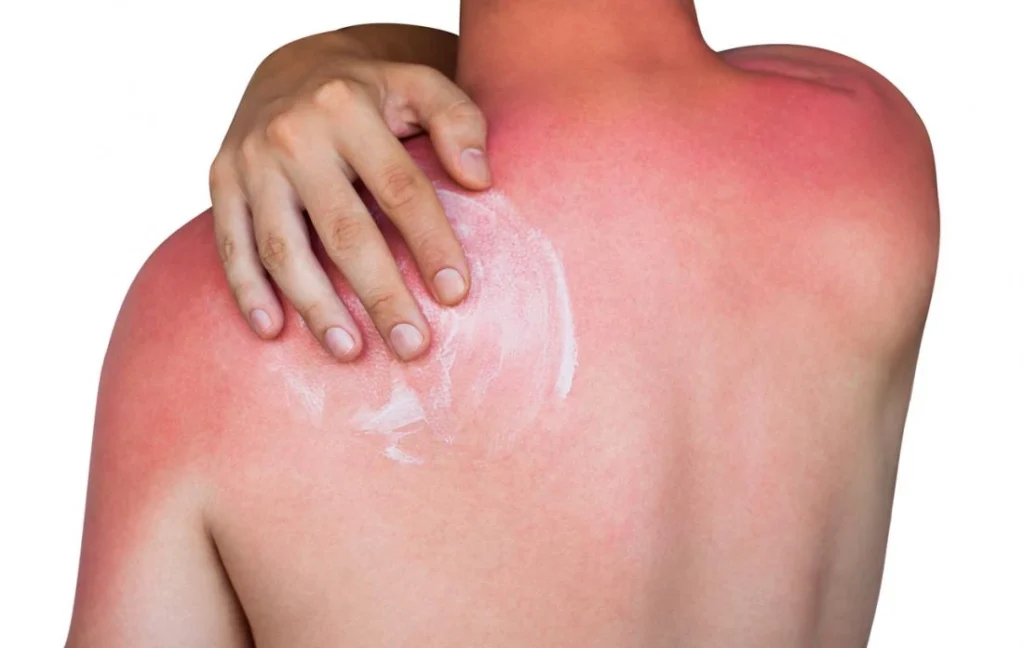
Few things can ruin a day faster than the painful sting of a sunburn. If your skin feels hot, tight, tender, or painful to touch, you’re probably searching for how to get rid of sunburn fast so you can find relief and get back to your routine. Even a mild sunburn can make simple activities like sleeping, showering, or wearing clothes uncomfortable.
While many sunburns improve with proper care, severe symptoms should never be ignored. Intense pain, widespread blistering, high fever, chills, dizziness, confusion, dehydration, or persistent vomiting may signal a serious burn or heat-related illness that requires immediate medical attention. Visit our Amarillo emergency room for prompt evaluation when symptoms become severe or worsen.
Also Read: Essential Summer Health Tips For The Whole Family
How To Get Rid Of Sunburn Fast and Reduce Pain
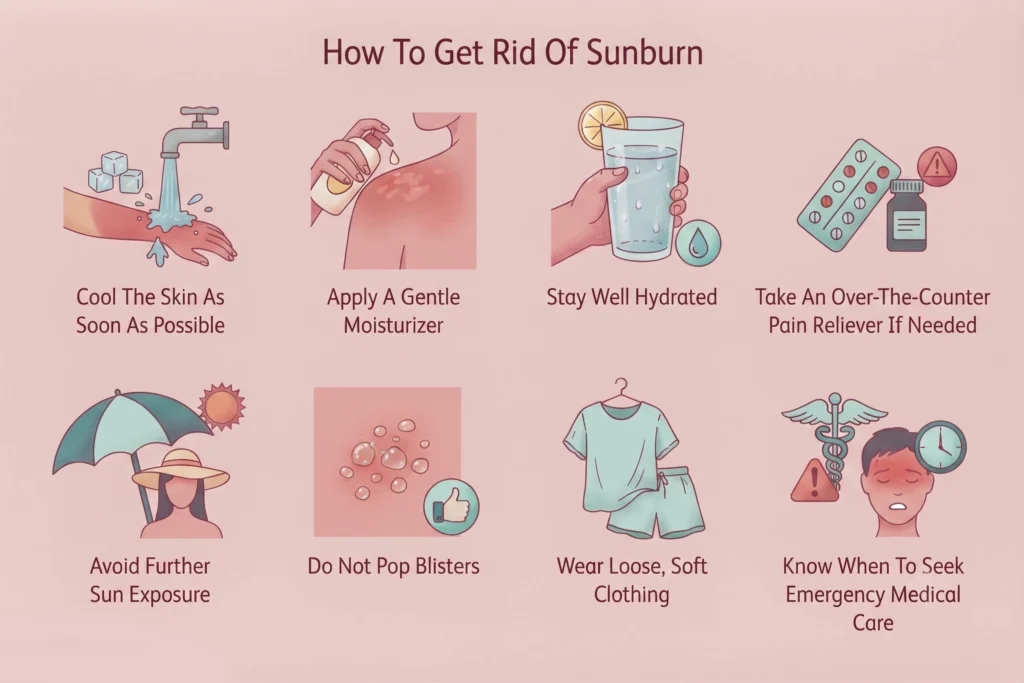
A painful sunburn can make even the simplest daily activities feel uncomfortable, especially when your skin is tender, warm, and sensitive to touch. While there is no instant cure, the right care can help ease discomfort, support the skin’s natural healing process, and reduce the risk of complications. Recovery time depends on the severity of the burn, with mild sunburns often improving within a few days and deeper burns taking longer.
Cool the Skin As Soon As Possible
Cooling the affected skin soon after a sunburn can help reduce heat buildup, relieve discomfort, and limit further skin irritation. Use cool, not ice-cold, water through a shower, bath, or damp compress for short periods. This can provide immediate relief while helping your skin return to a more comfortable temperature. Avoid placing ice directly on the burn because it can cause additional skin damage.
Apply a Gentle Moisturizer
Sunburn draws moisture away from the skin, leaving it dry, tight, and irritated. Applying a gentle, fragrance-free moisturizer while the skin is still slightly damp helps lock in moisture and supports the skin’s natural barrier. Consistent moisturizing may reduce peeling and improve overall comfort during healing. Avoid products containing alcohol or strong fragrances because they can worsen irritation.
Stay Well Hydrated
A sunburn can cause your body to lose fluids as the skin becomes inflamed. Drinking plenty of water helps replace lost fluids and supports the body’s healing process. Proper hydration may also reduce feelings of dryness and improve overall recovery. If you experience excessive thirst, dizziness, or other signs of dehydration, seek medical evaluation promptly.
Take an Over-The-Counter Pain Reliever if Needed
Pain, tenderness, and inflammation are common during the first day or two after a sunburn. If appropriate for you, an over-the-counter pain reliever may help reduce discomfort and swelling. Always follow the dosage instructions on the label and speak with a healthcare provider if you have medical conditions or take other medications. Persistent or severe pain should be medically assessed.
Avoid Further Sun Exposure
Sunburned skin is highly vulnerable to additional ultraviolet (UV) damage. Staying out of direct sunlight while your skin heals helps prevent the burn from worsening and reduces the risk of delayed recovery. If you must go outdoors, keep the affected area covered with loose, protective clothing. Giving your skin time to heal is an important part of recovery.
Do Not Pop Blisters
Blisters are a sign of a deeper sunburn and act as a natural protective barrier for the damaged skin underneath. Popping them increases the risk of infection, delayed healing, and scarring. Allow blisters to heal on their own, and keep the area clean and protected. Seek medical care if blisters are widespread or show signs of infection.
Wear Loose, Soft Clothing
Tight or rough clothing can rub against sunburned skin and increase pain and irritation. Choose lightweight, breathable, and loose-fitting fabrics that minimize friction while allowing air to circulate. This simple adjustment can make daily activities more comfortable and support the healing process. Avoid materials that trap heat or stick to damaged skin.
Know When To Seek Emergency Medical Care
Most mild sunburns heal with proper self-care, but severe symptoms require prompt medical attention. Go to the emergency room if you develop extensive blistering, severe swelling, intense pain, high fever, chills, confusion, fainting, persistent vomiting, difficulty staying hydrated, or signs of infection such as spreading redness or pus.
Sunburn Symptoms That Need Medical Care
Most sunburns can be treated at home, but some symptoms may indicate a severe burn, dehydration, or a heat-related illness that requires prompt medical attention. Seek medical care immediately if you experience any of the following:
- Extensive blistering covering a large area of the body.
- Severe or worsening pain that does not improve with self-care.
- High fever, chills, or excessive sweating.
- Dizziness, fainting, confusion, or difficulty staying awake.
- Persistent nausea or vomiting.
- Signs of dehydration, including extreme thirst, dry mouth, dark urine, or reduced urination.
- Swelling of the face, hands, or feet.
- Difficulty breathing or chest pain.
- Red streaks, pus, or increasing warmth around blisters, which may indicate an infection.
- Sunburn affects the eyes with severe pain, blurred vision, or light sensitivity.
- A sunburn accompanied by symptoms of heat exhaustion or heat stroke.
- Symptoms that continue to worsen or do not improve after several days.
Seeking urgent care for burns can help prevent complications when sunburn symptoms become severe or do not improve with home treatment.
When to Go to the ER
Most sunburns heal with rest and proper home care, but severe sunburns can lead to serious complications such as dehydration, heat exhaustion, heat stroke, or skin infections. If your symptoms are severe or rapidly worsening, do not delay emergency medical care.
- Large, painful blisters covering a significant portion of the body.
- Severe pain that is unbearable or continues to worsen.
- High fever of 103°F (39.4°C) or higher.
- Confusion, difficulty waking up, fainting, or loss of consciousness.
- Dizziness that does not improve after resting and drinking fluids.
- Persistent vomiting or inability to keep fluids down.
- Signs of severe dehydration, including very dark urine, little or no urination, rapid heartbeat, or extreme weakness.
- Difficulty breathing or chest pain.
- Symptoms of heat stroke, such as hot, dry skin, confusion, seizures, or collapse.
- Swelling of the face or severe swelling around the eyes that affects vision.
- Signs of a serious skin infection, including pus, spreading redness, severe swelling, or increasing warmth around blisters.
- Sunburn in infants, older adults, or people with weakened immune systems who develop severe symptoms.
If you’re searching for the closest emergency room near me for severe sunburn symptoms, Neighbors Emergency Center provides 24/7 emergency care with an average ER wait time of 15 minutes.
Neighbors Emergency Center for Fast Sunburn Treatment
A severe sunburn can lead to painful blistering, dehydration, heat exhaustion, or signs of infection that require immediate medical attention. If home care is not providing relief or you are searching for how to get rid of sunburn fast because your symptoms are becoming more severe, do not delay seeking emergency care. At Neighbors Emergency Center, our experienced emergency physicians are available 24/7 to evaluate and treat serious sunburn-related complications. With ER wait times of just 15 minutes, our emergency team provides fast care when you need it most.
At Neighbors Emergency Center, we provide prompt medical evaluation and personalized treatment for moderate to severe sunburns. Our board-certified emergency physicians can assess the extent of your burn, manage pain, treat dehydration with IV fluids when needed, and monitor for complications such as infection or heat-related illness. We are committed to delivering fast, compassionate emergency care to help you recover safely and comfortably.
Key Takeaways
- Most mild sunburns improve within a few days with prompt and appropriate self-care.
- Cooling the skin, staying hydrated, moisturizing regularly, and protecting the affected area from further sun exposure can help reduce discomfort and support healing.
- Avoid popping blisters because they protect damaged skin and reduce the risk of infection.
- Watch for warning signs such as widespread blistering, severe pain, high fever, confusion, persistent vomiting, or dehydration, as these require immediate medical attention.
- Seek emergency care if your sunburn is severe or accompanied by symptoms of heat exhaustion, heat stroke, or a serious skin infection.
Frequently Asked Questions
How to Treat Sunburn?
Treat a sunburn by cooling the skin with cool water, applying a fragrance-free moisturizer or aloe vera gel, staying well hydrated, and avoiding further sun exposure. Over-the-counter pain relievers may help reduce pain and inflammation. Seek medical care if you develop severe blistering, high fever, or signs of dehydration.
How Long Do Sunburns Last?
Most mild sunburns last about 3 to 5 days, while moderate sunburns with peeling may take around a week to heal. More severe sunburns with blistering can take two weeks or longer, depending on the extent of the skin damage.
How Long Does It Take For a Sunburn to Heal?
Healing time depends on the severity of the burn. Mild sunburns often heal within 3 to 5 days, moderate burns usually recover in about 7 to 10 days, and severe blistering sunburns may require several weeks and medical treatment.
What To Put On Sunburn?
A fragrance-free moisturizer, pure aloe vera gel, or a gentle moisturizing lotion can help soothe sunburned skin and reduce dryness. Avoid products containing alcohol, benzocaine, or strong fragrances because they may further irritate the skin.
Do Sunburns Turn Into A Tan?
Sometimes. A tan may develop after a mild sunburn as the skin produces more melanin in response to ultraviolet (UV) damage. However, a tan is a sign of skin injury, not healthy skin, and it does not reverse the damage caused by the sunburn.
Why Does My Sunburn Itch?
Sunburn can itch as the skin begins to heal. Inflammation, dryness, and peeling stimulate nerve endings, causing an itchy sensation. Keeping the skin moisturized and avoiding scratching can help reduce discomfort and prevent further irritation.
Can Eyes Get Sunburned?
Yes. The eyes can become sunburned, a condition known as photokeratitis, after excessive exposure to ultraviolet (UV) rays. Symptoms may include eye pain, redness, tearing, blurred vision, light sensitivity, and the feeling that something is in the eye. Seek prompt medical evaluation if these symptoms occur.