
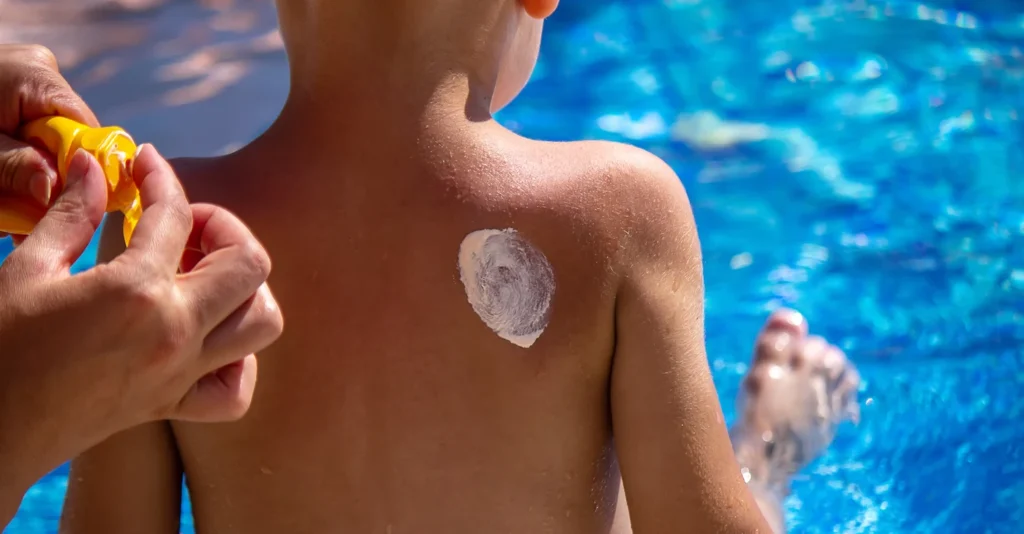
The summer sun can feel overwhelming, especially when you are trying to manage daily routines while staying active and healthy. Many people don’t realize how quickly heat exposure can impact energy levels, hydration, and overall well-being. Even a short time outdoors can sometimes leave you feeling unusually tired or uncomfortable.
As temperatures continue to rise, the risk of heat-related illnesses also increases, making it important to stay cautious and informed. Symptoms like dizziness, weakness, or signs of heat exhaustion should never be ignored or delayed. For prompt and reliable care, Visit Neighbors Emergency Centers in Amarillo emergency room, Lubbock emergency room, Baytown ER, emergency room Crosby, TX, Kingwood emergency room, ER Pasadena, Porter emergency room, Pearland ER, and ER in Livingston to receive immediate medical attention when it matters most.
Why Sun Protection Matters in Summer
Summer heat does more than cause discomfort; it directly affects how the body functions. High temperatures and UV exposure can lead to dehydration, skin damage, and dangerous heat-related conditions.
- Protects you from heat exhaustion and heatstroke.
- Reduces the risk of dehydration and fatigue.
- Prevents painful sunburn and skin damage.
- Helps maintain normal energy and hydration levels.
- Lowers the chances of medical emergencies during peak heat.
Risks of Summer Sun Exposure
Spending time in the summer sun can feel refreshing, but prolonged exposure without proper care can quietly affect your health in several ways. Many people continue their routine outdoors without realizing how quickly the body can become stressed in high temperatures.
According to a National Institutes of Health (NIH)–indexed study (PMC4535173), 37.1% of participants reported experiencing sunburn, highlighting how common UV overexposure still is despite awareness of sun safety practices.
- Heat Exhaustion: This occurs when the body loses too much water and salt through sweating, making it difficult to cool down properly. It can leave you feeling weak, dizzy, and extremely tired if not managed early.
- Dehydration: Excessive heat increases fluid loss, and if not replaced, it can disrupt normal body functions. This may lead to dry mouth, headaches, reduced energy, and difficulty concentrating.
- Sunburn: Overexposure to UV rays can damage the skin, causing redness, irritation, and painful burning sensations. Repeated sunburn can also increase long-term skin sensitivity.
- Heatstroke: This is a severe condition where the body can no longer regulate its temperature. It requires immediate medical attention as it can become life-threatening if not treated quickly.
Heat Stroke vs Heat Exhaustion
Heat exhaustion and heat stroke are both heat-related conditions caused by prolonged exposure to high temperatures, but they differ in severity and response.
- Heat Exhaustion: This is an early-stage condition caused by fluid and salt loss through sweating. It may cause heavy sweating, weakness, dizziness, nausea, and headache. The body is still able to regulate temperature, but requires rest, hydration, and cooling immediately.
- Heat Stroke: This is a severe, life-threatening condition where the body can no longer control its temperature. Symptoms may include extremely high body temperature, confusion, rapid heartbeat, or loss of consciousness. It requires immediate emergency medical attention.
Top Sun Protection Tips
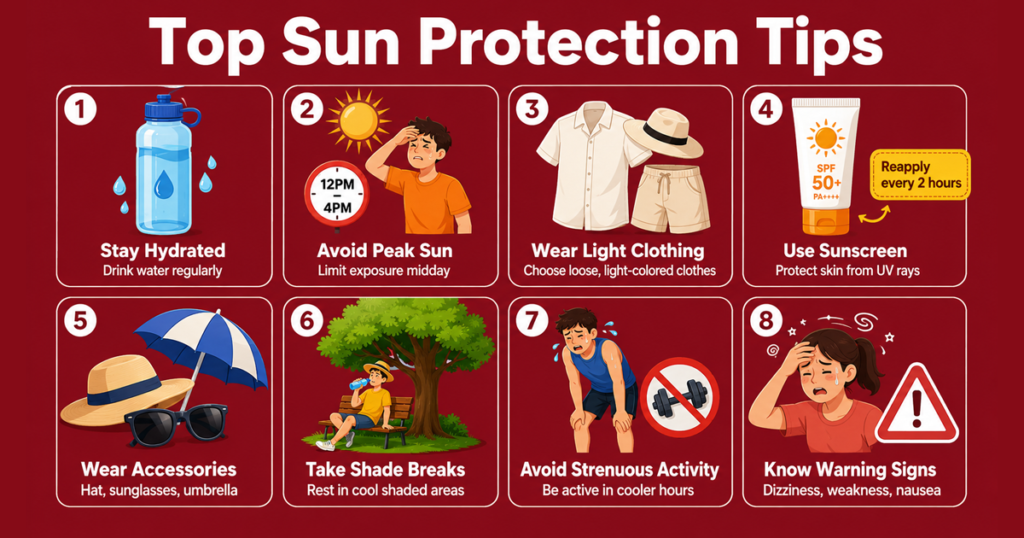
Summer heat can be harsh on the body, especially when you are spending time outdoors for work, travel, or daily activities. Many people underestimate how quickly sun exposure can lead to dehydration, fatigue, and heat-related stress. Taking the right precautions can make a big difference in keeping you safe and comfortable. Small daily habits can help protect your health during extreme temperatures.
1. Stay Hydrated
Drinking enough water throughout the day helps your body regulate temperature and prevents dehydration. In hot weather, you lose more fluids through sweating, even if you don’t feel it immediately. Regular water intake keeps your energy levels stable and supports normal body functions. Avoid waiting until you feel thirsty, as that can already be a sign of mild dehydration.
2. Avoid Direct Sun During Peak Hours
The sun is strongest between late morning and mid-afternoon, making this the most risky time for prolonged outdoor exposure. Limiting outdoor activities during these hours can significantly reduce the risk of heat-related problems. If going outside is unavoidable, try to stay in shaded areas as much as possible. This simple step can help prevent overheating and sunburn.
3. Wear Lightweight and Light-Colored Clothing
Clothing plays an important role in protecting your body from heat. Light-colored, loose-fitting fabrics reflect sunlight and allow better air circulation. This helps keep your body cooler compared to tight or dark clothing. Choosing the right outfit can make outdoor exposure much safer and more comfortable.
4. Use Sunscreen Regularly
Sunscreen helps protect your skin from harmful UV rays that can cause burns and long-term damage. Applying it properly before going outside creates a protective barrier for exposed skin. It is important to reapply it every few hours, especially if you are sweating or outdoors for long periods. Consistent use helps reduce skin irritation and long-term risks.
How Often Should You Reapply Sunscreen?
Reapply sunscreen every 2 hours, and immediately after swimming or sweating. This helps maintain consistent protection against harmful UV rays.
5. Wear Protective Accessories
Accessories like hats, sunglasses, and umbrellas provide an extra layer of protection against direct sunlight. A wide-brimmed hat helps shield your face and neck from harsh rays. Sunglasses protect your eyes from UV damage and reduce strain. These simple items can make a noticeable difference in overall sun safety.
6. Take Regular Breaks in Shade
Continuous exposure to heat can quickly strain your body and increase the risk of exhaustion. Taking short breaks in shaded or cool areas allows your body temperature to stabilize. It also helps reduce sweating and prevents excessive fluid loss. Regular rest periods are essential during outdoor activities in summer.
7. Avoid Strenuous Activity in Heat
Physical exertion in high temperatures can put extra stress on your heart and body. Activities like exercise, heavy lifting, or long walks are safer during cooler parts of the day. If you must be active, take frequent breaks and stay hydrated. Listening to your body’s signals is important to avoid overheating.
8. Know Early Warning Signs
Recognizing early symptoms of heat stress can prevent serious complications. Signs like dizziness, excessive sweating, weakness, or nausea should never be ignored. Responding quickly by resting and cooling down can stop the condition from worsening. Awareness is one of the most important parts of staying safe in summer heat.
When to Go to the ER
Heat-related illness can become serious very quickly, especially if the body is unable to cool down or symptoms continue to worsen. While mild symptoms may improve with rest and hydration, certain warning signs indicate a medical emergency. In these situations, immediate treatment is important to prevent complications and protect overall health.
- High body temperature with confusion or unusual behavior.
- Fainting or loss of consciousness.
- Severe dizziness or extreme weakness.
- Rapid heartbeat or trouble breathing.
- Persistent vomiting or inability to keep fluids down.
If your loved ones are facing these danger signs, visit us at our Amarillo emergency room, Lubbock emergency room, Baytown ER, emergency room, Crosby, TX, Kingwood emergency room, ER Pasadena, Porter emergency room, ER in Livingston, and Pearland ER for prompt medical care and support.
Summer Sun Protection Care at Neighbors Emergency Center
Summer sun safety is essential to reduce the risk of dehydration, sunburn, and heat-related illnesses such as heat exhaustion. Simple preventive steps like staying hydrated, avoiding peak sun exposure, and recognizing early symptoms can significantly reduce health risks during extreme heat.
If symptoms worsen or become severe, immediate medical care is necessary. Neighbors Emergency Center provides prompt emergency treatment for heat exhaustion, heatstroke, and other summer-related medical conditions, ensuring patients receive fast and reliable care when every minute matters.
Key Takeaways
- Summer heat can quickly lead to dehydration, sunburn, and heat-related illness.
- Heat exhaustion is an early warning sign and should be treated immediately.
- Heatstroke is a medical emergency requiring urgent care.
- Staying hydrated is the most important prevention step.
- Limiting sun exposure during peak hours reduces health risks.
- Recognizing symptoms early can prevent serious complications.
- Emergency care should not be delayed if symptoms worsen.
Frequently Asked Questions
What is heat exhaustion?
Heat exhaustion is a heat-related condition caused by excessive fluid and salt loss due to prolonged exposure to high temperatures. Symptoms include sweating, dizziness, fatigue, nausea, and headache.
How to treat sunburn?
Move out of sunlight, cool the skin with cold compresses, apply aloe vera, and stay hydrated. Seek medical care if burns are severe or blistering occurs.
How long does heatstroke last?
Heatstroke is a medical emergency requiring immediate treatment. Recovery time depends on severity and how quickly care is provided. Some symptoms may persist for days or weeks.
How To Prevent Heat Stroke?
Stay in shade, drink plenty of water, wear light clothing, and avoid peak sun hours.
How To Prevent Heat Exhaustion?
Stay hydrated, rest in cool areas, avoid overexertion, and wear breathable clothing.
How Long Does Sunburn Last?
Mild sunburn lasts 3–5 days, while severe burns may take over a week to heal.
How Long Does A Heat Stroke Last?
Heat stroke requires immediate treatment. Recovery may take several days or longer, depending on severity.
Does Sunscreen Expire?
Yes, sunscreen expires in about 2–3 years and becomes less effective over time.