
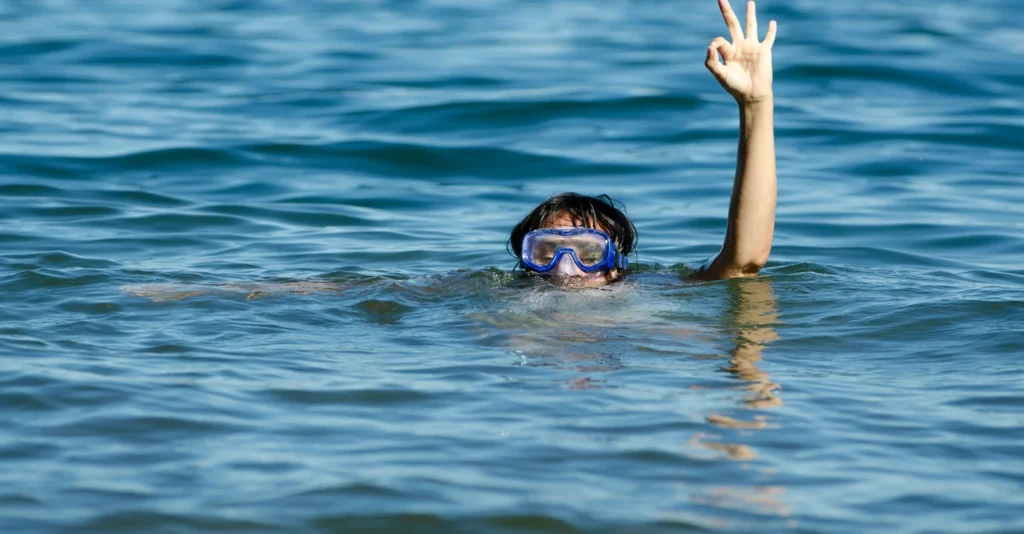
A day at the pool should be enjoyable, but water can become dangerous when safety precautions are overlooked. According to the Centers for Disease Control and Prevention (CDC), drowning is one of the leading causes of accidental injury-related deaths among children in the United States, with thousands of non-fatal drowning incidents treated in emergency departments every year. Because drowning can happen quickly and often silently, prevention is the key to keeping swimmers safe.
Understanding how to prevent drowning in a swimming pool requires more than knowing how to swim. Effective prevention involves active supervision, secure pool environments, proper safety equipment, and emergency preparedness. By following proven swimming pool safety practices, families can significantly reduce risks and enjoy the water with greater confidence. In case of a water-related emergency, visiting Neighbors Emergency Centers in Amarillo emergency room, Lubbock emergency room, Baytown ER, emergency room Crosby, TX, Kingwood emergency room, ER Pasadena, Porter emergency room, Pearland ER, and ER in Livingston can ensure fast evaluation and timely treatment when every second counts.
Why Drowning Prevention Matters
Many people associate drowning with deep water or inexperienced swimmers, but accidents can happen in just a few inches of water and can affect swimmers of any age. Children are particularly vulnerable, but teenagers and adults can also experience drowning emergencies due to fatigue, medical conditions, or unexpected accidents.
What makes drowning especially dangerous is how quickly it can occur. Unlike the dramatic scenes often shown in movies, drowning is usually silent. A person struggling in the water may not be able to call for help, making prevention and awareness essential.
Essential Drowning Prevention Strategies
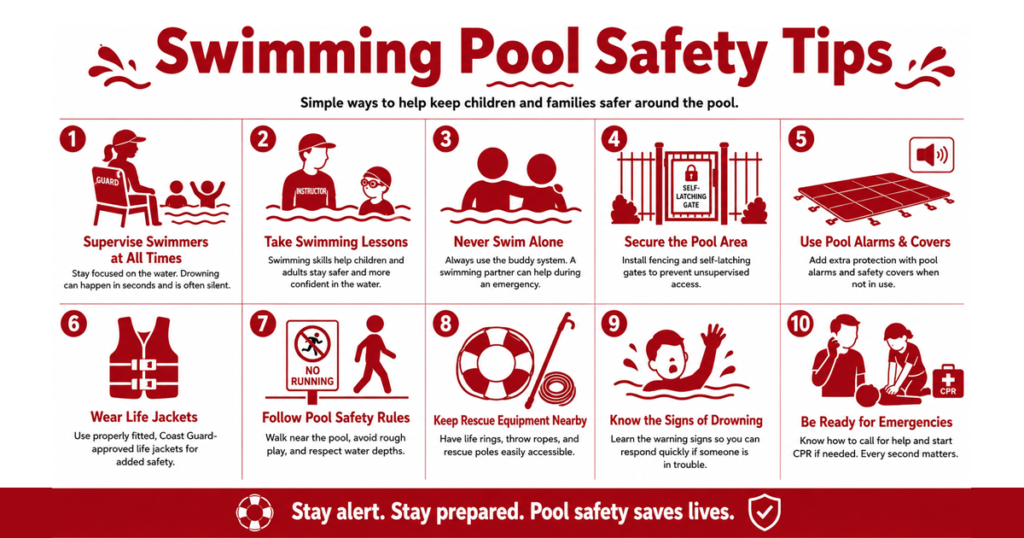
The most effective approach to water safety is creating multiple layers of protection. No single safety measure can completely eliminate risk, but combining several precautions can greatly improve swimmer safety.
Families should establish consistent pool safety practices and ensure everyone understands their role in maintaining a safe swimming environment.
Maintain Active Adult Supervision
Constant supervision is one of the most important factors in drowning prevention. Young children should always be watched closely when they are near water, even if they know how to swim or are wearing flotation devices.
Active supervision means staying focused on swimmers at all times. Avoid distractions such as texting, reading, or lengthy conversations. Designating a responsible “water watcher” can help ensure someone is always monitoring the pool area.
Enroll Family Members in Swimming Lessons
Swimming lessons teach essential water safety and survival skills that can help reduce panic during emergencies. Learning how to float, tread water, and safely reach the side of a pool can improve confidence and preparedness.
Formal swim instruction benefits both children and adults. Even experienced swimmers can strengthen their skills and learn techniques that may help them respond more effectively in difficult situations.
Always Swim With a Partner
The buddy system provides an additional layer of protection during water activities. Swimming with another person ensures that someone is available to recognize signs of distress and seek help if needed.
Whether swimming at a private pool or a public facility, having a companion nearby can make a significant difference during an emergency.
Swimming Pool Safety Rules Every Family Should Follow
Clear pool safety rules help create structure and reduce risky behavior around the water. Consistently enforcing these rules encourages safer decision-making and helps prevent avoidable accidents.
Everyone using the pool should understand and follow established safety guidelines.
Walk Instead of Running
Pool decks often become slippery from splashing water, increasing the risk of falls and injuries. Running near the pool can lead to cuts, broken bones, head injuries, or accidental falls into the water.
Encouraging children and adults to walk carefully around the pool promotes a safer environment and helps prevent unnecessary accidents.
Respect Water Depths
Before entering the water, swimmers should understand the pool’s depth and layout. Diving into shallow water can result in serious injuries to the neck, spine, and head. Paying attention to depth markers and swimming in appropriate areas helps reduce the risk of severe injuries and improves overall pool safety.
Avoid Rough Play Around Water
Pushing, dunking, and horseplay can quickly turn dangerous in a swimming environment. Even playful activities can lead to injuries or accidental submersion. Teaching children to respect pool rules and interact safely around water helps create a safer experience for everyone.
Secure the Pool Area
Preventing unsupervised access to the pool is one of the most effective ways to reduce drowning risks. Young children are naturally curious and may enter the pool area without understanding the dangers. Adding physical barriers and safety devices can help protect children and provide parents with additional peace of mind.
Install Safety Fencing
Pool fencing acts as a protective barrier that restricts access to the water when adults are not present. A properly installed fence should completely surround the pool and include self-closing, self-latching gates. Research has shown that pool fencing can significantly reduce childhood drowning incidents, making it an important safety investment for homeowners.
Use Pool Alarms and Safety Covers
Pool alarms can notify homeowners when someone enters the pool area unexpectedly. Safety covers add another layer of protection when the pool is not in use.
While these features should never replace supervision, they can strengthen an overall drowning prevention strategy and help reduce accidental access.
Keep the Pool Area Free of Hazards
Pool toys, hoses, and other items left around the deck can create tripping hazards. Additionally, toys left in the water may attract children toward the pool when no adults are present.
Keeping the pool area organized and free of unnecessary clutter contributes to a safer swimming environment.
Essential Swimming Pool Safety Equipment
Having the proper safety equipment nearby can improve emergency response times and increase the chances of a positive outcome during a water-related emergency.
Pool owners should regularly inspect equipment and ensure it is easy to access when needed.
Life Jackets and Flotation Devices
Approved life jackets provide important support for inexperienced swimmers and young children. Unlike inflatable toys, life jackets are designed specifically to help keep individuals safely afloat.
Choosing the correct size and ensuring a secure fit are essential for maximizing protection and effectiveness.
Rescue Equipment
Every swimming pool should have rescue equipment readily available in case of an emergency.
Important items include:
- Life rings
- Rescue tubes
- Throw ropes
- Reaching poles
- Shepherd’s hooks
Having these tools nearby allows bystanders to assist a person in distress while minimizing risks to themselves.
First Aid and CPR Supplies
A well-stocked first aid kit can help address injuries while waiting for professional medical assistance. Emergency supplies should be stored in an easily accessible location near the pool.
Consider including bandages, antiseptic wipes, disposable gloves, emergency contact information, and a CPR mask as part of your pool safety setup.
Recognizing the Signs of Drowning
Many drowning victims are unable to wave, shout, or call for help because their bodies are focused on breathing. As a result, the signs of drowning are often subtle and can be easily missed.
Recognizing these warning signs early can help bystanders respond quickly and potentially save a life. Watch for the following warning signs:
- Head low in the water
- Mouth at water level
- Difficulty breathing or gasping
- Glassy or vacant eyes
- Little or no leg movement
- Inability to move toward safety
- Attempting to roll onto the back
- Sudden silence after visible distress
If any of these signs are observed, immediate action is necessary.
What to Do If Someone Is Drowning
Knowing how to respond during a drowning emergency can make a significant difference. Remaining calm and acting quickly are critical steps in protecting the victim and improving outcomes.
Preparation and awareness can help reduce panic and support a more effective response.
Call Emergency Services Immediately
Emergency medical assistance should be requested as soon as a drowning incident is recognized. Quick activation of emergency responders can improve survival and recovery outcomes. If others are present, assign a specific person to call for help while rescue efforts are underway.
Use Reach or Throw Rescue Methods
Whenever possible, avoid entering the water. Instead, use a pole, towel, rope, or flotation device to assist the victim from a safe distance. These methods allow rescuers to help someone in distress without placing themselves at risk.
Begin CPR If Needed
If the individual is unresponsive and not breathing normally after being removed from the water, CPR should be started immediately if you are trained. Early CPR can help maintain oxygen circulation until emergency medical professionals arrive and take over care.
When to Go to the ER
A drowning or near-drowning incident should always be taken seriously. Even if the individual appears fine initially, complications may develop later and require immediate treatment.
Seek emergency medical care if someone experiences:
- Difficulty breathing
- Persistent coughing
- Chest pain
- Loss of consciousness
- Severe fatigue
- Confusion or unusual behavior
- Bluish skin or lips
- Seizures or unresponsiveness
Prompt evaluation can help identify complications early and improve overall outcomes. In such emergencies, visit Neighbours Emergency Centers in Amarillo emergency room, Lubbock emergency room, Baytown ER, emergency room Crosby, TX, Kingwood emergency room, ER Pasadena, Porter emergency room, Pearland ER, and ER in Livingston for urgent, professional medical care when every second matters.
Why Choose Neighbors Emergency Center
Water-related emergencies often require immediate medical attention, and timely treatment can make a critical difference. At Neighbors Emergency Center, our experienced medical professionals are equipped to evaluate and treat drowning-related complications, breathing difficulties, and other urgent conditions.
With advanced diagnostic technology, compassionate care, and 24/7 emergency services, Neighbors Emergency Center is committed to helping patients receive the prompt treatment they need when every second matters. Our team is dedicated to providing comprehensive emergency care in a comfortable, patient-focused environment.
Key Takeaways
- Active adult supervision remains the most effective way to prevent drowning.
- Swimming lessons help build confidence and teach critical water survival skills.
- Pool fencing, alarms, and safety covers provide important layers of protection.
- Every pool should have rescue equipment, life jackets, and first aid supplies readily available.
- Learning to recognize the signs of drowning can help bystanders respond more quickly.
- Seek emergency medical care immediately if someone experiences symptoms after a drowning or near-drowning incident.