
Use up and down arrow keys to resize the meta box pane.
Use up and down arrow keys to resize the meta box pane.
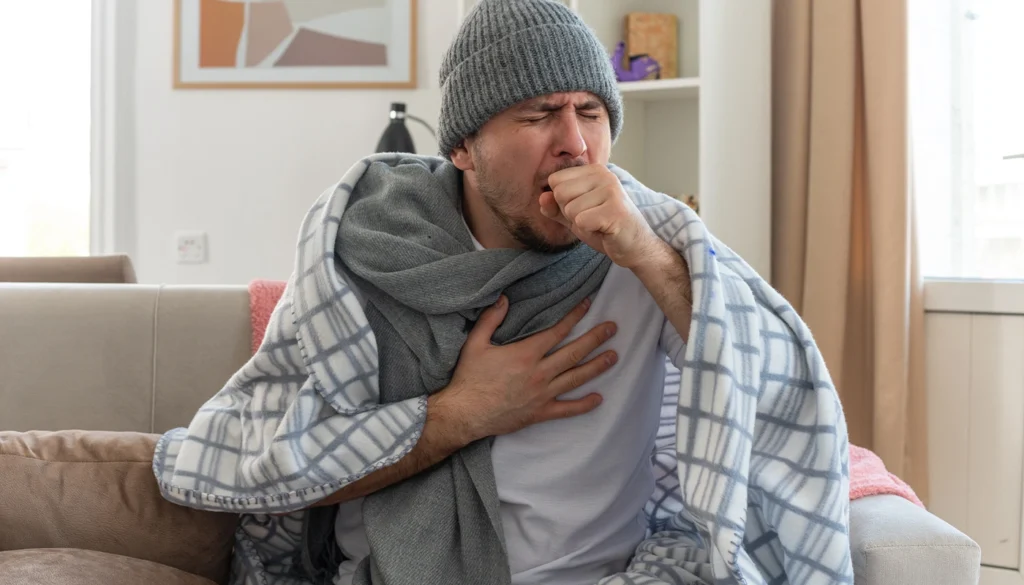
If your chest hurts every time you cough, it can be uncomfortable and understandably worrying. A forceful or frequent cough can strain the muscles and tissues in your chest, while respiratory infections can also cause inflammation that makes coughing painful.
But chest pain when coughing is not always caused by muscle strain. Conditions such as bronchitis, pneumonia, pleurisy, costochondritis, or, less commonly, a blood clot or heart problem can cause sharp, aching, or burning chest pain. If the pain is severe, sudden, or occurs with trouble breathing, coughing up blood, dizziness, or other concerning symptoms, seek urgent medical care at ER Pasadena TX.
What Does Chest Pain When Coughing Feel Like?
Chest pain when coughing can feel sharp, stabbing, aching, burning, or sore, depending on the underlying cause. Pain from strained chest muscles may worsen with repeated coughing, movement, or pressing on the area, while inflammation around the lungs can cause a sharp pain that becomes worse with deep breaths or coughing.
Pneumonia can also cause pleuritic chest pain along with cough, fever, phlegm, or shortness of breath. In one clinical review, pleuritic chest pain occurred in about 50% of immunocompetent adults with pneumonia, showing why persistent or worsening pain should not automatically be attributed to coughing alone.
Reasons Why Your Chest Hurts When You Cough
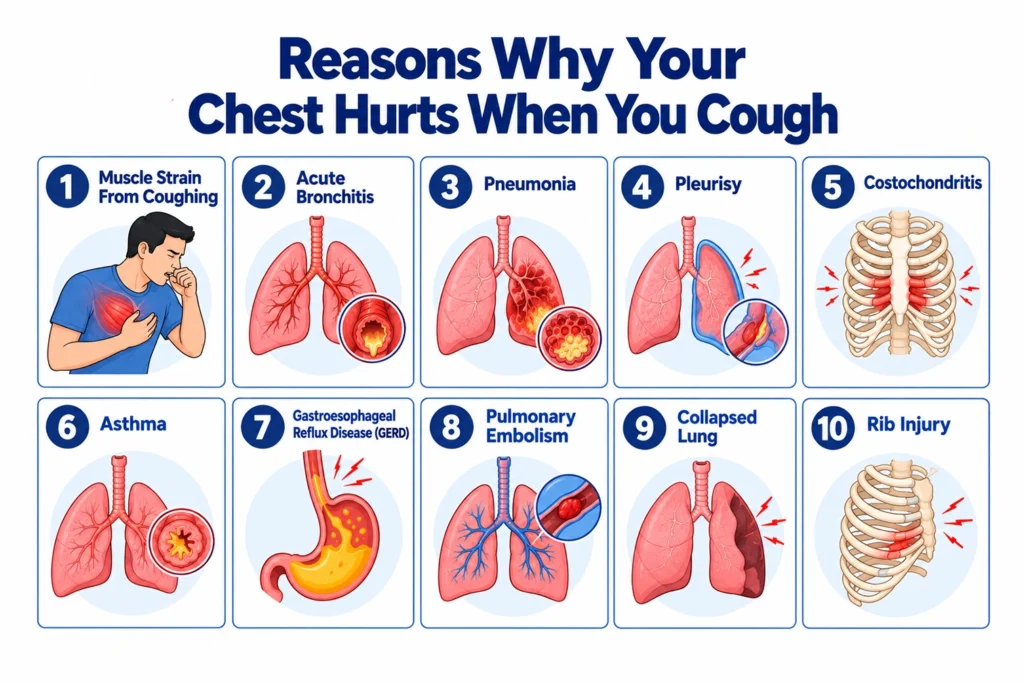
It can be unsettling when a cough suddenly causes chest pain, especially if the discomfort is sharp, tight, or difficult to ignore. Sometimes the pain develops because repeated coughing puts extra stress on the chest wall, but an underlying respiratory or other medical condition can also be responsible. The location, severity, duration, and symptoms occurring alongside the pain can provide important clues.
Muscle Strain From Coughing
Frequent or forceful coughing can repeatedly contract the muscles between and around your ribs, causing chest wall soreness or strain. The discomfort may feel aching or tender and can become worse when you cough, move your upper body, or take a deep breath. It may also hurt when you press on the affected area.
Acute Bronchitis
Acute bronchitis causes inflammation of the airways and commonly develops after a cold or flu-like illness. The persistent cough can cause chest discomfort, mucus production, fatigue, low-grade fever, or wheezing. A dry or irritating cough may continue for several weeks even after the infection improves.
Pneumonia
Use up and down arrow keys to resize the meta box pane.
Pneumonia is a lung infection that can cause chest pain that becomes worse when you cough or take a deep breath. Other symptoms may include fever, chills, phlegm-producing cough, shortness of breath, fatigue, and sometimes nausea or vomiting. More severe breathing difficulty or worsening chest pain requires prompt medical evaluation.
Pleurisy
Pleurisy occurs when the thin layers of tissue surrounding the lungs become inflamed. It typically causes sharp, localized chest pain that worsens with coughing, sneezing, or deep breathing. Viral infections and pneumonia can cause pleurisy, but blood clots, chest injuries, and other conditions can also trigger it.
Costochondritis
Costochondritis develops when the cartilage connecting the ribs to the breastbone becomes inflamed. It can cause pain or tenderness in the front or side of the chest that becomes more noticeable with coughing, deep breathing, or certain movements. Because its symptoms can resemble more serious chest conditions, new or unexplained chest pain should be assessed appropriately.
Asthma
Asthma can cause coughing, wheezing, chest tightness, and shortness of breath when the airways become inflamed and narrowed. Coughing may become particularly troublesome during an asthma flare and can leave the chest feeling sore from repeated effort. Severe breathing difficulty, difficulty speaking, or symptoms that do not improve with prescribed rescue treatment require urgent care.
Gastroesophageal Reflux Disease (GERD)
GERD occurs when stomach contents repeatedly flow back into the esophagus, causing irritation and symptoms such as heartburn or a burning sensation behind the breastbone. Reflux can also trigger a persistent cough, and repeated coughing may increase chest discomfort. Chest pain associated with GERD can sometimes resemble other types of chest pain, so persistent or unexplained symptoms should not simply be assumed to be reflux.
Also Read: Can GERD Cause Shortness of Breath?
Pulmonary Embolism
A pulmonary embolism occurs when a blood clot blocks a blood vessel in the lungs and can cause sudden chest pain that may worsen with deep breathing or coughing. Shortness of breath, rapid heartbeat, dizziness, fainting, or coughing up blood can occur as well. Because a pulmonary embolism can be life-threatening, sudden chest pain with breathing difficulty requires emergency medical attention.
Collapsed Lung
A collapsed lung, or pneumothorax, occurs when air enters the space between the lung and chest wall and causes part or all of the lung to collapse. It can produce sudden chest pain and shortness of breath, with discomfort potentially becoming more noticeable during breathing or coughing. A sudden onset of significant chest pain or breathing difficulty should be treated as an emergency.
Rib Injury
A bruised or fractured rib can make coughing extremely painful because coughing repeatedly moves the injured chest wall. Pain is often localized and may worsen with deep breathing, twisting, or pressure over the injured area. Rib injuries can occur after falls, blows to the chest, or severe and prolonged coughing.
Can Coughing Cause Chest Aches?
Yes, frequent or forceful coughing can cause chest aches by repeatedly contracting and straining the muscles between and around the ribs. The discomfort may feel sore, tight, or tender and can worsen when you cough, move, or take a deep breath. A persistent cough can also irritate the chest wall and make already inflamed tissues more painful. However, chest aches should not automatically be blamed on coughing, particularly when the pain is severe, sudden, or accompanied by breathing difficulty.
When To Go To The ER For Chest Pain When Coughing
Chest pain with coughing can sometimes result from muscle strain or a respiratory infection, but certain symptoms may signal a serious problem that needs immediate evaluation. Go to the ER or find an ER near me immediately if you experience:
- Severe, sudden, or worsening chest pain, especially if it does not improve with rest.
- Shortness of breath or difficulty breathing, particularly if it develops suddenly.
- Coughing up blood, especially more than a small streak.
- Chest pressure, squeezing, or heaviness that spreads to the arm, shoulder, back, neck, or jaw.
- Fainting, severe dizziness, confusion, or unusual weakness along with chest pain.
- A very fast or irregular heartbeat with chest discomfort or breathing problems.
- Blue, gray, or pale lips or skin, which can indicate inadequate oxygen.
- High fever with worsening cough, chest pain, or difficulty breathing, which may occur with a serious lung infection.
- Sudden sharp chest pain with shortness of breath, which can occur with conditions such as a pulmonary embolism or collapsed lung.
- Chest pain after a significant injury, particularly if breathing or coughing is difficult.
If you are unsure whether your symptoms require emergency care, do not wait for the pain to worsen. Seek prompt medical evaluation or search for the closest emergency room to me to have your symptoms assessed safely.
How To Relieve Chest Pain From Coughing
Chest pain from coughing may improve as the cough settles and irritated muscles recover. Simple home measures can ease discomfort, but treatment depends on the underlying cause. If the pain is severe, persistent, or worsening, seek medical evaluation.
- Rest: Avoid heavy lifting and movements that worsen chest pain while your muscles recover.
- Use Ice or Heat: Apply a wrapped ice pack for the first few days, then try gentle heat to relax sore muscles.
- Take OTC Pain Relievers: Most doctors recommend acetaminophen or, when appropriate, ibuprofen for pain. Follow the label and check with a doctor if you have medical conditions or take other medicines.
- Stay Hydrated: Drink plenty of fluids to help thin mucus and make coughing easier.
- Use A Humidifier: A clean cool-mist humidifier can add moisture to the air and soothe irritated airways.
- Try Honey: Honey may soothe coughing and throat irritation in adults and children over 1 year old.
- Use Cough Medicine Carefully: Most doctors recommend choosing an OTC cough medicine based on whether your cough is dry or producing mucus.
- Support Your Chest: Holding a pillow gently against the painful area while coughing may reduce discomfort. Avoid tightly wrapping your chest.
- Treat The Cause: Pneumonia, asthma, bronchitis, and other conditions may require specific treatment, including prescription medicines or inhaled treatments.
- Get Medical Care: Persistent or worsening chest pain should be evaluated, especially if it occurs with shortness of breath, fever, coughing up blood, or dizziness.
Neighbors Emergency Center For Food Poisoning Care
If you or a loved one develops severe food poisoning symptoms such as persistent vomiting, bloody diarrhea, severe abdominal pain, dehydration, or confusion, do not delay medical care. Our experienced emergency physicians are available 24/7 to evaluate serious symptoms, perform diagnostic testing when needed, and provide prompt treatment.
At our 24/7 emergency room, Neighbors Emergency Center provides compassionate emergency care for complications such as severe dehydration and uncontrolled vomiting. With an average ER wait time of 12 minutes, our team is ready to evaluate your symptoms and help you receive the appropriate care.
Key Takeaways
- Food poisoning can cause vomiting, diarrhea, abdominal pain, fever, and other digestive symptoms.
- Severe dehydration, bloody diarrhea, persistent vomiting, confusion, or severe abdominal pain can require urgent medical attention.
- Drinking fluids and replacing lost electrolytes can help prevent dehydration in mild cases.
- Seek emergency care if symptoms become severe, worsen rapidly, or prevent you from keeping fluids down.
- Neighbors Emergency Center provides 24/7 emergency care with an average ER wait time of 12 minutes.