
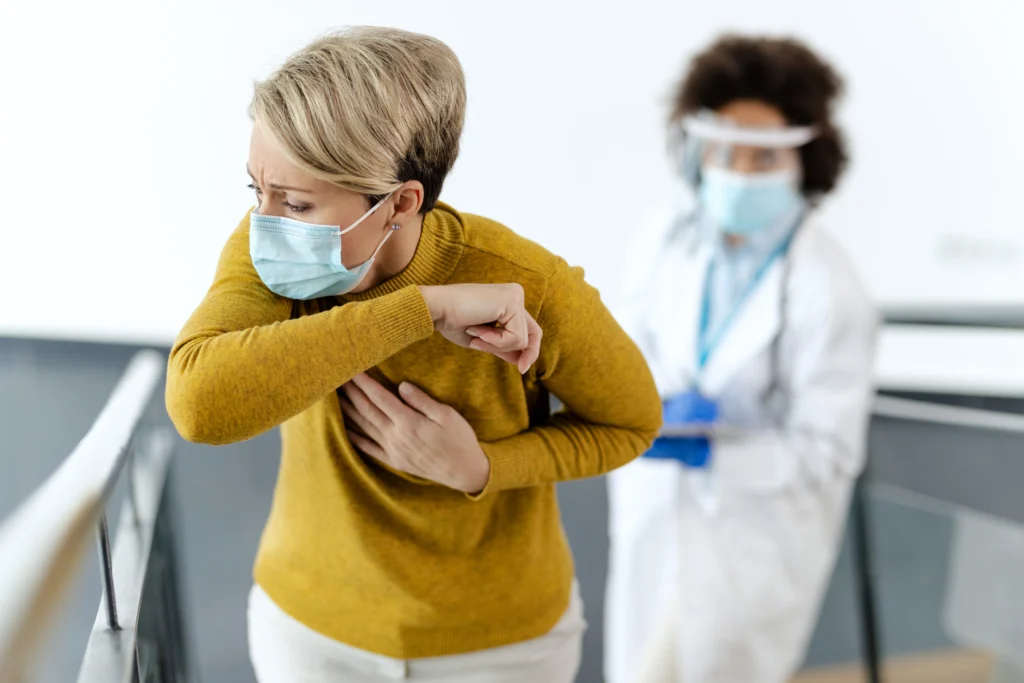
Pneumonia is a lung infection that can range from mild to life-threatening. When a family member or coworker is diagnosed, a common worry follows: is bacterial pneumonia contagious? The short answer is yes, the bacteria that cause pneumonia can spread from person to person. However, being exposed does not mean you will develop pneumonia yourself.
Understanding how bacterial pneumonia spreads can help you protect your household. If you or a loved one has trouble breathing and you are comparing amarillo hospitals for fast care, Neighbors Emergency Center is open 24/7.
What Is Bacterial Pneumonia?
Bacterial pneumonia happens when bacteria infect the air sacs in one or both lungs. The air sacs fill with fluid or pus, causing cough, fever, and trouble breathing. The most common cause is Streptococcus pneumoniae, also called pneumococcus. Other causes include Haemophilus influenzae, Staphylococcus aureus, Mycoplasma pneumoniae, and Legionella.
Is Bacterial Pneumonia Contagious?
Most types of bacterial pneumonia are contagious. The bacteria spread through:
- Respiratory droplets: when an infected person coughs, sneezes, or talks.
- Close contact: such as living in the same household.
- Contaminated surfaces: touching objects and then your mouth or nose.
One important exception is Legionella, which causes Legionnaires’ disease. It spreads through contaminated water systems, such as cooling towers or hot tubs, not from person to person.
Why Exposure Does Not Always Cause Pneumonia
Many people carry pneumonia-causing bacteria in their nose and throat without getting sick. Pneumonia usually develops when the immune system is weakened, such as after the flu or a cold, or in people with chronic health conditions. That means a healthy adult who is exposed may develop only a mild illness or nothing at all.
How Long Is Bacterial Pneumonia Contagious?
You are generally most contagious before treatment starts. Once you begin antibiotics, you usually stop being contagious after about 24 to 48 hours, especially once your fever is gone. Without treatment, you may remain contagious for much longer.
Read More: Can Bronchitis Turn into Pneumonia?
Who Is At Higher Risk?
- Adults 65 and older.
- Children younger than 2.
- People with COPD, asthma, heart disease, or diabetes.
- People with weakened immune systems.
- Smokers.
- People recovering from flu or other viral infections.
Symptoms Of Bacterial Pneumonia
- High fever and chills.
- Cough: often with yellow, green, or bloody mucus.
- Shortness of breath.
- Sharp chest pain: that worsens with breathing or coughing.
- Fatigue and weakness.
- Confusion: especially in older adults.
- Fast breathing or heart rate.
How It Is Diagnosed And Treated
Doctors diagnose pneumonia with a physical exam, a chest X-ray, and a pulse oximeter to measure oxygen. Blood tests and sputum cultures can help identify the type of bacteria. On-site lab services allow results to come back quickly so treatment can begin without delay.
Bacterial pneumonia is treated with antibiotics. Mild cases may be treated at home with oral antibiotics, rest, and fluids. Severe cases may require IV antibiotics, oxygen therapy, and a hospital stay. According to the American Lung Association, most healthy people recover within one to three weeks.
How To Avoid Spreading Pneumonia
- Finish your antibiotics: even if you feel better.
- Cover coughs and sneezes: with a tissue or your elbow.
- Wash your hands often: with soap and water.
- Wear a mask: around others while you are sick.
- Stay home: until you have been on antibiotics for at least 24 to 48 hours and are fever-free.
- Get vaccinated: pneumococcal, flu, and COVID-19 vaccines lower your risk.
When To Go To The ER
Call 911 or go to the ER right away if you have:
- Severe shortness of breath or trouble breathing.
- Bluish lips or fingertips.
- Chest pain.
- Confusion or extreme drowsiness.
- A high fever that will not come down.
- Coughing up blood.
Key Takeaways
- Most bacterial pneumonia is contagious: through coughs, sneezes, and close contact.
- Exposure does not always lead to pneumonia.
- Antibiotics reduce contagiousness: usually within 24 to 48 hours.
- Vaccines help protect you: especially if you are high risk.
- Trouble breathing is an emergency.
Frequently Asked Questions
Is Viral Pneumonia More Contagious Than Bacterial Pneumonia?
Viral pneumonia, such as from the flu or COVID-19, often spreads more easily because the viruses are highly contagious.
Can I Visit Someone With Pneumonia?
It is best to wait until they have been on antibiotics for at least 48 hours, especially if you are high risk.
Can Pneumonia Come Back?
Yes. You can get pneumonia more than once, which is why vaccination and good health habits matter.
Neighbors Emergency Center For Pneumonia Care In Amarillo
Bacterial pneumonia is treatable, especially when caught early. Neighbors Emergency Center provides chest X-rays, labs, IV antibiotics, and oxygen therapy for patients across Amarillo and the Panhandle.
If you need a hospital near me level of emergency care without the long wait, we are open 24/7. For life-threatening emergencies, call 911 right away.