

When a painful, red, and swollen throat strikes, your immediate concern might be whether you will pass the illness to those around you. Since tonsillitis generally stems from contagious bacterial or viral infections, the germs responsible can easily be transmitted to others. These pathogens can travel rapidly through sneezing, coughing, or the sharing of personal items.
Recognizing how transmission occurs and knowing the root causes can protect your loved ones. Additionally, finding ER Pasadena ensures you receive proper relief, avoid dangerous complications, and prevent the spread of infection.
What Is Tonsillitis?
The tonsils are two patches of tissue at the back of your throat that trap incoming germs. Unfortunately, this constant exposure makes them highly susceptible to severe infections. When sudden, painful inflammation occurs, finding prompt care with just a 9-minute ER wait time ensures fast relief.
Also Read: How Contagious Is Strep Throat?
Dangerous Signs Of Tonsillitis You Shouldn’t Ignore
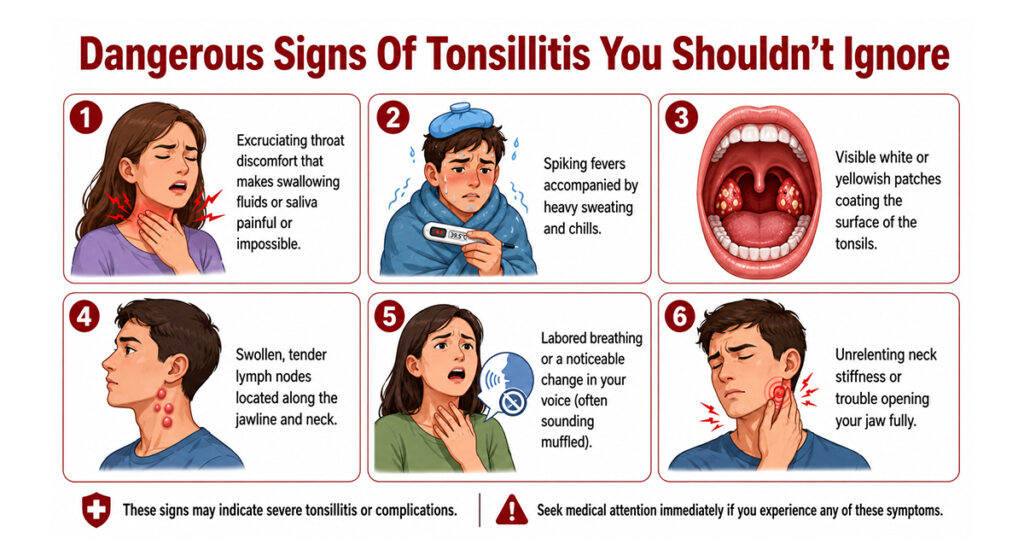
- Excruciating throat discomfort that makes swallowing fluids or saliva painful or impossible.
- Spiking fevers accompanied by heavy sweating and chills.
- Visible white or yellowish patches coating the surface of the tonsils.
- Swollen, tender lymph nodes located along the jawline and neck.
- Labored breathing or a noticeable change in your voice (often sounding muffled).
- Unrelenting neck stiffness or trouble opening your jaw fully.
Causes of Tonsillitis
Identifying the exact germ responsible for the inflammation is critical for effective treatment. The primary drivers of tonsillitis are divided into two main categories, each requiring a distinct medical strategy.
1. Viral Infections
Viruses are the leading cause of tonsil inflammation. Pathogens that cause influenza, the common cold, or mononucleosis (Epstein-Barr virus) frequently target the tonsils. A viral infection typically brings a gradual sore throat, a mild fever, coughing, and nasal congestion.
2. Bacterial Infections
Though less frequent, bacterial tonsillitis tends to bring more intense symptoms. Group A Streptococcus, the bacteria behind strep throat, is the most common culprit. Because untreated bacterial issues can lead to severe conditions like rheumatic fever, the Texas Department of State Health Services encourages prompt testing for suspected strep cases to prevent widespread complications.
How Long Is Tonsillitis Contagious?
The infectious period relies heavily on the source of your illness. If a virus is to blame, you can spread the illness a few days before symptoms emerge and remain contagious until your fever completely breaks (usually around 7 to 10 days).
For a bacterial infection, you can remain highly contagious for up to two weeks without visiting an ER near me. However, once a doctor prescribes a course of antibiotics, you typically stop being contagious within 24 to 48 hours. Many wonder is tonsillitis contagious through kissing? Absolutely. Exchanging saliva, sharing food, or drinking from the same glass drastically increases the risk of transmission.
Diagnosis of Tonsillitis
It is nearly impossible to tell the difference between viral and bacterial tonsillitis just by looking. A professional medical evaluation is necessary to ensure you receive the right care, such as avoiding antibiotics for a virus or securing them for a bacterial issue.
- Physical Examination: A healthcare provider inspects the throat for swelling, redness, and exudate (white patches) while checking for swollen glands.
- Rapid Strep Test: This involves a quick throat swab that detects strep bacteria in a matter of minutes. If you are experiencing a persistent sore throat, getting tested at a sore throat treatment near me facility ensures fast and accurate results without a long wait.
- Throat Culture: If a rapid swab returns negative but a bacterial presence is highly suspected, the sample goes to a lab for a more comprehensive analysis.
- Complete Blood Count (CBC): For severe cases, a blood test helps doctors review immune cell levels to differentiate between a viral or bacterial attack.
When to Go to The ER?
While a standard sore throat might seem minor, tonsil inflammation can quickly turn into a life-threatening crisis. Delaying medical care can lead to airway blockages or deep tissue infections like a peritonsillar abscess. Seek immediate emergency medical evaluation if you experience:
- Sudden airway restriction or the sensation that your throat is closing.
- Severe dehydration due to an absolute inability to swallow fluids.
- Intense, localized pain on just one side of the throat (a major red flag for an abscess).
- Spiking fevers that remain high despite taking over-the-counter fever-reducing medications.
- Unexplained confusion, severe lethargy, or a rigid neck.
Tonsillitis Treatment
Once the underlying cause is identified, a doctor will create a specific plan to alleviate pain, lower inflammation, and clear the infection. Adhering to these guidelines is vital for public health safety and personal recovery.
- Antibiotic Therapy: Bacterial cases require a strict regimen of antibiotics (such as amoxicillin). You must complete the entire prescription, even if your throat feels better after a few days.
- Corticosteroids: If severe swelling threatens your breathing, emergency physicians may use steroids to rapidly shrink the tonsils.
- Surgical Removal (Tonsillectomy): For patients battling chronic, recurrent infections that resist medication, surgical removal of the tonsils may be the best long-term solution.
- IV Fluids: Emergency rooms frequently administer intravenous fluids to patients who are severely dehydrated from painful swallowing.
Home Remedies and Medical Relief
Since viruses do not respond to antibiotics, treatment revolves around supportive care. Maximize your rest, drink plenty of fluids, utilize a cool-mist humidifier, and take over-the-counter anti-inflammatories like ibuprofen to soothe the throat. Remaining isolated until your fever naturally breaks is the best way to protect others from getting sick.
Tonsillitis Care At Neighbors Emergency Center
When a sore throat escalates to the point where you cannot swallow or breathe comfortably, you cannot afford to wait for a standard clinic appointment. Fast, decisive medical intervention is essential.
At Neighbors Emergency Center, our board-certified emergency physicians are standing by 24/7 to evaluate severe throat pain and airway distress. Equipped with advanced on-site labs, we provide rapid diagnostics to pinpoint exactly what is causing your symptoms. Whether your treatment requires immediate antibiotics, IV hydration, or fast-acting steroids, our dedicated team will ensure you leave feeling stabilized and on the road to recovery.
Key Takeaways
- Tonsillitis caused by bacteria or viruses is highly transmissible through respiratory droplets and saliva.
- Hallmark symptoms include a severely painful throat, spiking fevers, swollen lymph nodes, and white patches on the tonsils.
- Bacterial tonsillitis demands prescription antibiotics, whereas viral tonsillitis is managed through symptom relief.
- Patients with bacterial infections are generally no longer contagious 24 to 48 hours after beginning antibiotics.
- Go to the nearest emergency room if you cannot swallow liquids, struggle to breathe, or experience severe one-sided throat pain.
- Neighbors Emergency Centers provide 24/7 diagnostics and urgent interventions for severe tonsil-related complications.