
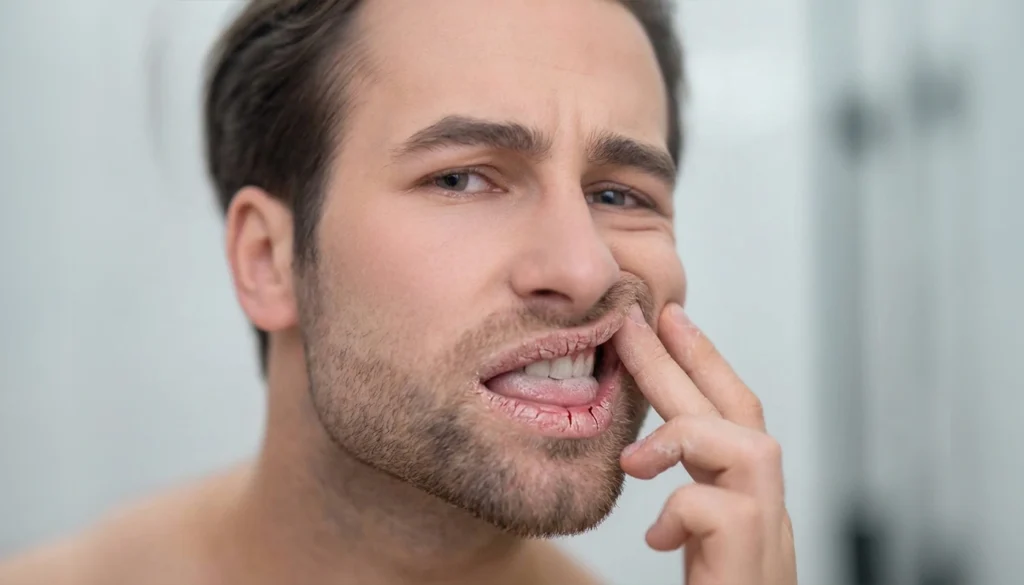
A dry, sticky mouth can feel uncomfortable, especially when it makes talking, eating, or swallowing harder. If this feeling keeps coming back, it is natural to wonder what is happening and whether it needs medical attention.
Dry mouth, also called xerostomia, can sometimes be temporary, but persistent symptoms should not be ignored. If your symptoms become severe or are accompanied by difficulty swallowing or other concerning problems, visit our Lubbock emergency room for prompt medical evaluation.
What Is Dry Mouth?
Dry mouth, medically known as xerostomia, is the uncomfortable sensation of having too little moisture in the mouth. It can occur when the salivary glands do not produce enough saliva, although a person may sometimes feel dry even without a measurable reduction in saliva production. Because saliva helps with speaking, chewing, swallowing, tasting food, and protecting teeth, persistent dry mouth can affect both comfort and oral health.
A systematic review and meta-analysis published on PubMed estimated that dry mouth affects approximately 22% of people overall.
Dry Mouth Symptoms That Require Medical Attention
Dry mouth is often manageable, but certain symptoms may signal a more serious problem or complication. Seek prompt medical or dental attention if you experience:
- Difficulty swallowing or speaking.
- Severe dryness that persists or keeps returning.
- Mouth sores that do not heal.
- Recurrent mouth or throat infections.
- White patches in the mouth, which may indicate a fungal infection.
- Significant swelling or pain in the face, neck, or salivary glands.
- Trouble breathing or severe difficulty swallowing, which requires emergency medical care.
- Signs of dehydration, such as severe weakness, confusion, or very little urination.
Persistent dry mouth can also increase the risk of tooth decay and oral infections, so ongoing symptoms should be evaluated by a healthcare professional.
Dry Mouth Causes
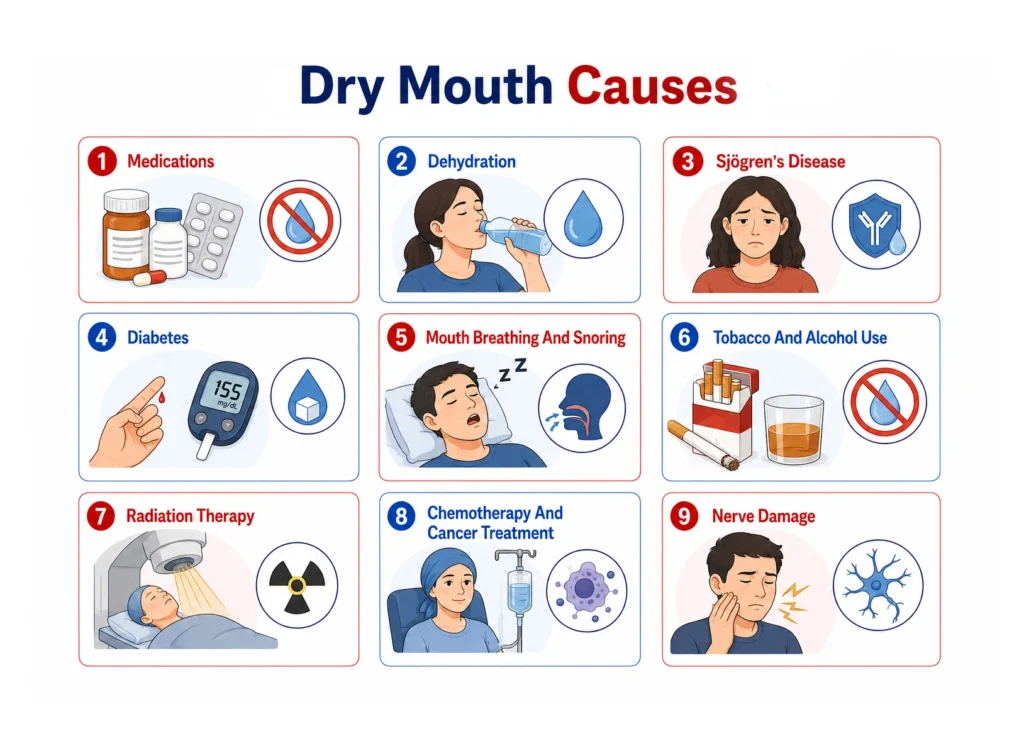
If your mouth frequently feels sticky, dry, or uncomfortable, you may be wondering why the problem keeps happening. Dry mouth can affect your ability to eat, speak, swallow, and maintain good oral health, especially when it lasts for an extended period. Because many different factors can contribute to reduced saliva or the sensation of dryness, identifying the underlying reason is important. The following are some of the most common and significant causes of dry mouth.
Medications
Medications are among the most common causes of dry mouth, and hundreds of prescription and over-the-counter drugs can reduce saliva production. Medicines used for conditions such as allergies, depression, high blood pressure, and bladder problems may contribute to this symptom. Taking multiple medications may further increase the likelihood of mouth dryness. Do not stop or change a prescribed medication without first speaking with your healthcare provider.
Dehydration
Dehydration occurs when your body loses more fluid than it takes in, and it can leave the mouth feeling noticeably dry. This may happen because of inadequate fluid intake, excessive sweating, vomiting, diarrhea, or other illnesses that cause fluid loss. Along with dry mouth, dehydration may cause thirst, weakness, dizziness, or reduced urination. Severe dehydration requires prompt medical attention.
Sjögren’s Disease
Sjögren’s disease is an autoimmune condition in which the immune system attacks glands that produce moisture, including the salivary and tear glands. As a result, dry mouth and dry eyes are among its most common symptoms. The condition can also cause fatigue, joint pain, and dryness in other areas of the body. Persistent dry mouth accompanied by ongoing dry eyes should be medically evaluated.
Diabetes
Diabetes can contribute to dry mouth and other oral health problems, particularly when blood sugar levels are not well controlled. Reduced saliva can increase the risk of mouth soreness, ulcers, infections, and tooth decay. Some people with diabetes may also develop oral thrush, which can cause painful white patches in the mouth. Ongoing dry mouth with increased thirst or frequent urination should be discussed with a healthcare professional.
Mouth Breathing And Snoring
Regularly breathing through the mouth can cause moisture to evaporate and leave the mouth dry, particularly after sleeping. Snoring and sleeping with the mouth open may contribute to morning dry mouth as well. Nasal congestion or conditions that interfere with normal breathing can make mouth breathing more likely. If snoring is severe or accompanied by pauses in breathing during sleep, medical evaluation may be necessary.
Tobacco And Alcohol Use
Tobacco use can dry and irritate the tissues in the mouth, while alcohol can also contribute to oral dryness. Regular exposure may worsen existing symptoms and increase the risk of dental and oral health problems. Alcohol-containing mouthwashes may also cause discomfort in people who already have a dry mouth. Avoiding tobacco and limiting alcohol may help protect saliva production and oral tissues.
Radiation Therapy
Radiation therapy involving the head or neck can damage the salivary glands responsible for producing saliva. The resulting dry mouth may be temporary or long-lasting, depending on the treatment and the extent of gland damage. Reduced saliva can make eating and swallowing more difficult and raise the risk of cavities and oral infections. Patients receiving head or neck radiation should discuss preventive oral care with their healthcare team.
Chemotherapy And Cancer Treatment
Some cancer treatments can affect the mouth and saliva, causing a dry or sticky feeling. Chemotherapy may make saliva thicker, which can create the sensation of dry mouth even when some saliva is still present. These changes can make eating, swallowing, and maintaining oral comfort more difficult during treatment. Persistent or severe mouth symptoms should be reported to the oncology team or another healthcare professional.
Nerve Damage
Nerves help regulate the signals that tell the salivary glands to produce saliva. An injury involving the head or neck can damage these nerves and interfere with normal saliva production. Dry mouth may develop after trauma, surgery, or other conditions affecting these nerves. A healthcare professional can help determine whether nerve damage or another underlying problem is contributing to persistent symptoms.
When to Go to the ER for Dry Mouth
Dry mouth itself does not usually require emergency care, but severe or sudden symptoms may indicate dehydration, a serious infection, an airway problem, or another underlying condition. Seek emergency medical care when dry mouth occurs with symptoms that make breathing or swallowing difficult or suggest severe dehydration.
- Trouble breathing or shortness of breath.
- An inability to swallow saliva or liquids.
- A sensation that something is blocking your throat.
- Severe swelling of the mouth, tongue, face, or neck.
- Severe dizziness, fainting, confusion, or extreme weakness.
- Very little or no urination along with other signs of severe dehydration.
- Rapidly worsening symptoms that make it difficult to breathe or swallow.
- Severe pain or swelling that may indicate a serious salivary gland infection or obstruction.
If these symptoms develop suddenly or become severe, seek immediate medical attention. For urgent symptoms, visiting the nearest emergency room can help you receive prompt evaluation and treatment.
Dry Mouth Treatment
Persistent dry mouth can make eating, speaking, and swallowing uncomfortable, but several approaches can ease symptoms and protect your oral health. Treatment depends on the cause and whether your salivary glands can still produce saliva. A healthcare professional can help choose the safest option for you.
- Stay Hydrated: Sip water regularly throughout the day to keep your mouth moist and make swallowing easier.
- Use Artificial Saliva: Over-the-counter sprays, gels, and oral moisturizers can temporarily relieve dryness. Most doctors recommend products specifically made for dry mouth.
- Chew Sugar-Free Gum: Sugar-free gum can stimulate saliva production. Gum containing xylitol may also help reduce the risk of tooth decay.
- Review Your Medications: If a medicine is causing dryness, your doctor may adjust the dose or switch treatments when appropriate. Never stop prescribed medication on your own.
- Try Prescription Medicines: Pilocarpine or cevimeline may increase saliva production in some people. Most doctors recommend these medicines only after evaluating the cause and possible side effects.
- Use A Humidifier: Running a humidifier while sleeping can add moisture to the air and may reduce nighttime mouth dryness.
- Avoid Tobacco And Alcohol: Tobacco and alcohol can worsen dryness and irritate oral tissues. Limiting or avoiding them may improve symptoms.
- Maintain Oral Hygiene: Brush with fluoride toothpaste, floss regularly, and attend dental checkups to reduce the risk of cavities and oral infections.
- Treat The Underlying Cause: Managing conditions such as diabetes, Sjögren’s disease, or nasal problems may reduce dry mouth when they are contributing to the symptoms.
Neighbors Emergency Center For Dry Mouth Care
If you develop severe dry mouth with difficulty swallowing, trouble breathing, severe dehydration, facial or neck swelling, or other concerning symptoms, do not wait to seek medical attention. Our experienced emergency physicians are available 24/7 to evaluate urgent symptoms, identify serious underlying problems, and provide prompt treatment.
Whether you need urgent care for severe dehydration, difficulty swallowing, a serious infection, or another concerning condition associated with dry mouth, our 24/7 emergency room, Neighbors Emergency Center, is here to provide compassionate and timely emergency care.
Key Takeaways
- Dry mouth, or xerostomia, occurs when the mouth does not have enough saliva or feels unusually dry.
- Medications, dehydration, diabetes, mouth breathing, and certain medical treatments are common causes.
- Persistent dry mouth can increase the risk of tooth decay, mouth sores, and oral infections.
- Hydration, sugar-free gum, artificial saliva, and good oral hygiene may help relieve symptoms.
- Seek emergency care if dry mouth occurs with trouble breathing, inability to swallow, severe swelling, confusion, or signs of severe dehydration.